

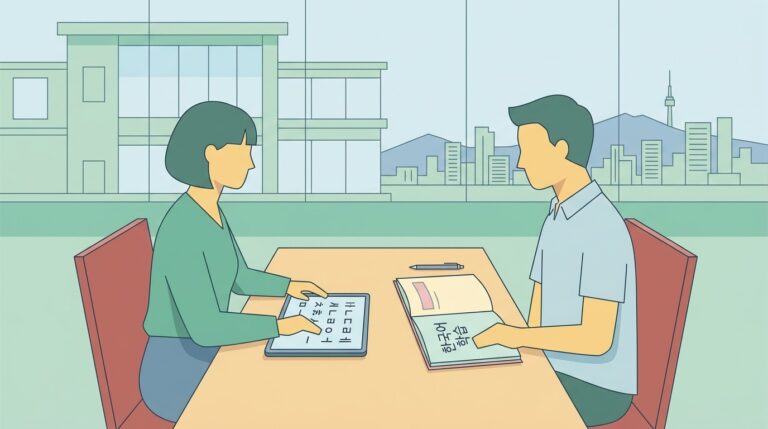
When K-Gadgets Go Wrong: Master Korean Recall Phrases and Stand Your Ground Like a Pro
Phase 1: Empathy (Story-Driven Opening)
안녕하세요! 매일한글 에디터입니다. (Hello! This is your Daily Hangul editor.)
Picture this: you recently treated yourself to that gorgeous, minimalist induction cooktop or viral smart hair styling tool you saw everywhere across your favorite K-Dramas like Queen of Tears. It looked immaculate on your countertop, perfectly embodying the sleek aesthetic of modern Seoul living. But three weeks in, you catch a late-night headline flashing across Korean portals: a safety hazard alert warning that specific manufacturing batches have battery overheating or power leakage risks, prompting an emergency recall.
Suddenly, your heart sinks. You stare at your beloved device, your mind racing. You check the warranty card, but your eyes glaze over terms like “안전성 결함” (safety defects) and “자발적 리콜 공고” (voluntary recall notice). Calling customer service feels terrifying. You wonder: If I sound too polite, will they brush me off as an inexperienced foreigner? But if I sound angry, will I violate Korean social etiquette and hit a brick wall of corporate bureaucracy?
This is a classic dilemma that advanced foreign residents face. While introductory Korean classes teach you how to ask for a refund on a shirt that does not fit at Dongdaemun, they rarely prepare you for navigating institutional consumer rights disputes at a C1 level. Knowing how to articulate technical defects, demand official recall remedies, and mention regulatory authorities like the Korea Consumer Agency gives you immediate credibility. Today, drawing from actual expat cases and consumer protection disputes in Korea, we will unpack the exact vocabulary, diplomatic cadence, and non-verbal nuances you need to protect your safety and wallet with absolute poise.
Phase 2: 3 Core Expressions In-Depth
1. 결함으로 인한 자발적 리콜 대상인지 확인하고 싶습니다.
- Pronunciation: [Gyeol-ham-eu-ro in-han ja-bal-jeok ri-kol dae-sang-in-ji hwa-gin-ha-go sip-seum-ni-da] (Sound clue: “Gyeol-ham” sounds like “Gyul” as in tangerine, followed by a soft “hum”. Think of “rikol” as the familiar English word “recall” pronounced with crisp Korean flat vowels.)
- Meaning: Literal: “I would like to confirm whether this is subject to a voluntary recall due to a defect.” / Real Nuance: “I am aware of the official safety recall bulletin, and I am calling to verify if my specific serial number is affected without causing an unnecessary scene.”
- K-Culture Moment: Seen frequently in consumer advocacy shows like Consumer Report or high-stakes corporate dramas like Agency, where a firm attempts a low-key “voluntary recall” (자발적 리콜) before the government forces a public investigation.
- Editor’s Insight: Notice the phrasing “자발적 리콜” (voluntary recall). By using the company’s own official terminology, you signal that you are well-informed and rational. Korean customer support representatives (상담원) immediately switch from canned scripts to professional protocol when a consumer uses precise legal classification.
- Situation Spectrum: Casual: 🚫 | Semi-formal: ⚠️ | Formal: ✅
- 🤔 Think About It: In many Western cultures, consumer complaints often start with personal dissatisfaction (“This product almost burned my hand!”). In Korea, why does grounding your request in collective regulatory standards (“자발적 리콜 대상”) yield much faster, more respectful institutional support?
2. 안전성 기준 미달로 인한 교환 및 환불 조치를 요구합니다.
- Pronunciation: [An-jeon-seong gi-jun mi-dal-lo in-han gyo-hwan mit hwan-bul jo-chi-reul yo-gu-ham-ni-da] (Sound clue: “An-jeon” sounds like “On-zone” without the ‘w’. “Mi-dal” rhymes with musical “mi” and English “dalliance”.)
- Meaning: Literal: “I demand replacement and refund measures due to sub-standard safety levels.” / Real Nuance: “This is not a matter of personal change-of-mind; the product violates fundamental safety regulations, so standard warranty limitations do not apply.”
- K-Culture Moment: The signature line delivered by righteous lawyers in legal investigative dramas right before slapping a certified document onto the boardroom table.
- Editor’s Insight: The word “미달” (falling short of criteria) carries serious legal weight in Korean administrative contexts. It shifts the burden from your subjective usage to the manufacturer’s failure to meet statutory standards, making it impossible for representatives to claim “user negligence” (사용자 과실).
- Situation Spectrum: Casual: 🚫 | Semi-formal: ⚠️ | Formal: ✅
- 🤔 Think About It: Contrast the word “요구합니다” (I demand/request firmly) with “부탁드립니다” (I politely ask of you). How does choosing “요구” over “부탁” change your social standing during a consumer dispute in Korea?
3. 원만한 합의가 어려울 경우, 한국소비자원에 피해구제를 신청하겠습니다.
- Pronunciation: [Won-man-han ha-bui-ga eo-ryeo-ul gyeong-u, Han-guk-so-bi-ja-won-e pi-hae-gu-je-reul sin-cheong-ha-get-seum-ni-da] (Sound clue: “Won-man” sounds like “one-man”. “Pi-hae-gu-je” rhythmically sounds like “pee-heh-goo-jeh”.)
- Meaning: Literal: “If an amicable agreement is difficult, I will submit a request for dispute resolution to the Korea Consumer Agency.” / Real Nuance: “I am giving you an opportunity to resolve this internally before I escalate this matter to the government regulatory board.”
- K-Culture Moment: The dramatic turning point when an underdog protagonist confronts a stubborn corporate department manager who thought they could sweep an incident under the rug.
- Editor’s Insight: Mentioning “한국소비자원” (Korea Consumer Agency / KCA) is the ultimate diplomatic nuclear card in Korean consumer relations. It is not an emotional threat; it is a stated procedural step. When spoken calmly, it indicates you understand the national dispute mediation mechanism (피해구제).
- Situation Spectrum: Casual: 🚫 | Semi-formal: 🚫 | Formal: ✅
- 🤔 Think About It: In some cultures, threatening legal action immediately involves personal private attorneys. In South Korea, state-run quasi-judicial boards like the KCA handle consumer mediation. What does this reveal about the role of the government in mediating corporate-civilian conflicts in Korea?
Phase 3: Textbook Korean vs. Real Korean
Situation 1: Clarifying whether the product return fee is waived during a safety recall
- 📖 Textbook Korean: 기계가 고장 나서 리콜을 하니까 택배비를 내지 않아도 됩니까? (Gigye-ga gojang naseo rikol-eul hanikka taekbaebi-reul naeji anado doemnikka? / “Because the machine is broken and under recall, do I not have to pay shipping?”)
- 🗣️ Real Korean: 안전 결함에 따른 리콜 조치인 만큼, 회수 및 반품 배송비는 전액 사측 부담 맞으시죠? (Anjeon gyeolham-e ttareun rikol jo-chi-in mankeum, hoesu mit banpum baesongbi-neun jeon-aek sa-cheuk budam majeosijyo? / “As this recall is prompted by a safety defect, retrieval and return shipping costs are covered entirely by the company, correct?”)
- 💡 Why the Difference?: Textbook phrasing sounds childlike and insecure. At a C1 level, using “사측 부담” (company burden) and phrasing it as a polite confirmation (“맞으시죠?”) presumes compliance with national consumer protection ordinances instead of asking for special permission.
Situation 2: Informing the brand that the product caused secondary physical or property damage
- 📖 Textbook Korean: 제품 때문에 다쳤으니까 치료비를 빨리 물어내세요. (Jepum ttaemune dacheosseunikka chiryobi-reul ppalli mureonaeseyo? / “I got hurt because of your product, so pay my medical expenses quickly.”)
- 🗣️ Real Korean: 기기 결함으로 인한 2차 피해가 발생했으니, 진단서 및 증빙 자료를 토대로 정식 보상 접수 절차를 밟겠습니다. (Gigi gyeolham-euro inhan icha pihae-ga balsaenghaesseuni, jindanseo mit jeungbing jaryo-reul todaero jeongsik bosang jeopsu jeolcha-reul balpgetseumnida. / “Since secondary damage occurred due to an equipment defect, I will initiate official compensation filing procedures based on medical records and evidentiary documentation.”)
- 💡 Why the Difference?: Demanding compensation emotionally (“물어내세요”) makes you sound like an angry caller to be pacified by an escalation manager. Using “2차 피해” (secondary collateral damage) and “정식 보상 절차” (formal indemnity procedure) activates formal corporate insurance and product liability protocols.
Phase 4: K-Culture Deep Dive & Non-Verbal Manners
4-1. 눈치 (Nunchi) & Non-Verbal Manners: The Art of “정중한 단호함” (Courteous Firmness)
Navigating consumer disputes in South Korea is a delicate balance of posture and intonation. Many foreigners make the mistake of raising their voice or displaying theatrical frustration. In Korea, open anger can be classified as “갑질” (abusive entitlement) or “업무방해” (obstruction of business), giving the counterparty an excuse to disengage or record you as a disruptive client.
Instead, master 정중한 단호함 (polite firmness):
* Vocal Demeanor: Lower your pitch slightly, slow down your tempo, and deliver honorific endings (하십시오, -ㅂ니다) with measured cadence. Emotional stability projects authority.
* Physical Posture: When visiting a service center (AS센터) in person, keep both hands visible on the desk. When handing over the defective device, warranty card, or purchase receipts, present them using both hands (두 손으로 건네기). This subtle display of traditional courtesy disarms defensive frontline staff and isolates the real issue: the defective product, not your personality.
* The Recording Culture (녹취): In South Korea, it is legally permissible to record a telephone or in-person conversation without the other party’s consent provided that you are a direct participant in the dialogue. Customer service desks know this well. If a resolution stalls, stating calmly: “정확한 확인을 위해 통화 내용을 기록 및 녹취하겠습니다” (I will record this call for accurate verification) signals that you are building an objective dossier for regulatory submission.
4-2. Cultural Code: The Evolution of “소비자 주권” (Consumer Sovereignty) in Korea
Historically, South Korea’s rapid post-war industrialization favored massive conglomerates (재벌, Chaebols), with consumers occasionally being expected to accept minor shortcomings for the sake of economic advancement. However, modern South Korea boasts one of the most empowered, hyper-connected, and vocal consumer ecosystems in the world.
From the notorious 2011 humidifier disinfectant scandal to major smartphone battery recalls, Koreans have developed zero tolerance for corporate concealment. Online communities such as Clien (클리앙) and BobaeDream (보배드림) operate as real-time consumer watchdogs. When an expat utilizes formal consumer terminology, Korean customer service departments recognize that this individual is not an uninformed outsider, but an active participant in Korean consumer sovereignty who knows how to hold brands accountable under the Consumer Basic Act (소비자기본법).
Phase 5: Real-Life Roleplay Scenario
Setting: The bustling CS Customer Center of “Hanguk Electronics” in Gangnam, Seoul. Sleek glass partitions, quiet ambient mechanical hums, and the soft chime of waiting queue numbers.
Characters:
* Alex (알렉스): An observant foreign professional residing in Seoul who purchased an air fryer that was just issued a voluntary fire-hazard recall.
* Representative Kim (김 대리): A polished, rule-bound frontline service manager wearing a company badge and headset.
- Turn 1 (Alex):
안녕하세요. 며칠 전 공지된 에어프라이어 자발적 리콜 공보를 보고 방문했습니다. 제 제품 일련번호가 리콜 대상에 해당한다고 들었습니다.
(Annyeonghaseyo. Myeochil jeon gongjidoen eeopeurai-eo jabaljeok rikol gongbo-reul bogo bangmunhaetseumnida. Je jepum illyeonbeonhoga rikol daesang-e haedanghandago deureotseumnida.)
“Hello. I came in after reviewing the voluntary recall announcement for the air fryer published a few days ago. I was informed that my product serial number falls under this recall.”
🎭 행동 지문: Hands over the smartphone screen displaying the serial number with two hands, looking directly and steadily at Rep. Kim. -
Turn 2 (Rep. Kim):
고객님, 이용에 불편을 드려 죄송합니다. 조회해 보니 대상 모델이 맞으시네요. 저희 정책상 부품 무상 수리로 진행해 드릴 수 있습니다.
(Gogaeknim, iyong-e bulpyeon-eul deuryeo joesonghamnida. Johwoehae boni daesang moder-i majeosineyo. Jeohui jeongchaeksang bupum musang suri-ro jinhaenghae deuril su itseumnida.)
“Customer, we apologize for the inconvenience. Looking up the records, this is indeed an eligible model. Under our internal policy, we can provide free parts replacement/repair.” -
Turn 3 (Alex):
부품 수리만으로는 화재 위험에 대한 구조적 결함이 완전히 해소된다고 보기 어렵지 않습니까?
(Bupum surimaneuro-neun hwajae wiheom-e daehan gujojeok gyeolham-i wanjeonhi haesodoendago bogi eoryeopji anseumnikka?)
“Isn’t it difficult to consider that mere parts repair completely resolves the structural fire hazard defect?”
🎭 행동 지문: Speaks calmly without raising the voice, tilting the head slightly to prompt a factual justification. -
Turn 4 (Rep. Kim):
본사 지침상 단순 교체 외에 환불 처리는 구입 후 1년이 지난 제품이라 규정상 다소 어렵습니다. 양해 부탁드립니다.
(Bonsa jichimsang dansun gyochae oe-e hwanbul cheori-neun gu-ip hu illyeon-i jinan jepum-ira gyujeongsang daso eoryeopseumnida. Yanghae butakdeurimnida.)
“According to headquarters guidelines, processed refunds are rather difficult by regulation since more than a year has elapsed since purchase. We ask for your kind understanding.” -
Turn 5 (Alex):
공정거래위원회 고시 소비자분쟁해결기준에 따르면, 중대한 안전 결함으로 인한 리콜 건은 감가상각을 적용하지 않고 전액 환불이 권고되는 것으로 알고 있습니다.
(Gongjeonggeoraewiwonhoe gosi sobijabunjaenghae-gyeol-gijun-e ttareumyeon, jungdaehan anjeon gyeolham-euro inhan rikol geon-eun gamgasanggak-eul jeokyonghaji anko jeon-aek hwanbul-i gwon-godoeneun geoseuro algo itseumnida.)
“According to the Consumer Dispute Resolution Standards notified by the Fair Trade Commission, I understand that for recalls involving critical safety defects, full refunds without applying depreciation are recommended.”
🎭 행동 지문: Pulls up the relevant clause from the official Fair Trade Commission portal on a tablet. -
Turn 6 (Rep. Kim):
아… 고객님께서 관련 규정을 잘 알고 계시네요. 다만 지점 재량으로 즉각 전액 환불 결재를 올리기에는 무리가 있습니다.
(Ah… gogaeknimkkeseo gwanryeon gyujeong-eul jal algo gyesineyyo. Daman jijeom jaeryang-euro jeukgak jeon-aek hwanbul gyeoljae-reul olligi-eneun muriga itseumnida.)
“Ah… you are well-versed in the relevant regulations. However, authorizing an immediate full refund remains beyond our local branch’s discretionary authority.” -
Turn 7 (Alex):
그렇다면 본사 고객만족 책임자와 직접 소통할 수 있도록 연결해 주시거나, 지점 차원의 공식 소명서를 발급해 주십시오.
(Geureotdamyeon bonsa gogaekmanjok chaegimjawa jikjeop sotonghal su itdorok yeongyeolhae jusigeona, jijeom cha-won-ui gongsik somyeongseo-reul balgeuphae jusipsio.)
“If that is the case, please connect me directly with the headquarters customer satisfaction director, or issue an official written statement of clarification from this branch.”
🎭 행동 지문: Sets a notebook down firmly and holds a pen, ready to take down names and statements. -
Turn 8 (Rep. Kim):
잠시만 기다려 주시겠습니까? 지점장님께 유관 규정 검토 및 예외 승인 절차를 직접 확인 후 말씀드리겠습니다.
(Jamsiman gidaryeo jusigetseumnikka? Jijeomjangnimkke yugwan gyujeong geomto mit yewoe seung-in jeolcha-reul jikjeop hwagin hu malsseumdeurigetseumnida.)
“Could you please wait for just a moment? I will consult directly with our branch manager regarding the relevant regulations and the exception approval process before getting back to you.”
🔀 Interactive Choice Point
At this juncture, Rep. Kim returns after 10 minutes and says: “본사 확인 결과, 10%의 감가상각비를 제외한 금액만 환불이 가능하다고 합니다. 동의하시겠습니까?” (Headquarters confirmed that we can only refund the amount excluding a 10% depreciation deduction. Do you agree?)
- Choice A: “10% 정도면 괜찮네요. 귀찮으니까 그냥 얼른 처리해 주세요.” (10% is fine. It’s a hassle anyway, so just process it quickly.)
- Outcome (Bad): You forfeit your statutory consumer rights. The manufacturer gets away with shifting the financial cost of their safety violation onto you.
- Choice B: “당장 사장 나오라고 해요! 외국인이라고 차별하는 겁니까?” (Bring the CEO out right now! Are you discriminating against me because I’m a foreigner?)
- Outcome (Risk): Emotional outburst risks legal liability. Service centers possess security guards and legal protocols to categorize you as a disruptive caller/visitor under workplace protection laws, terminating the negotiation.
- Choice C: “안전상 결함으로 인한 리콜 규정에 감가상각 예외 조항이 명시되어 있으므로 수용할 수 없습니다. 계속 이 방침을 고수하신다면 즉시 한국소비자원 피해구제 신청 및 소비자24에 위해성 신고를 접수하겠습니다.” (Since the recall regulations for safety defects explicitly specify an exemption from depreciation, I cannot accept this. If you maintain this stance, I will immediately submit a dispute resolution request to the Korea Consumer Agency and report this hazard on Consumer24.)
- Outcome (Best): Measured, precise, and backed by regulatory channels. Rep. Kim will likely recognize that disputing this with the KCA will cost the brand far more time, administrative scrutiny, and resources than granting a 100% full refund.
Phase 6: 10-Second Emotion Shadowing Drill
Train your intonation and pauses. Pay close attention to the pause markers (/) and emotional cues.
[단호하고 정중하게 / Firm and dignified]
안전 기준에 미달하는 제품은 / 단순 수리가 아닌 / 전액 환불 대상입니다.
(Anjeon gijun-e midalhaneun jepum-eun / dansun suri-ga anin / jeon-aek hwanbul daesang-imnida.)
“Products failing safety standards / are subject to full refunds / rather than simple repairs.”-
[차분하게 경고하며 / Calmly warning]
원만한 해결이 이뤄지지 않을 경우 / 한국소비자원에 / 정식 구제 절차를 접수하겠습니다.
(Wonmanhan haegyeor-i irwojiji aneul gyeong-u / Hanguk-sobijawon-e / jeongsik guje jeolcha-reul jeopsuhagetseumnida.)
“If an amicable resolution is not reached / with the Korea Consumer Agency / I will file an official relief procedure.” -
[논리적으로 반박하며 / Logically refuting]
제조사 과실로 인한 리콜 건에 / 소비자 과실을 적용하는 것은 / 납득하기 어렵습니다.
(Jejosa gwasillo inhan rikol geon-e / sobija gwasir-eul jeokyonghaneun geoseun / napdeukhagi eoryeopseumnida.)
“Applying consumer negligence / to a recall caused by manufacturer fault / is difficult to accept.”
Phase 7: K-Culture Mini Dictionary
-
리콜제도 (Rikol-jedo) | Recall System
The legal framework under the Consumer Basic Act requiring manufacturers or distributors to inspect, repair, exchange, or refund goods that pose or may pose an imminent hazard to consumer life, bodily harm, or property. -
입증책임 (Ipjeung-chaegim) | Burden of Proof
A crucial legal concept in product liability disputes (제조물책임법). Understanding who holds the burden of proof helps consumers argue that they do not need to diagnose internal circuitry flaws; the manufacturer must prove the defect did not cause the malfunction. -
내용증명 (Naeyong-jeungmyeong) | Certification of Contents
An official mailing service managed through Korea Post (우체국) that legally certifies the exact date and content of a formal demand sent to a corporation. Often used as the final written warning before filing civil court complaints or regulatory petitions. -
소비자분쟁해결기준 (Sobija-bunjaeng-hae-gyeol-gijun) | Consumer Dispute Resolution Standards
The official guidelines established by the Fair Trade Commission (공정거래위원회) detailing industry-by-industry standards for repairs, refunds, and compensation periods across South Korea.
Phase 8: Survival Kit for Expats & Travelers
Top 3 Survival Phrases
- 리콜 관련 무상 점검 예약하고 싶어요.
(Rikol gwanryeon musang jeomgeom yeyakhago sipeoyo.)
“I would like to book a free inspection appointment regarding the recall.”
Pro Tip: Use this when calling hotline centers to bypass general service queues. - 동일 결함이 세 번 반복되었으니 제품 교환해 주세요.
(Dong-il gyeolham-i se beon banbokdoeeosseuni jepum gyohwanhae juseyo.)
Pro Tip: Under Korean consumer protection standards, three identical recurring defects mandate an automatic unit exchange or full refund. - 상담 내용 확인차 접수 번호와 상담원 성함 부탁드립니다.
(Sangdam naeyong hwaghincha jeopsu beonhowa sangdamwon seongham butakdeurimnida.)
Pro Tip: Politely requesting the case reference number and representative name instantly discourages vague promises.
Editor’s Living Note
If you encounter an unyielding manufacturer, bookmark and navigate to the official portal to access the Korea Consumer Agency Dispute Resolution System. Alternatively, expats can utilize the cross-governmental integrated portal to submit consumer complaints on Consumer24, where you can check real-time recall notices for domestic and imported items across food, electronics, and cosmetics. Both portals offer services in English, but submitting your case with formal Korean terminology ensures immediate assignment to specialized investigation officers.
Phase 9: “한 발 더 깊이” (Thinking Point)
In South Korea, language does not merely convey transactional information; it defines the social contract between the speaker and the institution. When encountering defective products, foreign consumers often alternate between extreme deference out of polite anxiety or raw confrontation out of frustration. Yet, Korean civic society operates upon 원칙 (principles) and 제도 (systems). By elevating your vocabulary to institutional phrases like “안전성 결함” and “피해구제,” you step out of the subjective role of an aggrieved foreigner and step into the objective role of a protected citizen within Korea’s robust regulatory apparatus.
💬 Your Turn: Have you ever experienced a defective gadget, spoiled food item, or service failure while living in or traveling across Korea? How did you respond, and which phrase from today would have changed your outcome? Share your stories below!
Phase 10: FAQ & Common Mistakes
Q: Can foreigners residing in Korea file official petitions with the Korea Consumer Agency (한국소비자원)?
A: Yes, absolutely. Consumer rights under the Consumer Basic Act apply universally to all residents in South Korea regardless of nationality or visa category (including E-7, F-series, D-series, and even short-term B-2 tourists who purchased goods inside Korean territory).
Q: What is the crucial difference between a “무상 수리” (free repair) and an official “리콜” (recall)?
A: “무상 수리” is often an internal goodwill customer service gesture for minor defects without statutory reporting. An official “리콜” (recall) occurs when severe safety hazards are involved, mandating formal public disclosure, government notification, and comprehensive consumer remedies including exchange or complete refund.
Q: Does a manufacturer have to refund me if I threw away the original packaging (박스/포장재)?
A: Yes. If a product is verified as an official safety recall item, the presence or absence of the original cosmetic box cannot be used as a lawful justification to refuse an exchange or refund under Korean law.
🚨 Common Mistakes Alert (외국인 학습자의 흔한 실수)
- Mistake: Using aggressive swear words or yelling “고소하겠다!” (I will sue you!).
Correction: In Korea, frivolous threats of lawsuits sound unconvincing and can lead to counter-complaints. Instead, state calmly: “소비자원에 피해구제를 정식 접수하겠습니다.” - Mistake: Accepting an initial rejection with a submissive “아… 알겠습니다, 어쩔 수 없죠” (Ah, okay, nothing can be done).
Correction: Frontline staff often offer the most restrictive internal option first. Politely respond: “지점 내규보다 상위 법령인 소비자분쟁해결기준을 검토해 주십시오.” (Please review the Consumer Dispute Resolution Standards, which supersede internal store guidelines.) - Mistake: Discarding receipts, SMS order confirmations, or error screen captures.
Correction: Korean regulatory mediation hinges on physical proof. Always screenshot error logs, save electronic receipts (카드 전표), and archive all SMS or KakaoTalk notifications.
Phase 11: Action Missions
- 🥉 Bronze Mission (Solo Practice): Stand in front of your mirror. Practice delivering Phase 6’s first shadowing sentence 5 times with a steady eye, low vocal register, and crisp honorific enunciation.
- 🥈 Silver Mission (SNS & Forum Sharing): Open your favorite expat forum or social feed. Look for someone complaining about an electronic malfunction in Korea and share the term “소비자분쟁해결기준” along with advice on checking Consumer24 recall bulletins.
- 🥇 Gold Mission (Real-Life Application): Identify an electronic appliance or cosmetic item in your home. Search its model name alongside “리콜 현황” (recall status) on Naver to see if any safety advisories have been issued for your batch.
- 🎮 K-Culture Mission: Watch an episode of a legal or investigative K-Drama (such as Hyena or Vincenzo). Listen carefully for when a corporate crisis or product liability dispute is discussed, and note down whether they use “자발적 리콜” or “강제 리콜” (mandatory recall)!
Phase 12: Interactive Quiz Challenge
Question 1: Situational Judgment
You bought a domestic blender that suddenly started emitting sparks. The service center claims you must pay a 50,000 KRW inspection fee because the 6-month store warranty expired. What is the most appropriate C1 response?
* (A) “너무 비싸요! 깎아주시면 안 돼요?”
* (B) “중대한 안전 결함으로 인한 화재 위험 건이므로 무상 안전 점검 및 제조사 차원의 조치를 요구합니다.”
* (C) “한국 법원에 당장 소송을 걸겠습니다!”
Question 2: Fill-in-the-Blank
Fill in the blank with the appropriate institutional term:
“원만한 합의가 이뤄지지 않을 경우, ( ________ )에 정식으로 피해구제를 신청하겠습니다.”
Question 3: True or False (Culture & Regulation)
In South Korea, an individual consumer is legally prohibited from recording phone conversations with customer service representatives without explicit prior consent from the agent. (True / False)
Click here to reveal the answers and explanations!
Answers & Explanations
- Question 1 Answer: (B)
Explanation: Option (A) treats a critical safety threat like bargaining at a street market. Option (C) is an unrealistic, unproductive emotional threat. Option (B) correctly articulates safety liability (“중대한 안전 결함”), requiring corporate-level resolution. - Question 2 Answer: 한국소비자원 (Korea Consumer Agency / KCA)
Explanation: The institutional body tasked with arbitrating consumer claims and providing official damage relief (피해구제) in South Korea is the 한국소비자원. - Question 3 Answer: False
Explanation: Under Korean Wiretap and Communications Protection legislation, recording a conversation where you are one of the speaking parties is legal without obtaining prior permission from the other party. While companies often announce their recording policies, consumers are likewise legally allowed to maintain their own call logs for evidentiary purposes in consumer protection disputes.







