

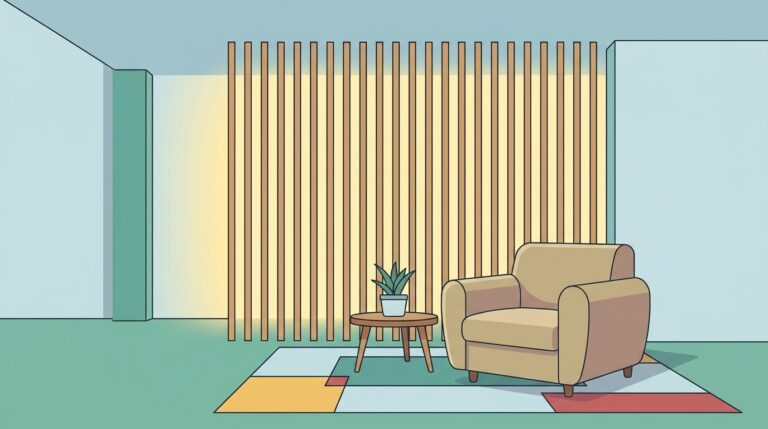
Mastering the Language of Ambiance: How Lighting Temperature Shapes Korean Spaces and Minds
Phase 1: Empathy & Storytelling Opening
안녕하세요! 매일한글 에디터입니다. (Hello! This is your Daily Hangul editor.)
Have you ever settled into a trendy hanok cafe in Ikseon-dong or stepped into a boutique design studio in Seongsu-dong, only to feel an instantaneous, almost visceral sense of psychological decompression? Or conversely, have you ever walked into a hyper-bright Korean studio apartment (원룸, wonrum) illuminated solely by an unforgiving, hospital-grade fluorescent ceiling bar and felt an inexplicable wave of cognitive fatigue? If you have experienced this sharp contrast, you have stumbled upon one of modern Korea’s most passionately debated lifestyle phenomena: the psychological impact of lighting color temperature (조명의 색온도).
For advanced learners navigating contemporary Korean interior trends, aesthetic vocabulary is not merely about decorating an apartment; it is about articulating emotional spatial balance (공간의 심리적 안정감). In Korea, the generational shift away from the traditional high-Kelvin, sterile ceiling tube toward layered, warm-toned mood lighting (무드등 and 간접조명) represents a profound cultural pivot from industrial productivity to sensory sanctuary. In this masterclass, informed by our C2 learner community feedback, we will dissect the nuanced socio-linguistic and psychological register Koreans use to discuss how Kelvin scales dictate human emotion, aesthetic luxury, and domestic intimacy.
Phase 2: Deep Dive into 3 Core Expressions
1. 전구색의 은은한 온기가 공간을 아늑하게 감싸주네요 (Jeongusek-ui euneunhan ongiga gongganeul aneukhage gamssajuneyo)
- Pronunciation: [Jeon-gu-saeg-ui eun-eun-han on-gi-ga gong-gan-eul ah-neuk-ha-geh gam-ssa-ju-neh-yo] (Think of ‘eun-eun’ like the gentle hum of a meditative chime, trailing smoothly into ‘on-gi’ like warm steam off a fresh cup of tea.)
- Meaning: Literal: “The subtle warmth of the bulb-color gently wraps around the space.” / Pragmatic Nuance: A sophisticated observation appreciating how warm-spectrum incandescent lighting (2700K–3000K) cultivates an emotionally soothing, cocoon-like atmosphere.
- K-Culture Moment: Seen in sophisticated lifestyle vlogs or architectural documentary shows like Where Shall We Live (구해줘! 홈즈) when an architect inspects a renovated Seongbuk-dong residence.
- Editor’s Insight: The adjective 은은하다 (subtle, delicate, softly pervasive) paired with 아늑하다 (cozily intimate) elevates your critique from simple praise to refined aesthetic commentary.
- Situation Spectrum: Casual ✅ | Semi-formal ✅ | Formal ✅
- 🤔 Think About It: In your native tongue, do you describe lighting as “wrapping” (감싸다) a room? How does the personification of light reflect Korean spatial philosophy?
2. 주광색 조명은 각성 효과가 강해서 금방 피로감이 몰려와요 (Jukwangsek jomyeongeun gakseong hyogwaga ganghaeseo geumbang pirogami mollyeowayo)
- Pronunciation: [Joo-gwang-saek jo-myeong-eun gak-seong hyo-gwa-ga gang-hae-seo geum-bang pee-ro-gam-ee mol-lyeo-wa-yo] (Pronounce ‘gakseong’ crisply like ‘gak-seong’ to mirror the sharp alertness it describes.)
- Meaning: Literal: “Cool daylight lighting has a strong arousal/alertness effect, so fatigue rushes in quickly.” / Pragmatic Nuance: An articulate psychological critique explaining why blue-enriched, cool white lighting (6500K) overstimulates the nervous system.
- K-Culture Moment: Often heard in corporate interior design meetings in Gangnam when debating office workstation ergonomics vs. rest-lounge specifications.
- Editor’s Insight: Using 각성 효과 (arousal/stimulating effect) and 피로감이 몰려오다 (a surge of fatigue rolling in) exhibits true C2-level proficiency in academic and professional interior discourse.
- Situation Spectrum: Casual ⚠️ | Semi-formal ✅ | Formal ✅
- 🤔 Think About It: How does Western workplace discourse address circadian rhythms compared to Korea’s emerging critique of traditional 형광등 (fluorescent) culture?
3. 주백색으로 톤을 맞추면 시각적 피로도 줄이고 감성도 챙길 수 있죠 (Jubaeksaegeuro toneul matchumyeon sigakjeok pirodo jurigo gamseongdo chaenggil su itjyo)
- Pronunciation: [Joo-baek-sae-geu-ro ton-eul mat-choo-myeon shee-gak-jeok pee-ro-do joo-ree-go gam-seong-do chaeng-geel soo eet-jyo] (Flow effortlessly from ‘matchumyeon’ to ‘chaenggil’ like balancing two scales.)
- Meaning: Literal: “If we align the tone with neutral white, we can reduce visual fatigue and also keep the emotional aesthetic.” / Pragmatic Nuance: The ultimate practical interior compromise—advocating for 4000K neutral-white lighting to achieve functional visual clarity without sacrificing modern aesthetic warmth.
- K-Culture Moment: Ubiquitous in modern Today’s House (오늘의집) interior makeover transformations when designers optimize work-from-home studios.
- Editor’s Insight: 감성을 챙기다 (to secure/preserve the emotional vibe) perfectly captures Korea’s contemporary obsession with 감성 (mood, sensibility, aesthetic soul).
- Situation Spectrum: Casual ✅ | Semi-formal ✅ | Formal ✅
- 🤔 Think About It: Notice how 감성 functions almost like a tangible asset that one can “챙기다” (pack, harvest, or look after). What abstract virtues in your culture get treated with this practical urgency?
Phase 3: Textbook Korean vs. Real Korean
Situation 1: Expressing that overhead lighting is uncomfortably harsh
- 📖 교과서 한국어 (Textbook): 불빛이 너무 밝아서 눈이 아픕니다. (Bulbichi neomu balgaseo nuni apeumnida. / The light is too bright so my eyes hurt.)
- 🗣️ 진짜 한국어 (Real Native C2): 직접조명이 너무 쨍해서 공간이 좀 삭막해 보여요. 간접등으로 조도를 낮추는 게 낫겠어요. (Jikjeopjomyeongi neomu jjaenghaeseo gonggani jom sangmakhae boyeoyo. Ganjeopdeungeuro jodoeul natchuneun ge natgesseoyo. / The direct lighting is way too harsh and glaring, making the space look desolate. It would be better to dial down the lux with indirect lamps.)
- 💡 왜 다를까? (Why the divergence?): Native Korean spatial connoisseurs rarely say just “눈이 아프다”; they pinpoint the lighting typology (직접조명 vs. 간접등) and evoke sensory textures using expressive onomatopoeic adjectives like 쨍하다 (piercingly glaring) and emotional spatial words like 삭막하다 (desolate, barren).
Situation 2: Praising a cozy, warm-toned dining atmosphere
- 📖 교과서 한국어 (Textbook): 이 식당의 조명은 따뜻해서 기분이 좋습니다. (I sikdang-ui jomyeongeun ttatteu-thaeseo gibuni joeusseumnida. / This restaurant’s lighting is warm, so I feel good.)
- 🗣️ 진짜 한국어 (Real Native C2): 조도를 한 톤 낮추고 전구색으로 포인트를 주니까 심리적으로 훨씬 차분해지네요. (Jodoeul han ton natchugo jeongusaekeuro pointeureul junikka simrijeogeuro hwolssin chabunhaejineyo. / Lowering the illumination level by a notch and accenting with warm-incandescent bulbs makes the psychological state so much more serene.)
- 💡 왜 다를까? (Why the divergence?): High-level discourse combines professional photometric jargon (조도, illumination/lux; 톤, color tone) with introspective psychological predicates (차분해지다, to become composed/tranquil).
Phase 4: K-Culture Deep Dive & Non-Verbal Manners
4-1. Nunchi (눈치) & Aesthetic Etiquette
In Korean culture, lighting isn’t just optics; it sets the emotional boundary (분위기 파악). If you enter a colleague’s or host’s home where the main ceiling lamp is turned off and only a soft floor lamp (스탠드 조명) is glowing, turning on the primary overhead daylight fluorescent light without asking is considered an immense aesthetic and sensory faux pas (눈치 없는 행동). It abruptly destroys the psychological unwinding process. When discussing someone’s interior choices, always observe the ambient mood first, nod softly with a relaxed gaze toward the focal light fixture, and complement the 조도 (illumination level) before discussing physical furniture.
4-2. Cultural Code Analysis: The Death of the Fluorescent Ceiling Light
For decades during South Korea’s rapid economic development (1970s–1990s), ultra-bright, 6500K daylight-white fluorescent lighting (형광등) symbolized modernity, hyper-efficiency, and tireless nighttime study or factory production. However, Korea’s contemporary 집꾸미기 (home styling) revolution and K-Drama aesthetics (such as the warm, cinematic 3000K interior grading in series like My Liberation Notes or Crash Landing on You) shifted this entirely. Today, high-Kelvin overhead lighting is culturally associated with cold bureaucratic offices or exam cram rooms (독서실), while multi-layered, low-Kelvin warm-white systems symbolize mental healing (힐링), emotional maturity, and high quality of life.
Phase 5: Real-World Interactive Roleplay
Setting: A minimalist interior architecture studio in Hannam-dong, Seoul. You are consulting with Min-seo (민서), a renowned senior spatial designer, about remodeling your hybrid living-and-work studio to combat work-from-home burnout.
- Turn 1 (민서): 이번 스튜디오 리모델링에서 조명 설계를 전면 수정하려고 해요. 기존 주광색 형광등 때문에 업무 후에도 긴장이 안 풀리셨죠?
(Ibeon seutyudio rimodelling-eseo jomyeong seolgyereul jeonmyeon sujeongharyeogo haeyo. Gijon jugwangsaek hyeonggwangdeung ttaemune eommu huedo ginjangi an pullisyeotjyo?)
“We are planning to completely overhaul the lighting design for this studio remodel. You weren’t able to unwind after work due to the existing daylight fluorescent lights, right?”
🎭 Action: Unrolls a lighting layout blueprint with detailed color temperature tags. -
Turn 2 (You): 네, 맞아요. 밤늦게까지 각성 상태가 유지돼서 불면증까지 오더라고요. 조도와 색온도를 구획별로 나누고 싶어요.
(Ne, majayo. Bamneutgekkaji gakseong sangtaega yujidwaeseo bulmyeonjeungkkaji odeoragoyo. Jodowa saegondoreul guhoekbyeollo nanugo sipeoyo.)
“Exactly. My alertness stayed heightened late into the night, which even triggered insomnia. I want to zone the space by lux and color temperature.”
🎭 Action: Points thoughtfully to the designated desk area and bedside corner on the blueprint. -
Turn 3 (민서): 탁월한 접근이세요. 그럼 워크스테이션 쪽은 집중력을 높여주는 4000K 주백색 매립등으로 가고, 침실 쪽은 2700K 전구색 간접등을 배치하면 어떨까요?
(Tagwolhan jeopgeuniseyo. Geureom wokeuseuteisyeon jjogeun jipjungnyeogeul nopyeojuneun sacheon-K jubaeksaek maeripdeungeuro gago, chimsil jjogeun icheonchilbaek-K jeongusaek ganjeopdeungeul baechihamyeon eotteolkkayo?)
“That’s an excellent approach. Then how about we install 4000K neutral-white recessed lights over the workstation for focus, and 2700K warm-white indirect lights around the bedroom zone?”
🎭 Action: Taps color temperature sample cards on the table. -
Turn 4 (You): 완벽하네요. 주백색으로 작업 효율을 챙기면서도, 휴식 공간은 은은한 전구색으로 심리적 이완을 유도할 수 있겠어요.
(Wanbyeokhaneyo. Jubaeksaegeuro jageop hyoyureul chaenggimyeonseodo, hyusik gongganeun euneunhan jeongusaekeuro simrijeok iwaneul yudohal su itgesseoyo.)
“Perfect. That way we secure work efficiency with neutral white, while inducing psychological relaxation in the lounge area with subtle warm light.”
🎭 Action: Smiles approvingly and sketches a dimming controller icon. -
Turn 5 (민서): 맞습니다. 조명의 색온도가 자율신경계에 직접적인 영향을 미치니까요. 혹시 스마트 디밍 시스템도 연동해 드릴까요?
(Matseumnida. Jomyeong-ui saegondoga jayulsin-gyeonggye-e jikjeopjeogin yeonghyang-eul michinikkayo. Hoksi seumateu diming siseutemdo yeondonghae deurilkkayo?)
“Precisely. Because lighting color temperature directly impacts the autonomic nervous system. Should we integrate a smart dimming system as well?”
🎭 Action: Holds up a tablet showing dynamic Kelvin automation settings. -
Turn 6 (You): 일몰 시간에 맞춰 자동으로 색온도가 전구색으로 전환되게 설정하면 생체 리듬 유지에 큰 도움이 되겠네요.
(Ilmol sigane matchwo jadong-euro saegondoga jeongusaek-euro jeonhwandoege seoljeonghamyeon saengche rideum yujie keun doumi doegenneyo.)
“If it’s configured to shift automatically to warm light at sunset, it will be immensely helpful for maintaining my circadian rhythm.”
🎭 Action: Nods enthusiastically while reviewing the app interface. -
Turn 7 (민서): 역시 공간 심리에 대한 이해도가 아주 높으시네요! 이 설계대로 시공하면 집이 온전한 치유의 공간이 될 겁니다.
(Yeoksi gonggan simrie daehan ihaedoga aju nopeusineyo! I seolgyedaero sigonghamyeon jibi onjeonhan chiyu-ui gonggani doel geomnida.)
“As expected, your understanding of spatial psychology is exceptionally high! Building it this way will transform your home into a genuine sanctuary of healing.”
🎭 Action: Marks the blueprint approved with a fountain pen. -
Turn 8 (You): 민서 디자이너님 덕분에 시각적 편안함과 정서적 안정감을 동시에 잡을 수 있게 되었어요. 기대됩니다.
(Minseo dijaineonim deokbune sigakjeok pyeon-anhamgwa jeongseojeok anjeonggameul dongsie jabeul su itge doeeosseoyo. Gidaedoemnida.)
“Thanks to you, Designer Min-seo, I can capture visual comfort and emotional stability simultaneously. I can’t wait!”
🎭 Action: Shakes hands with a warm, appreciative expression.
🔀 Interactive Decision Branching Point
Min-seo asks: “현관 입구와 복도 쪽 조명은 센서등으로 할 텐데, 귀가했을 때 어떤 무드를 제일 먼저 마주하고 싶으세요?” (For the entryway and hallway sensor lights, what mood would you like to encounter first upon returning home?)
- Option A: “무조건 제일 밝은 6500K 주광색으로 해서 들어오자마자 정신이 번쩍 들게 해주세요.” (Make it unconditionally the brightest 6500K daylight white so I snap fully alert the moment I enter.)
- Option B: “3000K 전구색 간접 센서등으로 세팅해서, 문을 열자마자 포근하게 환영받는 느낌이 들면 좋겠어요.” (Set it with 3000K warm-white indirect sensor lighting so I feel warmly welcomed the moment I open the door.)
- Option C: “조명은 상관없고 그냥 제일 저렴한 기본 벌브 아무거나 달아주세요.” (Lighting doesn’t matter, just install whatever cheapest basic bulb you have.)
Feedback & Strategy Analysis:
* Option A (Risk): While functional for clinical inspection, entering a harsh 6500K entryway destroys the psychological decompression pathway immediately upon returning from a high-stress workday.
* Option B (Best): Demonstrates flawless native C2 spatial psychology sensibilities (포근하게 환영받는 느낌). It reinforces sensory transitions from chaotic urban exterior to intimate sanctuary.
* Option C (Bad): Disregards the entire conceptual framework of architectural harmony and spatial emotionality.
Phase 6: 10-Second Emotion Shadowing Drill
Master the rhythmic cadences, strategic pauses (/), and psychological tone markers of high-level Korean spatial critiques:
[😌 Deeply relaxed and poetic]
하루 일과를 마치고 / 전구색 무드등을 켜는 순간, / 비로소 공간이 / 나를 포근히 안아주는 기분이 들어요.
(Haru ilgwareul machigo / jeongusaek mudeudeung-eul kyeoneun sungan, / biroso gonggani / nareul pogeunhi anajuneun gibuni deureoyo.)
“After finishing the daily grind / the moment I turn on the warm mood lamp, / finally the space / feels like it’s warmly embracing me.”-
[🧐 Analytical and professional]
주광색의 지나친 블루라이트는 / 멜라토닌 분비를 억제하니까, / 야간에는 조도를 낮추고 / 색온도를 3000K 이하로 떨어뜨려야 합니다.
(Jugwangsaek-ui jinachin beulluraiteuneun / mellatonin bunbireul eokjehanikka, / yagan-eneun jodoeul natchugo / saegondoreul samcheon-K iharo tteoreotteuryeoya hamnida.)
“Since excess blue light from daylight bulbs / suppresses melatonin secretion, / at night we must dial down the lux / and drop the color temperature below 3000K.” -
[✨ Inspired and decisive]
메인 조명을 과감히 끄고 / 코너마다 간접 조명을 분산 배치했더니, / 집안의 정서적 무드가 / 완전히 달라졌어요!
(Mein jomyeong-eul gwagamhi kkeugo / koneomada ganjeop jomyeong-eul bunsan baechihaetteoni, / jiban-ui jeongseojeok mudeuga / wanjeonhi dallajyeosseoyo!)
“When I boldly switched off the main ceiling light / and distributed indirect lamps in every corner, / the entire emotional mood of the home / transformed completely!”
Phase 7: K-Culture Mini Dictionary
-
색온도 (Saeg-on-do) [Kelvin Color Temperature]
- Context: Used extensively in architecture, real estate, and photography. It refers to the physical warmth or coolness of light (전구색 warm white ~2700K, 주백색 neutral white ~4000K, 주광색 daylight white ~6500K). High-level conversations revolve around choosing the right 색온도 to harmonize circadian physiology with aesthetic purpose.
- 조도 (Jo-do) [Illumination Level / Lux]
- Context: Beyond simple brightness (밝기), 조도 is the formal metric for luminous intensity on a surface. In modern lifestyle writing, 조도를 낮추다 (lower the lux level) is synonymous with establishing romantic, contemplative, or restorative environments.
- 간접조명 (Gan-jeop-jo-myeong) [Indirect / Diffused Lighting]
- Context: The quintessential hallmark of trendy Korean interiors. Instead of raw glare, light is bounced off walls, ceilings, or cove moldings. It symbolizes sophistication and mental ease (마음의 안정).
- 무드등 (Mu-deu-deung) [Mood / Accent Lamp]
- Context: A compound of the English loanword “mood” and Sino-Korean 등 (燈, light). It refers to small bedside lights, sculptural ambient LED spheres, or aesthetic table lamps designed purely for atmospheric and emotional resonance.
Phase 8: Survival Kit for Design Explorers & Travelers
Top 3 Architectural Survival Expressions:
- 전구색 전구로 교체해 주실 수 있나요?
(Jeongusaek jeonguro gyochaehae jusil su innayo?)
Pro Tip: Use this at boutique Airbnb accommodations or extended-stay studios if the default bedroom light is an overbearing daylight bulb. - 이 카페는 간접등을 잘 활용해서 분위기가 참 아늑하네요.
(I kapeneun ganjeopdeung-eul jal hwalyonghaeseo bunwigiga cham aneukhアダneyo.)
Pro Tip: A sophisticated compliment that immediately marks you as an aesthetically cultured customer to hip cafe owners in Yeonnam-dong. - 디밍(밝기 조절) 기능이 포함된 스탠드인가요?
(Diming [balkki jojeol] gineung-i pohamdoen seutaendeuingayo?)
Pro Tip: Crucial when shopping at interior flagship stores like IKEA Gwangmyeong, D&Department Seoul, or local lifestyle pop-ups in Samcheong-dong.
Editor’s Travel Note:
When exploring Seoul’s design-forward districts (like Euljiro’s historic lighting district, 을지로 조명거리), do not just look at fixture shapes. Observe the Kelvin harmony! To navigate these hidden industrial alleyways and interior showrooms like a local pro, be sure to use the Naver Map app download instead of generic global GPS, which lacks real-time updates for secluded multi-story designer showrooms.
Phase 9: “A Step Deeper” (한 발 더 깊이)
In traditional Korean architectural philosophy—epitomized by the classic Hanok (한옥)—light was never engineered as an aggressive downlight; it was filtered indirectly through semi-translucent mulberry paper (창호지, Changhoji), diffusing harsh sunlight into a serene, ambient glow. The modern South Korean resurgence of low-Kelvin, indirect illumination is not merely a Westernized interior trend; it is a subconscious cultural return to 차경 (borrowing scenic nature) and soft environmental diffusion. In a hyper-accelerated society dominated by the relentless blue light of smartphone screens and high-stakes office high-rises, curating the color temperature of one’s personal sanctuary has become an act of psychological resistance and restorative self-care.
💬 Your Turn: What color temperature dominates your current living space, and how does it affect your mental state after a demanding day? Share your thoughts in Korean in the comments below using the expression ~에 심리적 영향을 받다 (to be psychologically influenced by)!
Phase 10: FAQ & Common Mistakes
Q: Isn’t “주광색” supposed to mean warm ‘sunlight’ light based on the Chinese character 주 (晝, daytime) and 광 (光, light)?
A: This is the single most common and costly mistake made by Korean learners and native speakers alike! While 주광색 (Daylight, 6500K) literally translates to “daylight color,” in lighting terminology it refers to the cool, crisp, bluish-white light of a cloudless noon sky. If you want warm, yellowish, sunset-like light, you must specifically choose 전구색 (Bulb color, ~2700K) or 주백색 (Neutral warm-white, ~4000K).
Q: When is 6500K (주광색) genuinely appropriate in Korean interior spaces?
A: High-Kelvin cool daylight is functionally reserved for areas demanding hyper-acute visual precision and safety—such as kitchen food-prep counters, dressing vanity mirrors for color-accurate makeup application, fine craft workshops, or utility laundry rooms. It is avoided in sleeping and relaxation sanctuaries.
Q: How do I naturally ask a barista or boutique hotel clerk if they can dim the lighting?
A: Say politely: “실례지만 여기 조도를 조금만 낮춰주실 수 있을까요?” (Excuse me, would it be possible to lower the illumination level slightly here?) Using the term 조도 sounds remarkably polite, cultured, and precise.
🚨 Common Mistakes Warning Board
- Mistake: Mixing up 주광색 (Cool White 6500K) and 전구색 (Warm Orange-Yellow 2700K) when ordering online.
- Correct Action: Remember the mnemonic: 전구 (traditional bulb = warm amber), 주광 (midday sun = glaring blue-white).
- Mistake: Overusing the generic adjective 밝다 (bright) to describe sophisticated atmospheric fixtures.
- Correct Action: Utilize aesthetic predicates like 은은하다 (subtly radiant), 아늑하다 (cozy), or 눈부심이 적다 (gentle on the eyes / low glare).
- Mistake: Using abrupt low-register demands like “불 꺼” when seeking romantic/warm ambiance in shared living spaces.
- Correct Action: Frame it around atmospheric comfort: “메인등 끄고 무드등만 켤까? 분위기 훨씬 아늑할 것 같아.” (Shall we turn off the main light and just switch on the mood lamp? I think the atmosphere will feel much cozier.)
Phase 11: Action Missions
- 🥉 Bronze Mission (Solo Mastery): Stand in your living room or bedroom. Look at your light fixtures and record a 15-second audio note describing your space’s current color temperature: “우리 집 방 조명은 전구색이라서 심리적으로 참 편안해요.”
- 🥈 Silver Mission (Social Engagement): Snap a photo of your favorite cozy lamp or local cafe setup, post it to Instagram or Threads, and write a caption incorporating #조도, #전구색, and #은은한조명.
- 🥇 Gold Mission (Real-world Execution): Visit a lighting showroom, IKEA, or a local design shop in Korea, and engage a staff member using Phase 5 vocabulary: “이 무드등 색온도가 몇 켈빈(K)인지, 조도 조절이 가능한지 여쭤봐도 될까요?”
🎮 K-Culture Mission: Watch the latest episode of any contemporary K-Drama (like Queen of Tears or Doctor Slump). Identify the lighting shift between characters’ clinical work environments (high-Kelvin 주광색) and intimate residential confessions (low-Kelvin 전구색/간접조명). Note down at least two sensory Korean adjectives used during interior scenes!
Phase 12: Interactive Quiz Challenge
Question 1: Situational Judgment
You are designing a cozy home study aimed at reading literature while staying mentally relaxed without straining your eyes or triggering late-night insomnia. Which color temperature combination is the most culturally and psychologically appropriate?
* A) 6500K 주광색 직접 형광등
* B) 4000K 주백색 메인등 + 2700K 전구색 간접 스탠드 조명
* C) 8000K 푸른빛 고조도 스트립 LED
🔍 Click to Reveal Answer & Detailed Analysis
Correct Answer: B
Explanation: 4000K (주백색) offers optimal reading clarity without the hyper-alert, blue-light stress of 6500K (주광색), while a 2700K (전구색) indirect accent lamp provides the calming, cocooning ambience (아늑한 분위기) essential for mental recovery.
Question 2: Fill-in-the-Blank (Advanced Register)
Complete the sentence with the appropriate aesthetic-psychological vocabulary:
“야간에 메인 천장등 대신 은은한 ________(을/를) 켜두면, 자율신경계가 안정되어 수면 유도에 효과적이다.”
* A) 주광색 직사광선
* B) 전구색 간접조명
* C) 산업용 형광등
🔍 Click to Reveal Answer & Detailed Analysis
Correct Answer: B (전구색 간접조명)
Explanation: 전구색 간접조명 (warm-white indirect lighting) is the precise architectural term for warm ambient light that fosters psychological calm and melatonin production.
Question 3: True / False Cultural Fact Check
Statement: In modern Korean interior design trends, “주광색” refers to a warm, candle-like orange light because the Chinese character 광 (光) implies the warm glow of daylight.
🔍 Click to Reveal Answer & Detailed Analysis
Correct Answer: FALSE
Explanation: In Korean commercial lighting standards, 주광색 (Daylight) is actually the cool, bluish-white 6500K light. The warm, candle-like orange light is 전구색 (Incandescent bulb color, ~2700K).







