

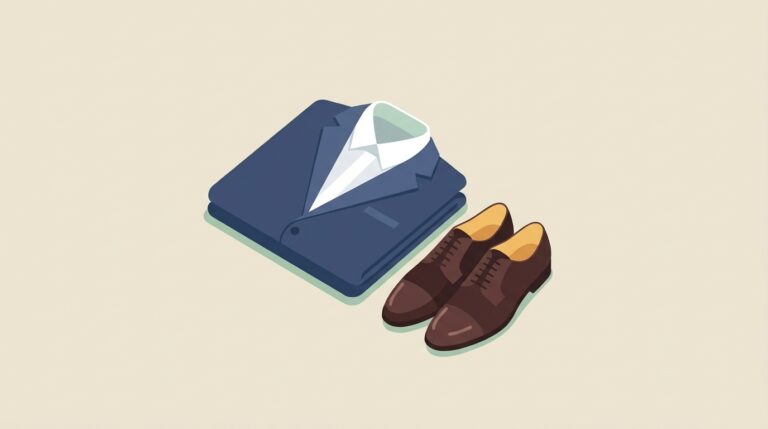
Phase 1: Empathy & Story Intro
안녕하세요! I’m your editor and cultural navigator at Daily Hangul.
Picture this: You just landed your dream interview in Seoul—maybe at an exciting tech startup in Pangyo or a prestigious global company in Gangnam. You open your wardrobe and freeze. In classic K-Dramas like Misaeng (Incomplete Life) or Start-Up, you see rookie employees looking impeccably sharp in crisp dark suits, while creative tech leads wear sleek blazers with clean white sneakers. You wonder: Do I need a full black suit with a tie? Are smart slacks enough? How do I ask HR or my Korean mentor what to wear without sounding unprepared?
Nailing your interview outfit (면접 복장) in Korea is about more than fashion—it communicates yeeui (예의, respect) and your readiness to adapt to the team culture. In this guide designed specifically for beginners (A1 level), we will walk through the exact, natural phrases you need to ask about dress codes, understand recruiter advice, and dress with total confidence. Based on real questions from hundreds of our international learners, here is your foolproof handbook!
Phase 2: Top 3 Core Expressions
1. 정장 입어야 해요? (한글)
- Pronunciation: [Jeong-jang ib-eo-ya hae-yo?] (Sounds like: Jung-jahng eeb-aw-yah hae-yoh?)
- Meaning: “Should I wear a suit?” (Literal: “Do I have to wear a formal suit?”)
- K-Culture Moment: Asking your senior (sunbae) or recruiter before attending a traditional corporate interview or university admission interview.
- Editor’s Insight: Jeong-jang (정장) refers to a standard two-piece suit. Adding -ya hae-yo creates the polite beginner-friendly form for asking “Do I need to do [action]?”
- Situation Spectrum: Casual ⚠️ | Semi-formal ✅ | Formal ✅
- 🤔 Think About It: In many Western job markets, asking about dress code can be informal, but in Korea, clarifying beforehand shows thoughtful preparation.
2. 단정하게 입으세요. (한글)
- Pronunciation: [Dan-jeong-ha-ge ib-eu-se-yo.] (Sounds like: Dahn-jung-hah-geh eeb-oo-seh-yoh)
- Meaning: “Please dress neatly.” (Actual nuance: “Wear clean, modest, and tidy business clothes.”)
- K-Culture Moment: The standard phrase written in interview confirmation emails or spoken by recruiters when full black-tie suits are not strictly required.
- Editor’s Insight: Danjeong (단정) is a golden keyword in Korean society. It means tidy, pressed, and conservative—no wrinkled shirts, wild neon colors, or distracting jewelry.
- Situation Spectrum: Casual 🚫 | Semi-formal ✅ | Formal ✅
- 🤔 Think About It: Why does Korean culture value danjeong over individual flashy expression during initial job screenings?
3. 이 옷 괜찮아요? (한글)
- Pronunciation: [I ot gwen-chan-a-yo?] (Sounds like: Ee oat gwen-chahn-ah-yoh?)
- Meaning: “Is this outfit okay?”
- K-Culture Moment: Showing your interview outfit to a Korean friend or roommate the night before the big day.
- Editor’s Insight: Ot (옷) simply means clothes. Gwenchanayo (괜찮아요) is the most versatile phrase in Korean for “Is it okay / good?”
- Situation Spectrum: Casual ✅ | Semi-formal ✅ | Formal ⚠️
- 🤔 Think About It: Notice how short and punchy A1 Korean phrases can be when asking for quick validation from peers!
Phase 3: Textbook Korean vs. Real Korean
- Situation 1: Asking what to wear on interview day
- 📖 Textbook Korean: “면접 시 착용해야 할 복장 규정이 무엇입니까?”
- 🗣️ Real Korean: “면접 때 뭐 입고 가요?” (Myeon-jeop ttae mwo ib-go ga-yo?)
- 💡 Why it’s different: Textbook Korean uses heavy Hanja-based terms like bok-jang gyu-jeong (dress code regulations). In real conversations with coordinators or Korean buddies, natural spoken phrasing is much softer and direct.
- Situation 2: Telling someone you’ll dress smartly
- 📖 Textbook Korean: “단정한 의복을 갖추어 입도록 하겠습니다.”
- 🗣️ Real Korean: “깔끔하게 입고 갈게요!” (Kkal-kkeum-ha-ge ib-go gal-ge-yo!)
- 💡 Why it’s different: The word kkalkkeum-hada (to be clean/neat) is what natives use 90% of the time to describe a sharp, well-groomed look.
Phase 4: K-Culture Deep Dive & Non-Verbal Etiquette
4-1. Nunchi & Non-Verbal Cues (눈치 매너)
- The 15-to-30 Degree Bow: When entering the interview room, stand tall, make brief warm eye contact, and bow at a 30-degree angle while saying “Annyeonghaseyo!”
- Button Etiquette: If wearing a suit jacket, keep it buttoned while standing, but gracefully unbutton the bottom button when sitting down so the jacket does not bunch up.
- Shoes & Socks Check: Ensure your shoes are polished. Never wear white sports socks or bare ankles with dress shoes in a conservative Korean corporate interview.
4-2. Cultural Code: The Rise of “Business Casual” (비즈니스 캐주얼)
While traditional conglomerates (Chaebols) and banks still expect dark navy or black suits, Korea’s booming tech, media, and startup sectors now frequently request Business Casual. However, Korean “Business Casual” is still sharper than in many Western countries: think crisp collared shirts, dark tailored trousers, blazers, and clean leather shoes or minimal dark sneakers.
Phase 5: Real-Life Roleplay Scenario
Setting: You are visiting your Korean mentor, Min-woo (민우), at a cafe in Hongdae to review your outfit before your interview tomorrow.
- Turn 1 (Min-woo): 🎭 Taking a sip of iced Americano and smiling
“내일 면접 준비 다 했어요?” (Nae-il myeon-jeop jun-bi da hae-sseo-yo? / Are you all ready for tomorrow’s interview?) - Turn 2 (You): 🎭 Opening your phone and showing a photo of your outfit
“네! 그런데 옷이 조금 걱정돼요. 이 옷 괜찮아요?” (Ne! Geu-reon-de ot-i jo-geum geok-jeong-dwae-yo. I ot gwen-chan-a-yo? / Yes! But I’m a bit worried about my outfit. Is this outfit okay?) - Turn 3 (Min-woo): 🎭 Leaning in to inspect the picture carefully
“음, 깔끔하네요! 넥타이도 맬 거예요?” (Eum, kkal-kkeum-ha-ne-yo! Nek-ta-i-do mael geo-ye-yo? / Mmm, looks neat! Are you going to wear a tie too?) - Turn 4 (You): 🎭 Tilting head slightly with a curious expression
“정장 입어야 해요? 스타트업 회사예요.” (Jeong-jang ib-eo-ya hae-yo? Seu-ta-teu-eop hoe-sa-ye-yo. / Should I wear a full suit? It’s a startup company.) - Turn 5 (Min-woo): 🎭 Nodding reassuringly
“아, 스타트업이면 넥타이는 안 매도 돼요. 셔츠에 슬랙스 입으세요.” (A, seu-ta-teu-eop-i-myeon nek-ta-i-neun an mae-do dwae-yo. Syeo-cheu-e seul-laek-seu ib-eu-se-yo. / Ah, for a startup you don’t need a tie. Wear a shirt with slacks.) - Turn 6 (You): 🎭 Checking your notes
“신발은 운동화 신어도 돼요?” (Sin-bal-eun un-dong-hwa sin-eo-do dwae-yo? / Can I wear sneakers for shoes?) - Turn 7 (Min-woo): 🎭 Gesturing with hands to specify
“너무 화려한 운동화 말고, 깔끔한 검은색이나 흰색 스니커즈는 괜찮아요.” (Neo-mu hwa-ryeo-han un-dong-hwa mal-go, kkal-kkeum-han geom-eun-saek-i-na huin-saek seu-ni-keo-jeu-neun gwen-chan-a-yo. / Not overly flashy sneakers, but clean black or white minimal sneakers are fine.) - Turn 8 (You): 🎭 Smiling with relief and bowing slightly
“알겠습니다! 단정하게 입고 갈게요. 고마워요!” (Al-get-seum-ni-da! Dan-jeong-ha-ge ib-go gal-ge-yo. Go-ma-wo-yo! / Got it! I will dress neatly. Thank you!)
🔀 Interactive Choice Point
What should you reply if the interviewer’s email says: “자율 복장으로 참석 바랍니다” (Please attend in casual/flexible attire)?
* Option A: Wear your favorite graphic hoodie and ripped jeans. (Feedback: ❌ Bad. Jayul bok-jang in Korean business means smart business casual, never streetwear!)
* Option B: Wear a clean, solid button-down shirt with neutral chinos or slacks. (Feedback: 🌟 Best! Demonstrates great sense (nunchi)—comfortable yet respectful.)
* Option C: Wear a full three-piece tuxedo with a bow tie. (Feedback: ⚠️ Risk. Overdressed to the point of awkwardness for modern casual-dress companies.)
Phase 6: 10-Second Emotion Shadowing Drill
Practice reading these out loud matching the emotional guide and cadence slashes (/):
- [🤔 Wondering & Curious]
“면접 때 / 뭐 입어야 해요?”
(Myeon-jeop ttae / mwo ib-eo-ya hae-yo?) -
[👔 Confident & Reassuring]
“깔끔하게 / 입고 갈게요!”
(Kkal-kkeum-ha-ge / ib-go gal-ge-yo!) -
[🤝 Polite & Inquiring]
“이 셔츠 / 단정해요?”
(I syeo-cheu / dan-jeong-hae-yo?)
Phase 7: K-Culture Mini Dictionary
- 정장 (Jeong-jang): Formal business suit / Formal attire. Used when preparing for corporate interviews or weddings.
- 단정하다 (Dan-jeong-ha-da): To be neat, tidy, and orderly in appearance and posture.
- 슬랙스 (Seul-laek-seu): Slacks / Tailored dress pants (a core essential for Korean office looks).
- 첫인상 (Cheot-in-sang): First impression. A key cultural concept where neat appearance builds immediate trust.
Phase 8: Survival Kit for Interviewees & Expats
Top 3 Survival Phrases
- “다리미 있어요?” (Da-ri-mi iss-eo-yo?) — “Do you have an iron?” (Great for guesthouses/hotels before interview morning).
- “비즈니스 캐주얼 맞아요?” (Bi-jeu-ni-seu kae-jyu-eol maj-a-yo?) — “Is business casual correct?”
- “구두 신어야 해요?” (Gu-du sin-eo-ya hae-yo?) — “Do I have to wear formal dress shoes?”
Editor’s Travel & Life Note
Need an affordable, high-quality interview outfit or emergency shirt in Seoul? Head to SPAO or Topten in major shopping districts like Myeongdong or Gangnam for budget-friendly basics. If you need suit rental for official interviews in Seoul, check the Seoul Youth Suit Rental Service (취업날개 서비스) on the official Seoul Metropolitan Government portal.
Phase 9: Step Deeper (한 발 더 깊이)
In Korean society, clothing during formal evaluations is seen as an extension of community harmony (gongdongche). Rather than viewing strict dress expectations as limiting personal freedom, Koreans interpret dressing neatly (danjeongham) as showing utmost courtesy to the interviewer who took time out of their workday to meet you. When you dress with care, you are silently saying: “I value your time and take this opportunity seriously.”
💬 Your Turn: What is the standard interview dress code in your home country? Would a hoodie fly at a tech job interview? Share your thoughts below!
Phase 10: FAQ & Common Mistakes
Q: Can I wear all black for a Korean job interview?
A: Yes! Dark navy, charcoal gray, and black are the most standard and universally accepted colors for suits in Korea. Pair it with a clean white inner shirt for the cleanest look.
Q: Is it okay to wear visible tattoos or multiple earrings?
A: In conservative industries, it is best to cover tattoos with clothing or neutral tape and stick to minimal stud earrings. Creative fields and startups are significantly more relaxed.
Q: What does “자율 복장” (free attire) mean for a corporate interview?
A: It almost never means flip-flops or shorts! It means “smart casual”: neat trousers, a collar or knit sweater, and tidy footwear.
🚨 Common Mistakes Alert
- Bare ankles or bright athletic socks with formal trousers: Always wear dark crew dress socks matching your pants.
- Wrinkled shirt collars: In Korea, a wrinkled collar stands out immediately under bright office fluorescent lights.
- Overly strong perfume or cologne: Korean office etiquette favors subtle or fresh scents over heavy musks.
Phase 11: Action Mission & Community Challenge
- 🥉 Bronze Mission: Stand in front of your mirror and practice asking: “이 옷 단정해요?” with clear intonation three times.
- 🥈 Silver Mission: Snap a photo of your interview or office outfit and comment your best Korean sentence on our Daily Hangul study board.
- 🥇 Gold Mission: Use “깔끔하게 입고 갈게요!” in a real message to a Korean colleague, tutor, or friend this week!
- 🎮 K-Culture Mission: Watch an episode of a workplace drama like King the Land or Search: WWW and spot when characters switch from full jeong-jang to business casual.
Phase 12: Interactive Quiz Challenge
Q1. You want to ask your friend if you must wear a formal suit. What is the correct A1 phrase?
* A) 정장 먹었어요?
* B) 정장 입어야 해요?
* C) 정장 어디 가요?
Q2. Fill in the blank:
* “면접 갈 때는 옷을 ________ 입으세요.” (Please dress neatly.)
* (Hint: Dan-jeong-ha-ge)
Q3. True or False:
* “자율 복장 (Jayul bok-jang)” at a Korean company means you can wear beach sandals and sweatpants to an official interview.
👉 Click here to reveal the answers and explanations!
Answer 1: B) 정장 입어야 해요? (Ib-da is the verb for wearing clothing on the body!).
Answer 2: 단정하게 (danjeonghage) — means neatly/tidily.
Answer 3: False! Jayul bok-jang means neat business casual unless explicitly stated as ultra-casual party wear.







