

안녕하세요! 매일한글 에디터입니다.
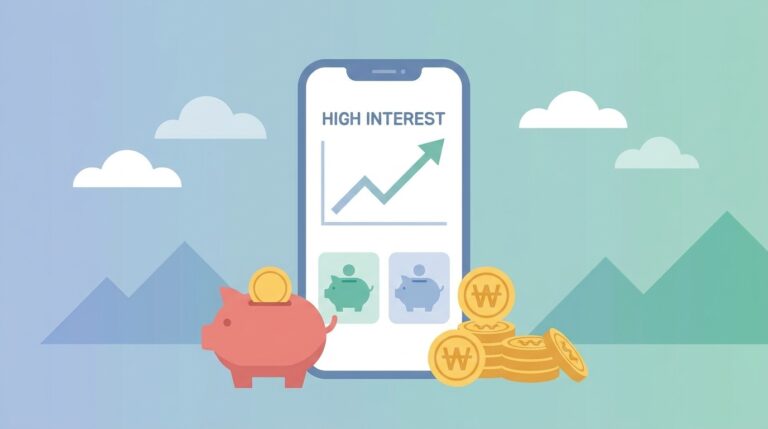
Have you ever walked into a sleek bank branch in Yeouido or checked your Korean mobile banking app like KakaoBank, only to be overwhelmed by notifications about rising interest rates? Imagine this: you locked in a 1-year fixed savings account six months ago at 3.5%, but today, banks are rolling out high-interest special offers (특판) offering 5.5%! Should you break your current contract and take the early termination penalty, or hold out until maturity?
In Korea’s hyper-fast financial culture, managing personal wealth (* 재테크 *) during interest rate hike periods is practically a national sport. Navigating this in advanced C2-level Korean requires precise nuance, sophisticated vocabulary, and a deep understanding of financial pragmatism. Today, we’re diving into native financial strategies for account switching so you can discuss investments, negotiate with bank tellers, and maximize your returns like a seasoned Seoul investor. Based on real feedback from foreign professionals living in Korea, this guide guarantees you’ll never feel lost when managing your money again!
Phase 2: 핵심 표현 3선 심층 분석
1. 중도해지 손실을 감수하다 (Jungdo-haeji sonsireul gamsuhada)
- Pronunciation: [Jung-do-hae-ji son-si-reul gam-su-ha-da] (Sounds like Joong-doh-hae-jee with ‘gamsu’ resembling ‘calm-sue’)
- Meaning: Literal: To endure early termination loss. / Actual Nuance: Intentionally accepting a penalty fee or lost interest from breaking a savings deposit early to pursue a significantly higher-yielding opportunity.
- K-Culture Moment: Commonly seen in Korean financial dramas like Itaewon Class or financial reality shows where characters analyze whether breaking an asset early creates long-term gain.
- Editor’s Insight: ‘중도해지’ (early termination) is a crucial term in Korean banking. Pair it with ‘감수하다’ (to swallow the bitter pill / tolerate) to convey mature, high-level financial reasoning.
- Situation Spectrum: Casual: 🚫 | Semi-formal: ⚠️ | Formal: ✅
- 🤔 Think About It: In your culture, is early withdrawal penalized as heavily as in East Asian banking systems, or do flexible money market funds dominate?
2. 금리 역전 현상을 활용하다 (Geumri yeokjeon hyeonsangeul hwalyeonghada)
- Pronunciation: [Geum-ri yeok-jeon hyeon-sang-eul hwa-ryeong-ha-da] (Geum-ree = interest rate, yeok-jeon = reversal/flip)
- Meaning: Literal: To make use of interest rate inversion. / Actual Nuance: Taking advantage of market situations where short-term savings rates temporarily surpass long-term rates during sharp rate hikes.
- K-Culture Moment: Featured on popular Korean YouTube financial channels like 3ProTV when experts explain strategy to retail investors.
- Editor’s Insight: Using ‘역전’ (reversal) shows top-tier fluency. It reflects a sophisticated grasp of economic trends rather than basic financial terms.
- Situation Spectrum: Casual: 🚫 | Semi-formal: ⚠️ | Formal: ✅
- 🤔 Think About It: How does language shift when talking about market irregularities versus standard economic conditions?
3. 풍차돌리기 적금으로 리스크를 분산하다 (Pungchadolligi jeokgeumeuro riseukeureul bunsanhada)
- Pronunciation: [Pung-cha-dol-ri-gi jeok-geum-eu-ro ri-seu-keu-reul bun-san-ha-da]
- Meaning: Literal: To diversify risk using the ‘windmill’ savings method. / Actual Nuance: Opening a new monthly savings account every month for 12 consecutive months so that after one year, a deposit matures every single month, providing liquidity during volatile rate cycles.
- K-Culture Moment: A beloved Korean personal finance hack heavily discussed on Instagram and Naver financial blogs.
- Editor’s Insight: ‘풍차돌리기’ (windmill spinning) is a vivid metaphor uniquely used in Korean banking culture for compounding liquidity!
- Situation Spectrum: Casual: ✅ | Semi-formal: ✅ | Formal: ✅
- 🤔 Think About It: Why do metaphors inspired by everyday objects (like windmills) become standardized financial terminology in Korean culture?
Phase 3: 교과서 한국어 vs 진짜 한국어
Situation 1: Deciding whether to break an existing account for a high-rate special offer
- 📖 교과서 한국어: “이 예금을 해지하고 신규 높은 금리의 상품으로 변경하는 것이 이익입니까?”
(Is it profitable to terminate this deposit and change to a new high-interest product?) - 🗣️ 진짜 한국어: “지금 이거 중도해지하고 새 특판으로 갈아타는 게 계산상 이득일까요?”
(Looking at the numbers, is it actually worth breaking this now and hopping onto the new special rate?) - 💡 왜 다를까?: Native speakers prefer ‘갈아타다’ (literally ‘to transfer/hop on’) instead of ‘변경하다’, and use ‘특판’ (special limited offer) in daily banking conversations.
Situation 2: Strategizing short-term deposits during unpredictable interest hikes
- 📖 교과서 한국어: “금리 인상 기조가 지속되므로 단기 예금 상품을 추천합니다.”
(Since interest rate increases continue, I recommend short-term deposit products.) - 🗣️ 진짜 한국어: “금리가 더 뛸 것 같아서 일단 3개월짜리 단기로 묶어두는 게 나을 것 같아요.”
(Looks like rates will jump higher, so it’s probably better to tie it up in a short 3-month term for now.) - 💡 왜 다를까?: ‘묶어두다’ (to tie up/lock funds) is standard financial slang used by bank employees and savvy customers alike.
Phase 4: K-Culture 딥다이브 & 비언어적 매너
4-1. 눈치 (Nunchi) & Financial Etiquette
When discussing interest rates at a bank teller counter or with financial advisors in Korea, subtlety and preparation are key. Displaying Nunchi means coming with your calculations ready on your phone screen. It’s considered polite not to waste the teller’s time by asking basic math; instead, show your app comparison screen and ask, “비교해 보니까 이쪽이 유의미하게 차이가 나는데, 맞나요?” (Comparing these, there seems to be a meaningful difference, right?). A subtle nod while examining the rate sheet (금리 표) signals high financial literacy.
4-2. Culture Code: The Korean “Jetech” (재테크) Craze
In South Korea, financial management (Jetech) isn’t just for Wall Street types—it’s a staple of young adulthood. During rate hike cycles, the search term “예적금 갈아타기 계산기” (Savings Hop-on Calculator) trends heavily across Korean portals. Korean digital banking applications offer one-click switches, reflecting the culture’s demand for ultra-efficient financial tools.
Phase 5: 실전 롤플레이 시나리오
Setting: A high-end branch of Shinhan Bank in Yeouido, Seoul. You are discussing your portfolio with senior teller Mr. Park.
- 박 은행원: “고객님, 가입하신 4% 예금이 만기까지 5개월 남았습니다. 최근 출시된 5.8% 특판으로 변경을 고민 중이신가요?”
(Gogaeakn-nim, ga-ip-ha-sin 4-pro ye-geum-i man-gi-kka-ji 5-gae-wol nam-at-seum-ni-da. Choe-geun chul-si-doen 5.8-pro teuk-pan-eu-ro byeon-gyeong-eul go-min jung-i-sin-ga-yo?)
Translation: Sir/Madam, your 4% deposit has 5 months left until maturity. Are you considering switching to the newly released 5.8% special offer? -
학습자 (You): “🎭 (손익 계산서 화면을 보여주며) 네, 중도해지 손실을 감수하더라도 이득인지 계산이 잘 안 서네요.”
(Ne, jung-do-hae-ji son-si-reul gam-su-ha-deo-ra-do i-deuk-in-ji gye-san-i jal an seo-ne-yo.)
Translation: Yes, (showing calculation screen) I’m not quite sure if it’s profitable even after enduring the early termination loss. -
박 은행원: “중도해지 시 약정 이자의 20%만 지급됩니다. 하지만 남은 기간의 이자 차액이 손실분보다 큽니다.”
(Jung-do-hae-ji si yak-jeong i-ja-ui 20-pro-man ji-geup-doem-ni-da. Ha-ji-man nam-eun gi-gan-ui i-ja cha-aek-i son-sil-bun-bo-da keum-ni-da.)
Translation: Upon early termination, only 20% of the contracted interest is paid. However, the rate margin for the remaining period exceeds that loss. -
학습자 (You): “🎭 (고개를 끄덕이며) 그렇다면 지금 갈아타는 게 현명하겠네요. 만기는 6개월 단기로 설정할 수 있나요?”
(Geu-reot-da-myeon ji-geum ga-ra-ta-neung ge hyeon-myeong-ha-get-ne-yo. Man-gi-neun 6-gae-wol dan-gi-ro seol-jeong-hal ssu it-na-yo?)
Translation: In that case, switching now would be wise. Can I set the maturity to a short 6-month term? -
박 은행원: “네, 가능합니다. 추가 인상 가능성을 염두에 두신 건가요?”
(Ne, ga-neung-ham-ni-da. Chu-ga in-sang ga-neung-seong-eul yeom-du-e du-sin geon-ga-yo?)
Translation: Yes, that is possible. Are you keeping further rate hikes in mind? -
학습자 (You): “🎭 (미소를 지으며) 맞습니다. 추가 금리 인상 시기에 맞춰 다시 자금을 굴리려고요.”
(Mat-seum-ni-da. Chu-ga geum-ri in-sang si-gi-e mat-chwa da-si ja-geum-eul gul-ri-ryeo-go-yo.)
Translation: Exactly. I plan to roll over the funds again when rates rise further. -
박 은행원: “탁월한 재테크 전략이십니다. 바로 특판 가입 서류 진행해 드리겠습니다.”
(Tak-wol-han jae-te-keu jeon-ryak-i-sip-ni-da. Ba-ro teuk-pan ga-ip seo-ryu jin-haeng-hae deu-ri-get-seum-ni-da.)
Translation: That’s an outstanding investment strategy. I’ll prepare the special offer enrollment documents right away. -
학습자 (You): “네, 잘 부탁드립니다. 서명은 어디에 하면 되나요?”
(Ne, jal bu-tak-deu-rim-ni-da. Seo-myeong-eun eo-di-e ha-myeon doe-na-yo?)
Translation: Great, thank you. Where should I sign?
🔀 Interactive Decision Point
How would you respond if the bank teller suggests locking your money for 3 years at a fixed 5.0% rate during a sharp rate hike period?
- Option A: “3년은 너무 길어요. 금리 상승기에는 단기로 묶어두고 갈아타는 게 유리합니다.” (Best Response)
- Option B: “네, 그냥 가장 긴 기간으로 알아서 해주세요.” (Bad Response – Shows lack of strategy)
- Option C: “은행원님 말만 믿고 전부 올인하겠습니다.” (Risk Response – Dangerously passive)
Feedback:
* Best (Option A): Demonstrates C2-level strategic thinking and financial vocabulary (‘묶어두다’, ‘갈아타다’).
* Bad (Option B): Passive tone that misses the point of managing rate hike risks.
* Risk (Option C): Unrealistic in financial contexts; ignores risk diversification.
Phase 6: 10초 감정 섀도잉 드릴
Practice reading these naturally with emotional flow and pauses marked by /:
[🧐 신중하고 분석적으로]
“중도해지 수수료보다 / 새 특판 이자가 더 크다면 / 지금 갈아타는 게 / 확실히 이득이죠.”
(Jung-do-hae-ji su-su-ryo-bo-da / sae teuk-pan i-ja-ga deo keu-da-myeon / ji-geum ga-ra-ta-neung ge / hwak-sil-hi i-deuk-i-jo.)-
[💡 확신에 찬 목소리로]
“금리 인상기에는 / 길게 묶어두지 말고 / 6개월 단위로 / 풍차를 돌려야 합니다.”
(Geum-ri in-sang-gi-e-neun / gil-ge muk-eo-du-ji mal-go / yuk-gae-wol dan-wi-ro / pung-cha-reul dol-ryeo-ya ham-ni-da.)
Phase 7: K-Culture 미니 사전
- 예적금 (Ye-jeokgeum) | Fixed Deposits & Savings Accounts | Compound term joining ‘예금’ (term deposit) and ‘적금’ (installment savings).
- 갈아타기 (Garatagi) | Account Switching / Hopping | Originally used for public transit transfer; heavily used in finance to mean switching loans or deposit products.
- 중도해지 (Jungdo-haeji) | Early Termination | Canceling a financial contract before its maturity date.
- 특판 (Teukpan) | Special Limited Rate Offer | Short for ‘특별판매’. High-interest bank promotions that sell out within hours in Korea.
Phase 8: 여행자와 거주자를 위한 생존 키트
Survival Expressions TOP 3
- “이 특판 상품, 중도해지 요율이 어떻게 되나요?”
(What is the early termination penalty rate for this special offer?)
Pro Tip: Essential question before signing any long-term promotional deposit. - “비과세 세제 혜택 적용이 가능한가요?”
(Am I eligible for tax-exempt savings benefits?)
Pro Tip: Foreigners with tax residency status in Korea may qualify for tax-free yield options! - “만기 자동 연시 금리는 몇 프로인가요?”
(What is the interest rate applied upon automatic rollover at maturity?)
Editor’s Travel & Expat Note
Before heading to a branch, download financial comparison tools. Check out the KB국민은행 리브 Next 앱 다운로드 or use KakaoBank’s rate calculator to run numbers in real time. Knowing your exact numbers in advance saves money and time!
Phase 9: 한 발 더 깊이
In Korean culture, handling money is intimately connected with speed (빨리빨리) and community intelligence. When interest rates fluctuate, online forums like Mom-cafe or financial Blind boards light up with rate calculations shared instantly across millions of users. This high-density financial awareness means financial products evolve rapidly. Understanding C2-level financial Korean grants you entry into these real-time wealth-building strategies.
💬 Your Turn: What is your favorite strategy when interest rates rise in your home country? Share your financial wisdom in the comments below in Korean!
Phase 10: FAQ & 오해 방지
Q: Can foreign residents in South Korea open ‘특판’ high-yield savings accounts via mobile apps?
A: Yes! As long as you have a registered Alien Registration Card (ARC), phone authentication under your name, and tax residency setup, you can access mobile-exclusive high-yield offers.
Q: Does ‘중도해지’ permanently damage my credit score in Korea?
A: No. Early termination of a deposit or installment savings account simply reduces your interest yield. It has zero negative impact on your personal credit score (신용점수).
Q: Is ‘풍차돌리기’ still effective in digital banking?
A: Absolutely. In fact, digital banks make setting up monthly automatic transfers effortless, making windmill savings easier than ever.
🚨 Common Mistakes TOP 3
- Mistake: Using ‘파기하다’ instead of ‘해지하다’ for breaking bank contracts.
- Correct Action: Always use ‘계약을 해지하다’ or ‘예금을 깨다’ (informal slang).
- Mistake: Confusing ‘예금’ (lump sum term deposit) with ‘적금’ (monthly installment deposit).
- Correct Action: Say ‘예금’ when depositing a chunk of cash at once; say ‘적금’ when saving monthly.
- Mistake: Assuming high-rate ‘특판’ interest is tax-free.
- Correct Action: Always clarify gross interest vs. net interest after the standard 15.4% income tax deduction (이자소득세).
Phase 11: 액션 미션 & 참여 유도
- 🥉 Bronze Mission: Pronounce “중도해지 손실을 감수하다” three times quickly.
- 🥈 Silver Mission: Open your Korean banking app and identify whether your current savings accounts are ‘예금’ or ‘적금’.
- 🥇 Gold Mission: Write a short 2-sentence comment below explaining your rate hike strategy using ‘갈아타다’ and ‘단기’.
🎮 K-Culture Mission: Watch a recent clip of a Korean finance news segment and spot how many times the word ‘특판’ or ‘금리’ appears!
Phase 12: 인터랙티브 퀴즈 챌린지
Question 1: Fill in the Blank
금리 인상기에는 장기 상품보다 3~6개월 단위의 [ ] 상품으로 자금을 묶어두는 것이 유리합니다.
(A) 장기 (B) 단기 (C) 마이너스
Question 2: True or False
Korean banks charge a credit penalty fee that lowers your credit score if you execute a ‘중도해지’ on a savings account. (True / False)
Click to reveal Quiz Answers & Explanations
- Q1 Answer: (B) 단기 (Short-term). During rate hike periods, short-term contracts allow you to re-invest quickly when higher rates release.
- Q2 Answer: False. ‘중도해지’ only reduces your interest payout; it never affects your credit score!







