

Are You Just Tired, or is it Burnout? How to Talk About Mental Fatigue in Korean (C1 Level)
Phase 1: Empathy (스토리 몰입형 오프닝)
안녕하세요! (Annyeonghaseyo! – Hello!) Your friendly K-culture navigator and Daily Hangul editor is here.
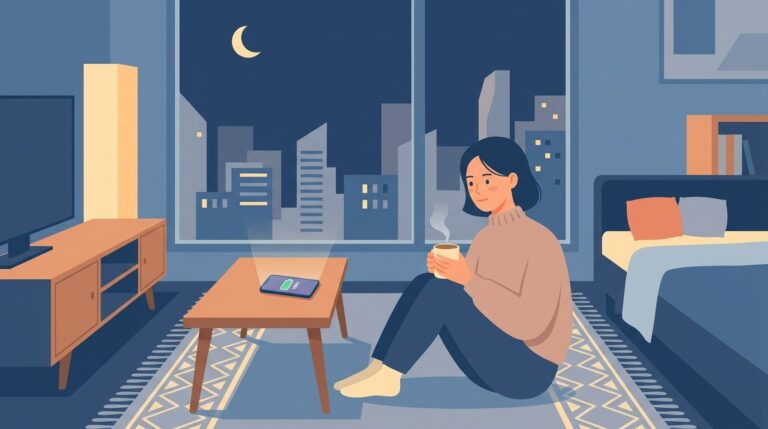
Have you ever watched a K-Drama where the main character, after months of working overtime in a sleek Seoul office, suddenly stares blankly at their computer screen, unable to process a single word? In the K-Drama Run On or Summer Strike, we see characters who choose to completely halt their lives because their “mental battery” has hit 0%.
If you are a high-achieving language learner or professional, you have likely felt this. But when you are exhausted to your core, simply saying “피곤해요” (pigonhaeyo / I’m tired) doesn’t cut it. It doesn’t capture the deep, emotional, and creative drain of burnout.
Today, we are going to dive deep into how Koreans discuss mental health, stress, and burnout (번아웃 증후군 – beon-aut jeunghugun). Understanding these terms isn’t just about expanding your vocabulary; it’s about understanding the high-pressure social landscape of modern Korea and learning how to set boundaries with nuance. Let’s explore how to express our mental states like a true native.
Phase 2: Core Expressions (핵심 표현 3선 심층 분석)
1. 현타가 오다 (Hyeontaga oda)
- Pronunciation: [Hyeon-ta-ga o-da] (Rhymes with “Yawn” + “Tah” + “gah” + “oh-dah”)
- Meaning: Reality hit me / Moment of disillusionment (Spiritual awakening after intense futility)
- K-Culture Moment: Often used in variety shows like Running Man when a member realizes they’ve been utterly tricked, or in dramas when a character realizes they sacrificed their youth for a corporate job that doesn’t care about them.
- Editor’s Insight: Originating from ‘현자타임’ (wise man time), 현타 represents that sudden, cold splash of reality where you ask yourself, “What am I even doing with my life?” It is highly colloquial yet extremely common among young professionals.
- Situation Spectrum: Casual ✅ | Semi-formal ⚠️ | Formal 🚫
- 🤔 Think About It: Is there a single word in your language that captures this specific mixture of sudden clarity, emptiness, and futility?
2. 마음이 지치다 (Ma-eumi jichida)
- Pronunciation: [Ma-eum-i ji-chi-da] (Think of “Mah-um” + “ee” + “jee-chee-dah”)
- Meaning: My soul/heart is exhausted (Beyond physical tiredness)
- K-Culture Moment: This is the phrase healing ballads (like those by IU or Lee Hi) use to comfort listeners. It implies a deep emotional weariness.
- Editor’s Insight: While ‘피곤하다’ is about physical sleep deprivation, 지치다 means your inner reserves are completely depleted. Adding 마음이 (the heart/mind) specifies that your mental resilience has run dry.
- Situation Spectrum: Casual ✅ | Semi-formal ✅ | Formal ✅
- 🤔 Think About It: How does separating physical tiredness (body) from emotional tiredness (mind) change the way you seek help?
3. 무기력증에 빠지다 (Mugiryokjeunge ppajida)
- Pronunciation: [Mu-gi-ryeok-jjeung-e ppa-ji-da] (“Moo-ghee-ryuk-jjeung-eh” + “bah-jee-dah”)
- Meaning: To fall into a state of lethargy/helplessness
- K-Culture Moment: In medical or self-development podcasts, hosts often warn about the dangers of 무기력증 (lethargy) as a core symptom of modern burnout.
- Editor’s Insight: This is a clinical yet widely understood term. It describes the state where you have zero motivation to do even the things you love.
- Situation Spectrum: Casual ⚠️ | Semi-formal ✅ | Formal ✅
- 🤔 Think About It: Why do you think modern society equates a temporary lack of motivation with an illness (증 – syndrome/symptom)?
Phase 3: Textbook Korean vs. Real Korean (교과서 vs. 진짜 한국어)
Situation 1: Explaining why you can’t go out this weekend
- 📖 Textbook Korean: “요즘 스트레스를 많이 받아서 집에서 쉬고 싶어요.” (Yojeum seuteureseureul mani badaseo jibeseo swigo sipeoyo. / I am receiving much stress lately, so I want to rest at home.)
- 🗣️ 진짜 한국어: “요즘 완전 에너지 방전이라 주말엔 좀 널부러져 있으려고요.” (Yojeum wanjeon eneoji bangjeon-ira jumaren jom neolbeureojyeo isseuryeogoyo. / I’m completely drained of energy lately, so I’m planning to just sprawl out/be a potato this weekend.)
- 💡 Why the Difference? Real Koreans use mechanical metaphors like 방전 (battery discharge/dead battery) to describe burnout, and vivid physical descriptions like 널부러져 있다 (to lie sprawled out limply) instead of just “resting.”
Situation 2: Expressing lack of motivation at work
- 📖 Textbook Korean: “일이 재미가 없고 열심히 하고 싶지 않습니다.” (Iri jaemiga eopgo yeolsimhi hago sipji ansumnida. / Work is not fun and I do not want to work hard.)
- 🗣️ 진짜 한국어: “요즘 일태기가 왔나 봐요. 아무것도 손에 안 잡히네요.” (Yojeum iltaegiga wanna bwayo. Amugeotdo sonean japhineyo. / I think I’ve hit a ‘work slump’ (career puberty). Nothing seems to register in my hands.)
- 💡 Why the Difference? 일태기 is a trendy portmanteau of 일 (work) and 권태기 (the stagnation phase of a relationship). Saying 손에 안 잡히다 (cannot be grasped by hands) is the idiomatic way to say you cannot focus.
Phase 4: K-Culture Deep Dive & Non-verbal Manners (비언어적 매너)
4-1. Nunchi (눈치) & Body Language of Exhaustion
In Korea, directly complaining about work burnout can sometimes be perceived as lacking a professional work ethic, especially to seniors. Therefore, Koreans rely heavily on Nunchi (reading the room) and subtle cues:
* The Deep Sigh (한숨 – Hansum): A long, heavy breath out is not just rude; it’s a cultural signifier of carrying heavy burdens. If a colleague sighs deeply, it’s polite to ask softly, “무슨 일 있으세요?” (Is something wrong?).
* Rubbing the temples (관자놀이 누르기): A universal sign, but in Korea, it often precedes an apology for not being fully present.
4-2. Cultural Code: The ‘Burnout’ Generation & “Firemoth” Culture
Korea’s rapid economic development (The Miracle on the Han River) was built on the “빨리빨리” (Palli-palli / Hurry-hurry) and “열정 페이” (Passion Pay) ethos. However, the younger generation (MZ세대) is actively shifting towards “소확행” (small but certain happiness) and “갓생” (God-saeng / Living a highly structured, productive life but balancing it with self-care). Recognizing burnout is no longer seen as a weakness, but as a necessary diagnostic checkpoint for survival.
Phase 5: Real-Life Roleplay Scenario (실전 롤플레이)
Background & Characters
- Ji-ah (지아): A senior project manager who looks composed but is secretly running on fumes.
- Alex (알렉스): Her close foreign colleague (C1 speaker) who notices her unusual quietness during a coffee break.
[Scene: A quiet rooftop garden of an IT company in Pangyo (판교)]

지아: (커피 컵을 멍하니 바라보며) 하아... 오늘 목요일밖에 안 됐다는 게 믿기지 않아요.
      (Haa... oneul mogyoilbakke an dwaetdaneun ge mitgiji anayo.)
      [🎭 Sighing deeply, staring blankly at her coffee cup]
      "Haa... I can't believe it's only Thursday."

알렉스: 지아 씨, 괜찮아요? 요즘 부쩍 말수가 줄어드신 것 같아요.
        (Jia ssi, gwenchanayo? Yojeum bujjeok malsuga jureodeusin geot gatayo.)
        [🎭 Looking at her with genuine concern]
        "Ji-ah, are you okay? You seem to have gotten much quieter lately."

지아: 사실... 저 요즘 완전 번아웃이 온 것 같아요. 일에 통 집중을 못 하겠어요.
      (Sasil... jeo yojeum wanjeon beon-auti on geot gatayo. Ire tong jipjungeul mot hagetseyo.)
      [🎭 Admitting defeat with a weak, dry smile]
      "Actually... I think I have complete burnout lately. I can't focus on work at all."

알렉스: 아... 역시 그랬군요. 혹시 무기력증 같은 것도 같이 왔어요?
        (Ah... yeoksi geuraetgunyo. Hoksi mugiryokjeung gateun geotdo gachi wasseoyo?)
        [🎭 Nodding understandingly, leaning in close]
        "Ah... I knew it. By any chance, did lethargy come along with it?"

지아: 네, 퇴근하면 그냥 불 꺼진 방에 누워서 폰만 봐요. 아무것도 하기 싫더라고요.
      (Ne, tuegoenhamyeon geunyang bul kkeojin bange nuwoseo ponman bwayo. Amugeotdo hagi silteoragoyo.)
      [🎭 Looking down at her shoes guiltily]
      "Yeah, when I get off work, I just lie in a dark room and look at my phone. I don't want to do anything."

알렉스: 그 마음 정말 잘 알아요. 저도 작년에 현타가 세게 와서 고생했거든요.
        (Geu ma-eum jeongmal jal arayo. Jeodo jangnyeone hyeontaga sege waseo gosaenghaetgeodeunyo.)
        [🎭 Patting her shoulder gently]
        "I know that feeling so well. I also suffered last year when reality hit me hard."

지아: 알렉스 씨도 그랬군요... 어떻게 극복하셨어요?
      (Alex ssideo geuraetgunyo... eotteoke geukbokhaseosseoyo?)
      [🎭 Looking up with a glimmer of curiosity]
      "You went through that too, Alex... How did you overcome it?"

알렉스: 전 무조건 일을 집으로 안 가져갔어요. 그리고 퇴근 후엔 일과 관련된 건 아예 오프(Off)로 만들었죠.
        (Jeon mujogeon ireul jibeuro an gajyeogasseoyo. Geurigo tuegon huen ilgwa gwanryeondeon geon aye off-ro mandeoreotjyo.)
        [🎭 Pointing to his phone with a firm smile]
        "I made it a rule never to bring work home. And after work, I completely turned off anything related to tasks."
🔀 Interactive Choice (인터랙티브 분기점)
How should Alex advise Ji-ah next to maintain the best rapport?
- Option A: “지아 씨, 그냥 이번 주말에 연차 쓰고 제주도로 훌쩍 떠나요!” (Ji-ah, just take annual leave this weekend and fly away to Jeju!)
- Option B: “힘내세요! 대한민국 직장인들은 다 그렇게 버텨요.” (Cheer up! All Korean workers endure it like that.)
- Option C: “오늘 퇴근하고 저랑 매운 떡볶이 먹으면서 실컷 수다나 떨까요?” (Shall we grab spicy tteokbokki after work today and gossip to our heart’s content?)
Feedback on Your Choice:
- Option A (Risk): While romantic, suggesting a spontaneous trip to a burnt-out Korean employee might actually feel like another “task” to plan, causing more anxiety.
- Option B (Bad): Saying “everyone else endures it” invalidates her feelings and sounds like a toxic positivity lecture. Avoid “힘내세요” when someone has zero energy left.
- Option C (Best – Match made in Heaven!): Sharing spicy food (매운 음식으로 스트레스 풀기) and venting (수다 떨기) is the ultimate Korean cultural healing ritual. It shows high emotional intelligence.
Phase 6: 10-Second Emotion Shadowing Drill (감정 섀도잉)
Practice saying these with the exact emotional pauses indicated by /.
[🥺 Exhausted and vulnerable]- “요즘은요… / 진짜 손가락 하나 / 움직일 힘도 없어요.”
- Yojeumeun-yo… / jinjja songarak hana / umjigil himdo eopseoyo.
- (These days… / honestly, even a single finger / I don’t have the strength to move.)
[😑 Cynical and empty (The 'Hyeonta' moment)]- “내가 왜 사나… / 싶기도 하고 / 완전 현타 제대로 왔어요.”
- Naega wae sana… / sipgido hago / wanjeon hyeonta jedaeror wasseoyo.
- (I wonder why I live… / and all / reality has hit me dead on.)
Phase 7: K-Culture Mini Dictionary (K-Culture 미니 사전)
- 번아웃 (Beon-aut): Burnout. Widely used in workplaces and mental health YouTube channels.
- 일태기 (Il-tae-gi): A slump or loss of interest in one’s career. (Work + Stagnation period).
- 멍때리다 (Meong-tteo-ri-da): To zone out completely. Korea even has a national “Spacing Out Competition” (멍때리기 대회) to promote mental rest!
- 방전 (Bang-jeon): Depleted battery. Used metaphorically when your social or physical energy is at absolute zero.
Phase 8: Survivor’s Kit for Travelers (여행자를 위한 생존 키트)
Survival Expressions TOP 3
- “조금 쉬어 가고 싶어요.” (Jogeum swieo gago sipeoyo.)
- Pro Tip: Use this when a tour, hike, or itinerary is too grueling and you need a break without sounding demanding.
- “조용한 자리로 부탁드려요.” (Joyonghan jariro butakdeuryeoyo.)
- Pro Tip: Perfect when you need a quiet spot in a hectic Seoul cafe to recharge your introverted battery.
- “힐링이 필요해요.” (Healing-i piryohaeyo.)
- Pro Tip: In Korea, “Healing” is a major keyword. Expressing that you need a healing experience will guide locals to suggest quiet temples or nature retreats.
📌 Editor’s Travel Note
If you feel overwhelmed by the fast pace of Seoul, look up “템플스테이” (Temple Stay) or download the 네이버 지도 (Naver Map) app to search for a “숲속 카페” (Cafe in the forest) near Bukhansan. It works wonders for mental reset. Disclaimer: Temple stay reservations are subject to seasonal availability.
Phase 9: Deep Thoughts on Korean Society (한 발 더 깊이)
In Korea, there is a concept called “정 (Jeong)”—a deep, collective emotional attachment and affection. While this creates an incredibly warm and safe society, it also means boundaries between the individual and the community can sometimes blur. This lack of personal boundaries often contributes to the high rate of burnout among young Koreans, who feel pressure to meet societal, familial, and corporate expectations.
Learning how to say “no” politely using phrases like “제가 요즘 여력이 없어서요” (I don’t have the mental/physical bandwidth lately) is an essential skill for navigating modern Korea.
💬 Your Turn: Have you ever felt burnout while studying a language? What is your favorite way to recharge? Let us know in the comments below!
Phase 10: FAQ & Common Mistakes (자주 묻는 질문)
Q: Can I use “피곤해요” (pigonhaeyo) to describe burnout?
A: Not quite. 피곤해요 implies physical sleepiness. If you worked late last night, you are 피곤해요. But if you have been unhappy at your job for six months and cannot find the meaning of life, you should say “번아웃이 온 것 같아요” or “지쳤어요.”
Q: What is the difference between ‘지치다’ and ‘힘들다’?
A: 힘들다 (himdeulda) is general difficulty (“This task is hard”). 지치다 (jichida) means you have run out of energy to face that difficulty. You can struggle (힘들다) but still have energy, but once you are 지쳤다, you are completely done.
Q: Is it socially acceptable to talk about mental health in Korea?
A: Yes, the stigma has decreased significantly over the last decade. While older generations might still be conservative, younger Koreans openly share their therapy journeys and burnout diagnoses.
🚨 Common Mistakes Alert!
- Mistake 1: Saying “저 스트레스 받았어요” (Jeo seuteureseu badasseoyo) to mean “I am currently stressed.”
- Correction: That means “I received stress (past tense)”. To say you are currently stressed out, say “스트레스가 쌓였어요” (Stress has accumulated) or “스트레스 너무 받아요” (I’m receiving so much stress).
- Mistake 2: Translating “I have no energy” as “힘이 없어요” in an emotional context.
- Correction: 힘이 없다 usually means lack of physical muscle power or physical illness. For emotional/mental energy depletion, use “기운이 없어요” (giuni eopseoyo) or “에너지가 방전됐어요.”
Phase 11: Action Mission (액션 미션)
- 🥉 Bronze Mission: Look at yourself in the mirror tonight and say: “오늘 하루도 수고했어.” (You did well today too.)
- 🥈 Silver Mission: Write a journal entry or a social media caption in Korean using the word 현타 or 일태기 to describe a recent slump.
- 🥇 Gold Mission: Use the phrase “마음이 지치다” or “방전되다” in your next conversational Korean practice with a native friend!
Phase 12: Interactive Quiz Challenge (퀴즈 챌린지)
Test your understanding of Korean mental care expressions!
1. Which expression best fits the feeling of looking at your unfinished tasks and feeling completely empty and disillusioned?
- A) 피곤해요
- B) 현타가 왔어요
- C) 신나요
2. Fill in the blank: “요즘 진짜 아무것도 하기 싫은 _________에 빠진 것 같아.”
- A) 일태기
- B) 무기력증
- C) 에너지
👉 Click here to reveal the answers!
- Answer: B) 현타가 왔어요. (A represents mere sleepiness, and C means excited. B perfectly captures the disillusionment of reality crashing down.)
- Answer: B) 무기력증 (The sentence translates to: “I think I fell into a state of lethargy where I don’t want to do anything lately.” 무기력증 is lethargy, while 일태기 is work-slump which doesn’t fit the ‘falling into a -증(syndrome)’ grammar pattern as smoothly here.)






