

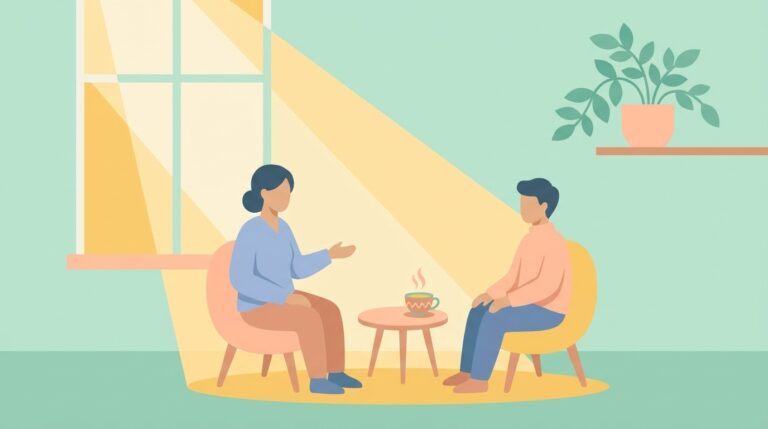
Healing Minds: Navigating Youth Crisis Intervention in Korean with Deep Empathy
Phase 1: Empathy (Story-Driven Opening)
안녕하세요! Welcome back to Daily Hangul. I’m your chief editor and local culture navigator.
If you have watched the heartbreaking yet beautiful K-Dramas Tomorrow (내일) or Daily Dose of Sunshine (정신병동에도 아침이 와요), you have seen how deeply Korean society is grappling with youth mental health. Behind the neon lights of Seoul lies an intense, high-pressure environment where young minds often carry silent, heavy burdens.
As an advanced (C2) Korean learner, your language journey goes far beyond ordering food or talking about K-pop. You might find yourself in a position where a younger colleague, a student, or a dear friend reaches out to you in their darkest hour. How do you intervene? How do you offer a lifeline in Korean without sounding clinical, intrusive, or dismissive?
Today, we will master the delicate, highly empathetic language used in crisis counseling and youth intervention. This guide was crafted with insights from local youth counselors to ensure your words carry genuine warmth, cultural respect, and lifesaving empathy.
Phase 2: Core Expressions Deep Dive
1. 그동안 혼자서 참 힘들었지? (Geudong-an honjaseo cham himdeureotji?)
- Pronunciation: Geu-dong-an (sounds like “goodong-an” without the ‘u’ sound) hon-ja-seo cham him-deu-reot-ji?
- Meaning: “It must have been so incredibly hard for you on your own all this time, right?”
- K-Culture Moment: This is the iconic line spoken by empathetic counselors or caring mentors in K-dramas when a struggling teen finally breaks down and cries. It instantly validates their silent struggle.
- Editor’s Insight: In Korea’s collectivist society, admitting personal struggles is often viewed as being weak or a burden to others. By saying 그동안 혼자서 (all this time, alone), you acknowledge their invisible isolation. The soft ending -지? invites them to agree and open up without feeling pressured.
- Situation Spectrum:
- Casual (Friends/Teens): ✅ 그동안 혼자 참 힘들었지?
- Semi-formal (To a younger client/student): ✅ 그동안 혼자서 정말 힘들었겠어요.
- Formal (Official counseling): ⚠️ 그간 홀로 견디시느라 무척 고통스러우셨으리라 생각됩니다.
- 🤔 Think About It: How does your native language express empathy for someone who has suffered in silence? Does it emphasize “aloneness” the way Korean does?
2. 네 잘못이 아니야. 네가 부족해서 그런 게 절대 아니야. (Ne jalmosi aniya. Nega bujokhaeseo geureon ge jeoldae aniya.)
- Pronunciation: Ne (sounds like ‘neh’) jal-mo-si a-ni-ya. Ne-ga bu-jok-hae-seo geu-reon ge jeol-dae a-ni-ya.
- Meaning: “It’s not your fault. It’s absolutely not because you are lacking in any way.”
- K-Culture Moment: Often used when dealing with victims of school bullying (hak-pok, 학교폭력) or academic burnout. It directly combats the internalized shame (jach책, 자책) common in Korean youth.
- Editor’s Insight: The word 부족하다 (to be lacking/insufficient) is a major trigger word for Korean youth who are constantly compared to peers (eom-chin-ah, 엄마 친구 아들/엄친아 syndrome). Reassuring them that their pain is not due to a personal flaw is crucial.
- Situation Spectrum:
- Casual: ✅ 네 잘못이 아니야.
- Semi-formal: ✅ OO 씨 잘못이 아니에요. 절대 스스로를 탓하지 마세요.
- Formal: ⚠️ 이것은 귀하의 과실이나 역량 부족으로 인한 문제가 아닙니다.
- 🤔 Think About It: Why is addressing “insufficiency” or “fault” so crucial when talking to someone in a highly competitive society?
3. 네가 안전했으면 좋겠어. 그게 지금 나한테는 제일 중요해. (Nega anjeonhaesseumyeon jokesseo. Geuge jigeum nahanteneun jeil jung-yohae.)
- Pronunciation: Ne-ga an-jeon-haess-eu-myeon jo-kess-eo. Geu-ge ji-geum na-han-te-neun je-il jung-yo-hae.
- Meaning: “I want you to be safe. That is what matters most to me right now.”
- K-Culture Moment: This phrase is used as a direct, non-judgmental intervention when a counselor suspects active self-harm (jahae, 자해) or suicidal ideation (jasal chungdong, 자살 충동).
- Editor’s Insight: Instead of demanding “Stop doing that!” which causes guilt, framing it around 안전 (safety) and 나한테는 제일 중요해 (most important to me) shows that their life has profound value to someone else.
- Situation Spectrum:
- Casual: ✅ 네가 정말 안전했으면 좋겠어.
- Semi-formal: ✅ OO 학생이 안전하길 바라요. 저에겐 그게 가장 중요합니다.
- Formal: ✅ 당신의 안전이 최우선입니다. 이를 위해 최선을 다해 돕겠습니다.
Phase 3: Textbook Korean vs. Real Korean
Situation 1: Asking if they have had suicidal thoughts
- 📖 Textbook Korean: 혹시 자살할 생각을 해본 적이 있습니까? (Do you have history of suicide planning? – Sounds cold and clinical)
- 🗣️ Real Korean: 요즘… 모든 걸 내려놓고 싶다거나, 차라리 사라지고 싶다는 생각이 든 적이 있어? (Lately… have you felt like you want to let go of everything, or just disappear?)
- 💡 Why the difference? Directly using the word 자살 (suicide) can sometimes scare a vulnerable youth into closing up. Using soft, metaphorical expressions like 모든 걸 내려놓다 (letting go of everything) or 사라지고 싶다 (wanting to disappear) matches the actual emotional vocabulary of youth in crisis.
Situation 2: Stopping self-harm behavior
- 📖 Textbook Korean: 자해를 멈추고 저와 약속을 하세요. (Stop self-harming and make a promise with me.)
- 🗣️ Real Korean: 네 몸도 마음도 더 이상 다치지 않았으면 좋겠어. 우리 같이 버텨볼 수 있는 다른 방법을 찾아볼까? (I hope your body and mind don’t get hurt anymore. Shall we find another way to hold on together?)
- 💡 Why the difference? Command-style prohibitions make youth feel policed. By shifting the focus to protecting their 몸과 마음 (body and mind) and offering collaborative support (우리 같이, we together), you reduce resistance.
Phase 4: K-Culture Deep Dive & Non-verbal Manners
4-1. Nunchi (눈치) & Silent Non-verbal Cues in Crisis
In Korean mental health contexts, what is not said is often more important than what is said.
* Lowered Gaze (시선 처리): Korean youth in crisis will rarely look you in the eyes. Avoid staring directly or intensely demanding eye contact. Keep a soft, slightly angled posture.
* Sighing (한숨): In Korean culture, a deep sigh (한숨) is the physical release of accumulated Han (한) or deep sorrow. When they sigh, do not interrupt. Allow the silence to breathe.
* Nodding with Empathy (고개 끄덕임): Slow, deep nods accompanied by low vocalizations like “응… 그랬구나…” (Yes… I see…) signal that you are holding space for them without judgment.
4-2. Cultural Code: The Weight of “Hak-eop Stress” (학업 스트레스) and Family Honor
To understand Korean youth crisis, you must understand the crushing weight of academic expectations. From Yajon (야자 – late-night self-study) to Hagwon (학원 – cram schools), teens are often viewed through the lens of their grades. Often, self-harm or suicidal thoughts stem from the fear of disappointing their parents (부모님을 실망시킬까 봐). Your intervention must respect this family dynamic while keeping the youth’s safety as the absolute center.
Phase 5: Interactive Roleplay Scenario
Character Profile:
* Min-ji (민지): An 18-year-old high school senior struggling with severe depression, academic burnout, and self-harm scars.
* You (상담사/멘토): A compassionate mental health mentor/counselor trying to establish trust and ensure safety.
[Scene: A quiet, cozy counseling room in a youth welfare center in Seoul. Min-ji sits huddled, picking at her sleeves.]

민지: (고개를 숙이고 개미 기어가는 목소리로) ...그냥 다 끝내고 싶어요. 제가 없어지는 게 차라리 부모님한테도 나을 것 같아요.

You: (🎭 몸을 살짝 앞으로 기울이며 다정하게) 민지야, 그동안 혼자서 이 무거운 마음을 안고 버텨내느라 정말 고생 많았어.

민지: (눈물이 고인 채) 아무도 제 마음을 몰라요... 공부를 잘해도, 못해도 항상 부족한 사람 취급만 받는 것 같아요.

You: (🎭 민지의 손을 가만히 바라보며) 많이 외롭고 힘들었겠다. 네 잘못이 아니야. 네가 부족해서 그런 게 절대 아니란다.

민지: (소매를 더 내리며 자해 흉터를 숨기려 한다) 저... 제가 한 짓을 보면 다들 실망하고 미쳤다고 할 거예요.

You: (🎭 따뜻하고 안정감 있는 목소리로) 민지야, 난 절대 실망하지 않아. 숨기지 않아도 돼. 난 네가 안전했으면 좋겠어.

민지: (조심스럽게 당신을 쳐다보며) 정말... 저 안 미워하실 거예요? 저 도와주실 수 있어요?

You: (🎭 깊이 고개를 끄덕이며 미소를 지어 보인다) 당연하지. 우리 같이 천천히 다른 길을 찾아보자. 혼자 두지 않을게.
🔀 Interactive Choice Point
Min-ji starts crying uncontrollably and confesses that she has tools for self-harm in her backpack. How do you respond?
- [Choice A] “민지야, 그 가방 지금 당장 나한테 넘겨줄 수 있겠니? 너를 위해 압수할게.” (Min-ji, can you hand over that bag to me right now? I will confiscate it for you.)
- [Choice B] “민지야, 많이 두려웠겠다. 그 도구들이 없으면 지금 당장 너무 불안하겠지만, 네가 안전하기 위해서 우리 잠깐만 저 테이블 위에 꺼내두는 건 어떨까?” (Min-ji, you must have been so scared. It might feel very uneasy without those tools right now, but to keep you safe, how about we place them on the table just for a bit?)
- [Choice C] “자해를 계속하면 더 큰 일이 날 수도 있어. 부모님께 연락을 드려야 해.” (If you keep self-harming, worse things could happen. I need to contact your parents.)
Feedback on Your Choice:
- Choice A (Risk – 경고): Direct confiscation (압수) violates her autonomy and breaks the fragile trust. She might feel policed and withdraw.
- Choice B (Best – 최선): Highly empathetic! It acknowledges her fear and anxiety about losing her unhealthy coping mechanism, but gently guides her toward voluntary safety without force.
- Choice C (Bad – 최악): Threatening parental contact immediately when she is highly vulnerable triggers fear of punishment and family shame. She may close off entirely.
Phase 6: 10-Second Emotion Shadowing Drill
Practice these lines with the indicated emotional markers and pauses (/) to master the comforting tone of a professional Korean counselor.
[🥺 Gently, with deep empathy and soft eyes]- Sentence: 그동안 / 혼자서 / 참 / 힘들었지? / 이제 내가 / 같이 있어 줄게.
- Pronunciation Guide: Geu-dong-an / hon-ja-seo / cham / him-deu-reot-ji? / i-je nae-ga / ga-chi i-sseo jul-ge.
[😔 Firmly but warmly reasssuring]- Sentence: 절대로 / 네 잘못이 아니야. / 스스로를 / 너무 몰아세우지 마.
- Pronunciation Guide: Jeol-dae-ro / ne jal-mo-si a-ni-ya. / Seu-seu-ro-reul / neo-mu mo-ra-se-u-ji ma.
[❤️ Warmly, establishing a lifeline of safety]- Sentence: 네가 안전하게 / 버텨주는 것, / 나한테는 / 그게 가장 중요해.
- Pronunciation Guide: Nega an-jeon-ha-ge / beot-yeo-ju-neun geot, / na-han-te-neun / geu-ge ga-jang jung-yo-hae.
Phase 7: K-Culture Mini Dictionary
- 자해 (Jahae) | Self-harm
- Usage: Often discussed in mental health intervention contexts. Korean counselors approach this as a coping mechanism for unbearable pain rather than simple attention-seeking.
- 마음방역 (Maum-bangyeok) | Mental/Emotional Quarantine (Resilience)
- Usage: A term popularized post-COVID-19 in Korea to describe preventive care for one’s mental wellness.
- 학업 스트레스 (Hageop Seuteureseu) | Academic Stress
- Usage: The root cause of many youth mental crises in Korea, referring to the intense pressure regarding exams, college entrance (Suneung), and social expectations.
- 위기 청소년 (Wigi Cheongsonyeon) | Youth in Crisis
- Usage: The formal sociological and counseling term used by social welfare agencies to describe vulnerable teenagers needing immediate support.
Phase 8: Emergency Survival Kit for Allies
If you ever need to support a Korean youth in danger, keep these three survival phrases ready:
- 지금 너무 버거우면 아무 말 안 해도 돼. 그냥 곁에 있을게.
- Pronunciation: Jigeum neomu beogeo-umyeon amu mal an haedo dwae. Geunyang gyeote isseulge.
- Pro Tip: Perfect for when a youth is shut down and unable to speak. It takes the pressure off.
- 내가 어떻게 도와주면 네 마음에 조금이라도 위로가 될까?
- Pronunciation: Naega eotteohge dowajumyeon ne maeume jogumirado wiroga doelkka?
- Pro Tip: Shifts control back to them, showing you respect their agency.
- 너를 꼭 돕고 싶어. 전문 상담 선생님과 함께 이야기해 보는 건 어떨까?
- Pronunciation: Neoreul kkok dopgo sipeo. Jeonmun sangdam seonsaengnim-gwa hamkke iyagihae boneun geon eotteolkka?
- Pro Tip: Gently bridging them toward professional medical or therapeutic services.
📝 Editor’s Travel Note: Vital Resources
If you are in Korea and encounter a teenager in crisis, please connect them to professional resources immediately. You can recommend the Teens Youth Safety Net 1388 Helpline (청소년전화 1388), which offers 24/7 counseling via call, text, or KakaoTalk. For foreigners, The Seoul Global Center provides basic supportive counseling services in multiple languages.
Phase 9: “한 발 더 깊이” (Deepening Our Thinking)
In Korean culture, the concept of Jeong (정)—the invisible bond of affection and mutual responsibility—is our greatest weapon against crisis. While intense social competition can isolate individuals, deep Jeong allows us to step into each other’s lives and carry burdens together. Asking a struggling youth, “밥은 먹었니?” (Have you eaten?) is not just a query about food; it is a profound cultural act of caring for their physical and spiritual survival.
💬 Your Turn
How is youth crisis handled differently in your country compared to Korea? Let’s talk in the comments below!
Phase 10: FAQ & Common Mistakes
Q: Can I use formal polite language (존댓말) when intervening with a teen in crisis?
A: Yes, you can! While banmal (반말) can feel warmer, using respectful, soft honorifics (존댓말) like “OO 씨, 그동안 정말 힘드셨죠?” provides a healthy emotional boundary and makes them feel respected as an individual adult-to-be.
Q: What if they refuse to talk to me?
A: Do not force it. In Korea, forced conversations feel like interrogations. Say: “얘기하고 싶지 않다면 그냥 여기 같이 있자.” (If you don’t want to talk, let’s just sit here together.) Your calm presence is already therapeutic.
Q: Is self-harm openly discussed in Korean schools?
A: Unfortunately, it remains highly stigmatized. Schools are legally mandated to have counseling rooms (Wee Class, 위클래스), but many students avoid going there for fear of rumors. Your private, confidential support is incredibly valuable.
🚨 Common Mistakes in Crisis Intervention
| Wrong Expression / Action | Why it’s dangerous | Correct Action |
|---|---|---|
| “죽을 용기로 살아라.” (Live with the courage you have to die) | Highly invalidating. Dismisses clinical depression as a mere lack of willpower. | “지금까지 버텨준 것만으로도 대단한 거야.” (Holding on until now is already amazing.) |
| Calling their parents immediately without warning | Completely breaks trust and may put them in immediate danger at home. | “네가 준비가 되었을 때, 부모님께 어떻게 말씀드릴지 함께 고민해 보자.” (Let’s think together how to tell them when you are ready.) |
| “네 나이 때는 다 힘든 법이야.” (Everyone is struggling at your age) | Minimizes their unique pain as standard growing pains. | “너한테는 지금 이 문제가 세상에서 가장 무겁게 느껴질 수 있어. 내가 귀 기울여 들을게.” (To you, this might feel like the heaviest thing in the world. I’ll listen closely.) |
Phase 11: Action Mission & Engagement
- Bronze Mission (Solo): Record yourself saying “그동안 혼자서 참 힘들었지?” using a voice recorder. Focus on maintaining a soft, falling intonation at the end to maximize comfort.
- Silver Mission (Social): Post a message of encouragement on your Instagram or Twitter using the hashtags
#매일한글 #DailyHangul #마음방역to raise awareness for youth mental health. - Gold Mission (Real Life): Watch an episode of Tomorrow or Daily Dose of Sunshine. Try to catch when characters say “네 잘못이 아니야” and write down the context of their conversation.
Phase 12: Interactive Quiz Challenge
1. Situation Analysis
A student says, “부모님의 기대를 저버릴 수가 없어요. 죽고 싶어요.” (I can’t disappoint my parents’ expectations. I want to die.) Which response is most appropriate?
* A) “네가 공부를 더 열심히 하면 부모님도 기뻐하실 거야.” (If you study harder, your parents will be happy.)
* B) “부모님 생각도 중요하지만, 지금은 네 마음과 안전이 가장 최우선이야.” (Your parents’ thoughts are important, but right now, your mind and safety are the absolute priority.)
Reveal Answer & Explanation
- Correct Answer: B
- Why: Option A invalidates their existential pain and increases academic pressure. Option B respects their cultural context (valuing parents) while gently pivoting the focus entirely to the student’s immediate survival and well-being.
2. Fill-in-the-Blank
Fill in the blank with the appropriate word to make a supportive, non-judgmental sentence:
“네가 ______________ 좋겠어. 그게 지금 나한테 제일 중요해.”
(I hope you are safe. That’s the most important thing to me right now.)
Reveal Answer & Explanation
- Correct Answer: 안전했으면 (anjeonhaesseumyeon)
- Why: “안전하다” means to be safe. Combining it with “-었으면 좋겠어” forms the soft conditional wish: “I wish/hope you are safe.”
3. True/False Culture Quiz
Statement: When counseling a Korean teenager, it is highly recommended to make continuous, strong eye contact to show you are paying absolute attention.
Reveal Answer & Explanation
- Correct Answer: False (X)
- Why: In Korea, continuous, intense eye contact can feel confrontational or authoritative, especially to a vulnerable youth in crisis. A gentle, soft gaze directed slightly away or looking down occasionally is much more comforting and respectful.






