
Skip to content
Daily Hangul

Demystifying Korean Military Talk: How to Discuss Soldier Salaries and Service Changes Like a Local
Demystifying Korean Military Talk: How to Discuss Soldier Salaries and Service Changes Like a Local - Daily Hangul

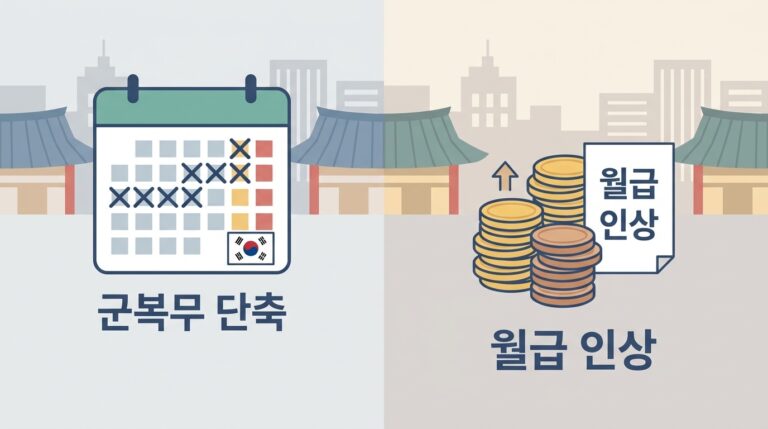
Phase 1: Empathy (Immersive Open)\n\nHello! I am the Daily Hangul Editor, your local culture navigator and veteran tutor.\n\nPicture this: You are watching a hit K-Drama like D.P., completely absorbed in the intense reality of Korean military life. Or maybe you are a dedicated K-Pop fan who has meticulously counted down the 18 months until your favorite idol’s discharge. You notice that whenever the topic of the military comes up in Korea, the atmosphere shifts. Recently, Korean news has been flooded with debates about the ‘Plan to Shorten Military Service and Increase Sergeant Salaries.’ \n\nWhen you sit at a BBQ restaurant with your Korean friends, and the older generation starts sighing over a glass of soju while the younger generation vehemently defends the new policies, you might feel lost. The dictionary translates these words simply, but in reality, this topic carries decades of socio-cultural weight, gender dynamics, and generational conflict. Knowing how to navigate this conversation doesn’t just improve your Korean; it proves you deeply understand Korean society.\n\nThis guide is crafted from the real experiences of advanced (C2) learners who wanted to move beyond textbook pleasantries and dive into profound socio-political debates with locals. Let us master the language of Korean military discourse together!\n\n—\n\n## Phase 2: Core Expressions Deep Dive\n\n### 1. 군 복무 기간 단축\n\n* Pronunciation: gun bokmu gigan danchuk [goon bok-moo gee-gan dahn-chook]\n* Meaning: Literal: Shortening of the military service period. / Real Nuance: The politically charged reduction of mandatory conscription time, often a hot-button issue during presidential elections.\n* K-Culture Moment: Think of K-Pop fandoms cheering because the agonizing wait time (once over 2 years) is now down to 18 months for the Army. However, on the news, defense experts debate if this compromises national security.\n* Editor’s Insight: At a C2 level, you shouldn’t just say ‘군대가 짧아졌어요’ (The military got shorter). Using the Sino-Korean term ‘단축’ (shortening) shows intellectual fluency. It is a formal term, yet frequently used in everyday news debates.\n* Situation Spectrum:\n * Casual friends: ✅\n * Co-workers: ✅\n * Formal Debates/Superiors: ✅\n* 🤔 Think About It: Why is shortening military service used as a major political pledge in Korea? How does mandatory conscription affect the career timelines of young Korean men compared to your home country?\n\n### 2. 병장 월급 인상\n\n* Pronunciation: byeongjang wolgeup insang [byuhng-jahng wuhl-geup in-sahng]\n* Meaning: Literal: Sergeant monthly wage increase. / Real Nuance: The government’s plan to raise the compensation for conscripted soldiers to a livable wage, shifting the paradigm of ‘patriotic sacrifice.’\n* K-Culture Moment: In K-Dramas set in the early 2000s, soldiers are seen buying cheap snacks because their monthly pay was less than $100. Today, discussions about raising it to 2 million won (approx. $1,500) spark intense generational debates at company dinners.\n* Editor’s Insight: This phrase is the ultimate ice-breaker (or debate starter) among Korean men. The word ‘인상’ (increase) is crucial for discussing economics and policies.\n* Situation Spectrum:\n * Casual friends: ✅\n * Co-workers: ✅\n * Formal Debates/Superiors: ✅\n* 🤔 Think About It: Does paying conscripted soldiers a minimum wage change the definition of ‘duty’? How might older generations who served for almost zero pay react to this?\n\n### 3. 처우 개선이 시급하다\n\n* Pronunciation: cheou gaeseoni sigeuphada [chuh-oo gae-sun-ee shee-geup-hah-dah]\n* Meaning: Literal: Improvement of treatment is urgent. / Real Nuance: It is imperative to upgrade the welfare, living conditions, and compensation for soldiers.\n* K-Culture Moment: This is the exact phrase a passionate journalist or a protagonist in a legal/military K-Drama would use when exposing poor conditions on a military base.\n* Editor’s Insight: This is a high-level academic and journalistic phrase. Using ‘처우’ (treatment/working conditions) instead of just ‘환경’ (environment) instantly marks you as an advanced, highly educated speaker.\n* Situation Spectrum:\n * Casual friends: ⚠️ (A bit too formal for chatting)\n * Co-workers: ✅\n * Formal Debates/Superiors: ✅\n* 🤔 Think About It: Korean society relies heavily on the concept of ‘sacrifice for the collective.’ How does the phrase ‘처우 개선’ signal a shift toward individual rights in modern Korea?\n\n—\n\n## Phase 3: Textbook vs. Real Korean\n\nDiscussing the Salary Increase\n* 📖 Textbook Korean: 군인들의 월급이 올라서 다행입니다. (I am glad the soldiers’ salaries have increased.)\n* 🗣️ Real Korean: 요즘 병장 월급 많이 올랐다며? 라떼는 상상도 못 할 금액이지. (I hear sergeants’ salaries went up a lot these days? Unimaginable back in my day.)\n* 💡 Why is it different?: Using ‘라떼는’ (a slang derived from ‘나 때는’ meaning ‘Back in my day’) perfectly captures the slightly envious but nostalgic tone of older Korean men.\n\nDiscussing the Service Period\n* 📖 Textbook Korean: 복무 기간이 단축되어서 좋습니다. (It is good that the service period is shortened.)\n* 🗣️ Real Korean: 야, 18개월이면 진짜 눈 깜짝할 새다. 캠핑 가는 수준 아니냐? (Hey, 18 months is a blink of an eye. Isn’t that just going camping? – Note: Often said jokingly/sarcastically by older generations)\n* 💡 Why is it different?: Older generations who served 26-30 months often use hyperbole (‘like going camping’) to playfully tease the younger generation’s shorter service time.\n\n—\n\n## Phase 4: Cultural Context — K-Culture Deep Dive\n\n### 4-1. Non-verbal Elements & Nunchi\nWhen military topics arise, observe the ‘Nunchi’ (social awareness). Older Korean men might puff out their chests or let out a deep sigh of nostalgia. However, be incredibly cautious: if someone did not serve (due to medical or personal reasons), probing them about it is a massive social taboo. The atmosphere might suddenly freeze. Use your Nunchi to change the subject if someone remains unusually quiet.\n\n### 4-2. The K-Pop & K-Drama Connection\nThe military is the great equalizer in Korea. In K-Pop, the ‘military hiatus’ is a monumental test of fandom loyalty. Fans proudly call themselves ‘Gomsin’ (Rubber shoes, meaning someone waiting for a soldier) and celebrate ‘Kkotsin’ (Flower shoes, when the soldier returns). \n\nHistorically, fans suffered through 2-year silences. But with the recent 군 복무 단축 (shortening of service) and the policy allowing soldiers to use smartphones after hours, idols can now post on Weverse from their barracks! This policy change didn’t just improve soldiers’ lives; it completely revolutionized K-Pop fan culture. Meanwhile, media like D.P. serves as a stark reminder that despite shorter terms and higher pay (병장 월급 인상), the psychological weight of conscription remains profoundly heavy.\n\n—\n\n## Phase 5: Real-Life Roleplay Scenario\n\nSetting: Friday night, 8:00 PM. A noisy Samgyeopsal (pork belly) restaurant in Gangnam. Sizzling meat, clinking soju glasses. You are having a team dinner with your Korean colleagues.\nCharacters:\n* YOU: An expat professional who closely follows Korean news.\n* Min-su (45): A senior manager. Served in the military 20 years ago. Loves ‘Back in my day’ stories.\n* Ji-hoon (25): A junior employee who recently finished his service.\n\nMin-su: 요즘 뉴스 보니까 병장 월급이 200만 원까지 오른다며? 세상 진짜 좋아졌어.\n(Yojeum nyuseu bonikka byeongjang wolgeubi ibaekman wonkkaji oreundamyeo? Sesang jinjja joajyeosseo.)\n[Looking at the news lately, they say the sergeant’s salary is going up to 2 million won? The world has really gotten better.]\nStage Direction: Min-su flips the pork belly, shaking his head with a wistful smile.\n\nJi-hoon: 에이, 부장님. 그래도 물가 오르는 거 생각하면 여전히 부족하죠. 청춘을 바치는 건데요.\n(Ei, bujangnim. Geuraedo mulga oreuneun geo saenggakhamyeon yeojeonhi bujokhajyo. Cheongchuneul bachineun geondeyo.)\n[Come on, Boss. But considering inflation, it’s still not enough. We are sacrificing our youth.]\n\nMin-su: 야, 우리 때는 월급 만 몇천 원 받고 삽질했어! 복무 기간도 단축돼서 18개월이라며? 완전 캠핑이지.\n(Ya, uri ttaeneun wolgeup man myeotcheon won batgo sapjilhaesseo! Bokmu gigando danchukdwaeseo sippalgaeworiramyeo? Wanjeon kaemping-iji.)\n[Hey, in our time, we got paid like ten-something-thousand won and shoveled dirt! And the service period is shortened to 18 months, right? It’s totally camping.]\nStage Direction: Min-su raises his soju glass, looking at you for agreement.\n\nYOU: 부장님, 그래도 군대는 군대잖아요. 자유가 통제되니까 정신적으로 힘들 것 같은데요.\n(Bujangnim, geuraedo gundaeneun gundaejanayo. Jayuga tongjedoenikka jeongsinjeogeuro himdeul geot gateundeyo.)\n[Boss, still, the military is the military. Since freedom is restricted, it must be mentally tough.]\n\nMin-su: 오~ 땡땡 씨가 한국 문화를 제대로 아네! 맞아, 자유가 없다는 게 제일 힘들지.\n(O~ [Name]-ssiga hanguk munhwareul jedaero ane! Maja, jayuga eopdaneun ge jeil himdeulji.)\n[Oh~ [Name] really understands Korean culture! Right, not having freedom is the hardest part.]\n\nJi-hoon: 맞습니다. 스마트폰 쓸 수 있어도, 훈련의 강도나 스트레스는 예전이나 지금이나 똑같아요.\n(Matseumnida. Seumateupon sseul su isseodo, hunnyeonui gangdona seuteureseuneun yeojeonina jigeumina ttokgatayo.)\n[That’s right. Even though we can use smartphones, the intensity of training and stress are the same as before.]\n\nMin-su: 하긴, 그 나이에 사회랑 단절되는 게 쉽진 않지. 그래도 국가를 위해 희생하는 후배들 보면 짠해.\n(Hagin, geu naie sahoerang danjeoldoeneun ge swipjin anchi. Geuraedo gukkareul wihae huisaenghaneun hubaedeul bomyeon jjanhae.)\n[I guess so, being cut off from society at that age isn’t easy. Still, seeing the juniors sacrifice for the country makes my heart ache.]\n\n> 🔀 Your Turn! How do you respond?\n> * A) 그래서 병장 월급 인상과 처우 개선이 반드시 필요하다고 생각합니다. (Very logical, perfect C2 response)\n> * B) 부장님 때는 진짜 고생하셨겠네요. 짠짠! (Flatters the boss, avoids the political debate)\n> * C) 한국 군대 너무 불쌍해요. (Too blunt and condescending)\n>\n> ✅ Best Choice: A or B. For advanced fluency, A is excellent to keep the intellectual conversation going. B is the ultimate ‘Nunchi’ social survival choice to keep the mood light and focused on drinking.\n> ⚠️ Choice C Analysis: Using ‘불쌍해요’ (pitiful) strips away the dignity of their service. Never pity their service; respect their sacrifice instead.\n\nMin-su: 그래! 오늘 우리 땡땡 씨가 말 참 잘하네. 자, 건배하자! 대한민국의 처우 개선을 위하여!\n(Geurae! Oneul uri [Name]-ssiga mal cham jalhane. Ja, geonbaehaja! Daehanmingugui cheou gaeseoneul wihayeo!)\n[Right! Our [Name] speaks so well today. Now, let’s toast! To the improvement of treatment in South Korea!]\nStage Direction: Everyone clinks glasses together enthusiastically.\n\n—\n\n## Phase 6: 10-Second Shadowing Drill\n\nFocus on a serious, intellectual tone, placing emphasis on the key nouns.\n\n😤 군 복무 / 단축과 / 병장 월급 / 인상은 /\n(gun bokmu / danchukgwa / byeongjang wolgeup / insang-eun /)\n[The shortening of military service and the sergeant salary increase…]\n\n😤 청년들의 / 정당한 / 권리입니다.\n(cheongnyeondeurui / jeongdanghan / gwolli-imnida.)\n[…are the rightful rights of the youth.]\n\n—\n\n## Phase 7: K-Culture Mini Dictionary\n\n1. 군부심\n* Romanization: gunbusim\n* English: Military Pride\n* Context: A portmanteau of 군대 (Military) + 자부심 (Pride). Refers to the immense, sometimes exaggerated, pride older men take in having completed their grueling service.\n\n2. 라떼는 말이야\n* Romanization: latteneun mariya\n* English: Back in my day…\n* Context: A sarcastic play on the phrase ‘나 때는 말이야’ (In my time…). It mocks the older generation’s tendency to lecture the youth about how much harder things used to be, especially regarding the military.\n\n3. 고무신 (곰신)\n* Romanization: gomusin (gomsin)\n* English: Rubber shoes\n* Context: Represents a girlfriend or fan waiting for someone in the military. Originates from the old saying ‘wearing rubber shoes backward’ (meaning running away to cheat while the boyfriend is serving).\n\n4. 미필 / 군필\n* Romanization: mipil / gunpil\n* English: Unfulfilled service / Fulfilled service\n* Context: Crucial social labels. ‘군필’ comes with an invisible social premium, proving a man is ‘mature’ and ‘disciplined’ in the eyes of traditional corporate Korea.\n\n—\n\n## Phase 8: Traveler’s Survival Kit\n\nEven as a traveler, you will encounter the military reality—whether visiting the DMZ, seeing soldiers on leave at Seoul Station, or watching K-news in your hotel.\n\n> 🆘 Survival Phrases for DMZ/Military Encounters\n> * 🇰🇷 여기 사진 찍어도 되나요? (yeogi sajin jjigeodo doenayo?) \n> * 🗣️ English: Am I allowed to take photos here?\n> * 📍 Where to use: Checkpoints, DMZ tours, near military bases.\n> * 💡 Pro Tip: Never photograph South Korean military installations or soldiers on duty without explicit permission. Security is very strict!\n\n> 📌 Editor’s Travel Note\n> If you see young men in uniform with short hair hanging out at PC Bangs (internet cafes) or cafes near major transport hubs like Seoul Station, they are likely on leave. It is courteous to just let them enjoy their rare free time. Do not salute them unless you want to look like a very eccentric tourist!\n\n—\n\n## Phase 9: Critical Thinking Corner — ‘One Step Deeper’\n\n🧠 Think Deeper: The Generational Divide & Equity\nIn Korea, the debate over 병장 월급 인상 (Sergeant salary increase) is not merely an economic issue; it is a profound battle of generational equity. The older generation sacrificed 30 months of their prime for pennies, viewing it as absolute patriotic duty. Seeing the current generation receive almost $1,500 a month with smartphones in the barracks creates cognitive dissonance—a mix of relief that things are better, and resentment that their own sacrifices went uncompensated. Furthermore, this debate touches on gender equity, as mandatory service only applies to men, leading to complex political friction regarding national budgets and civil duties.\n\n💬 Your Turn: Does your country have mandatory conscription? If so, how are the soldiers compensated, and does it cause generational friction like in South Korea? Share your thoughts in the comments!\n\n—\n\n## Phase 10: FAQ & Avoiding Misunderstandings\n\n* Q: Can I joke about someone going to the military by saying ‘Have fun!’?\n* A: Absolutely NO. For Korean men, enlisting is a massive burden, cutting off their career and social life. Say ‘몸 건강히 잘 다녀오세요’ (Please return safely and in good health) with a sincere tone.\n\n* Q: Can I ask a Korean man why he didn’t serve?\n* A: NO. Being exempt (면제) usually means a severe medical, physical, or mental health issue. Asking about it is highly intrusive and considered rude.\n\n> ❌ Common Mistake #1: Treating the recent military changes (shorter time, more money) as meaning the military is ‘easy’ now.\n> ✅ Do This Instead: Always acknowledge that regardless of the improvements (처우 개선), losing one’s freedom for the nation is an immense sacrifice. Say: ‘그래도 통제된 생활은 참 힘들 텐데요’ (Still, a restricted life must be very difficult.)\n\n—\n\n## Phase 11: Summary & Action Items\n\nOne-Liner Summary: Mastering the terms ‘군 복무 단축’ (Service shortening) and ‘병장 월급 인상’ (Salary increase) allows you to engage respectfully in Korea’s most complex generational and socio-political debates.\n\nAction Mission 3 Steps:\n* 🥉 Bronze (Solo): Read a Korean news headline containing ‘월급 인상’ or ‘처우 개선’ out loud to practice the formal cadence.\n* 🥈 Silver (Online): Post a short paragraph on a language exchange app asking native speakers their opinions on the current military welfare policies.\n* 🥇 Gold (Real-Life): The next time your Korean friends discuss military news, confidently chime in with: ‘그래도 처우 개선이 계속 이루어지는 건 좋은 방향 같아요!’ (Still, the continuous improvement of treatment seems like a step in the right direction!)\n\nK-Culture Mission: Watch an episode of the Netflix drama D.P. or the movie The Unforgiven (용서받지 못한 자). Observe the intense hierarchy and think about why ‘처우 개선’ (improving conditions) is such a desperate need beyond just the monetary salary.\n\n—\n\n## Phase 12: Quiz — Interactive Challenge\n\n1. Situational Judgment: Your Korean friend, Min-ho (21), looks depressed because he received his draft notice. What is the BEST way to comfort him?\n* A) 축하해! 병장 월급 많이 올랐다며? 부자 되겠네! (Congrats! Sergeant salary went up, right? You’ll be rich!)\n* B) 18개월 금방 갈 거야. 몸 건강히 잘 다녀와. (18 months will go by fast. Please return safely in good health.)\n* C) 군 복무 단축되어서 완전 캠핑이잖아. 파이팅! (Service is shortened, it’s totally camping. Fighting!)\n\n> Answer: B. Options A and C diminish his anxiety. Earning money or having a shorter term doesn’t erase the dread of losing freedom. B is empathetic and culturally perfect.\n\n2. Fill in the Blank (Advanced):\n뉴스: 정부는 청년들의 희생에 보답하기 위해 군인들의 [ _____ ] 개선이 시급하다고 발표했습니다.\n* A) 눈치 (Nunchi)\n* B) 처우 (Treatment/Conditions)\n* C) 군부심 (Military Pride)\n\n> Answer: B. ‘처우 개선’ (Improvement of conditions) is the correct formal term used in news and policy making.\n\n3. True or False — K-Culture Edition:\nSince the military service period has been shortened and salaries increased, older Korean men generally avoid talking about their past military experiences.\n\n> Answer: False! Older men love ‘라떼는 말이야’ (Back in my day) stories even more now, precisely to contrast their harsh experiences with the improved conditions of today.

Prefer to study this lesson in Japanese? 日本語版で読む →
Share Lesson
X / Twitter

コメントを残す

メールアドレスが公開されることはありません。 ※ が付いている欄は必須項目です

SHIBA

Most Read Lessons

Popular · Top 3





