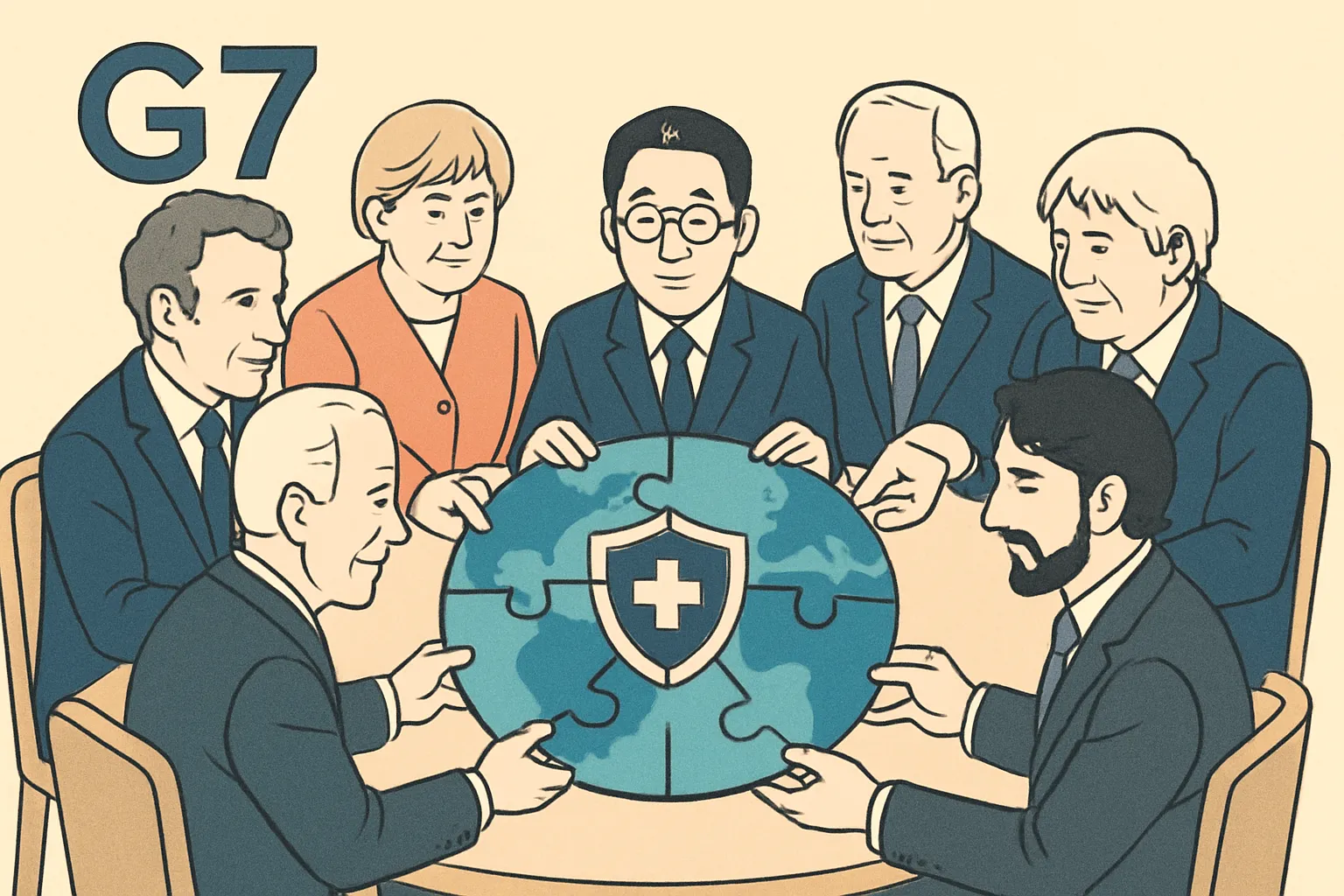

Phase 1: Immersive Hook
Hello, language learners and culture enthusiasts! Welcome back to Daily Hangul. I’m your Lead Editor, your friendly Korean insider who has spent over a decade navigating the bustling streets, dynamic workplaces, and mouth-watering BBQ joints of Seoul.
Picture this: You are watching a classic office K-Drama like Misaeng or Start-Up. The team has just survived a grueling project. The boss lets out a deep sigh, loosens his tie, and declares, “Let’s go on a workshop!” The subtitles simply say, “Let’s have a team-building trip.”
But if you’re a foreigner working in Korea or managing a Korean team, you know it’s never just a simple trip. It’s a high-stakes, 1-night, 2-day survival game involving endless grilled pork belly, strategic seating arrangements, drinking games, and an invisible radar called Nunchi (눈치). Planning one of these? It can feel like walking through a cultural minefield.
If you don’t know the right vocabulary, you might accidentally invite your CEO to a frat party instead of a professional retreat. But if you master the expressions in this C1-level guide, you won’t just survive the corporate planning phase—you’ll earn the ultimate “insider” respect from your Korean colleagues. Let’s dive into the real, unfiltered language of Korean team building, straight from the desks of Seoul’s corporate warriors!
Phase 2: Deep Dive (Core Expressions)
1. 단합대회 (Team-building Event / Rally)
- Pronunciation: [dan-hap-dae-hwe] (sounds like ‘dahn-hahp-dae-hweh’)
- Meaning: Literally “unity rally.” Real nuance: An intense bonding session meant to boost morale, usually involving physical activities, games, and an epic dinner.
- K-Culture Moment: You’ll see this in K-Dramas when the whole department wears matching neon windbreakers, plays dodgeball in the mountains of Gapyeong, and then aggressively toasts to the company’s success.
- Editor’s Insight: While ‘워크숍’ (Workshop) implies there will be presentations or business agendas, ‘단합대회’ is 100% about bonding and morale. If your team looks exhausted, suggesting a 단합대회 instead of a 워크숍 makes you look incredibly emotionally intelligent.
- Situation Spectrum:
[🚫 Absolute Ban] ———— [⚠️ Caution] ———— [✅ Freely]- Casual friends: 🚫 (Too formal/corporate. Use “놀러 가자” instead)
- Co-workers (Semi-formal): ✅
- Boss/Seniors (Formal): ✅
- 🤔 Think About It: Why does Korean corporate culture emphasize “unity” (단합) so much? How does this reflect the collectivist nature of Korean society compared to the individualistic work cultures in the West?
2. 의견을 조율하다 (To coordinate/align opinions)
- Pronunciation: [ui-gyeon-eul jo-yul-ha-da] (sounds like ‘wee-gyun-eul joh-yool-ha-dah’)
- Meaning: Literally “to tune opinions” (like tuning a musical instrument). Real nuance: Finding a compromise or aligning the team’s ideas smoothly.
- K-Culture Moment: When the marketing team wants a luxurious hotel retreat, but the finance team wants a budget camping trip. The leader steps in and says, “We need to tune our opinions.”
- Editor’s Insight: This is a beautiful, highly professional C1-level phrase. It sounds much softer and more diplomatic than saying “We need to decide” or “Let’s argue until someone wins.” It shows you value harmony.
- Situation Spectrum:
[🚫 Absolute Ban] ———— [⚠️ Caution] ———— [✅ Freely]- Casual friends: ⚠️ (A bit too stiff/corporate)
- Co-workers (Semi-formal): ✅
- Boss/Seniors (Formal): ✅
- 🤔 Think About It: “Tuning” implies that everyone’s voice is part of a larger harmony. Does your native language have a poetic metaphor for business negotiations?
3. 아이스브레이킹 겸 분위기를 띄우다 (To break the ice and liven up the mood)
- Pronunciation: [a-i-seu-beu-re-i-king gyeom bun-wi-gi-reul tti-u-da] (sounds like ‘ah-ee-seu-beu-ray-king gyum boon-wee-gee-reul ttee-oo-dah’)
- Meaning: Literally “to float the atmosphere.” Real nuance: To hype up the crowd, loosen stiff tensions, and make everyone comfortable.
- K-Culture Moment: The dreaded talent show (장기자랑) at a corporate workshop. The youngest employee (막내) is usually tasked with singing a trending K-Pop song to “float the atmosphere.”
- Editor’s Insight: Corporate Korea loves using English loanwords like “아이스브레이킹” (icebreaking), but they combine it with native phrases like “분위기를 띄우다” to describe the energetic shift in the room.
- Situation Spectrum:
[🚫 Absolute Ban] ———— [⚠️ Caution] ———— [✅ Freely]- Casual friends: ✅
- Co-workers (Semi-formal): ✅
- Boss/Seniors (Formal): ⚠️ (Ensure it’s appropriate for the setting)
- 🤔 Think About It: Why is it often the junior employees’ unwritten job to “liven the mood” in traditional Korean companies?
Phase 3: Textbook vs Real Life
When planning a workshop, textbooks sound like a robot reading a manual. Real Korean offices use a dynamic mix of native grammar and English business loanwords.
| Situation | 📖 Textbook Korean | 🗣️ Real Korean | 💡 Why is it different? |
|---|---|---|---|
| Starting the planning | 저희 워크숍 계획을 논의합시다. (Let’s discuss our workshop plan.) | 워크숍 일정부터 픽스하시죠. (Let’s fix the schedule first.) | Corporate efficiency! “픽스하다” (to fix/set) is the ultimate K-office slang. |
| Suggesting a team dinner | 팀원들과 식사를 같이 하고 싶습니다. (I want to have a meal with team members.) | 오늘 저녁에 회식 겸 단합대회 어떠세요? (How about a team dinner/rally tonight?) | “A 겸 B” (doing A and B simultaneously) is highly preferred to justify the event’s purpose. |
| Trying to reach an agreement | 모두 동의할 때까지 이야기합시다. (Let’s talk until everyone agrees.) | 이쯤에서 의견을 조율해 볼까요? (Shall we tune our opinions at this point?) | Direct confrontation is avoided. “Tuning opinions” saves face for everyone involved. |
Bottom Note: At a C1 level, weaving English business jargon (일정을 픽스하다, 컨펌받다) into perfectly conjugated Korean grammar will make you sound like a native PM working in Gangnam!
Phase 4: Cultural Deep Dive
4-1. Non-verbal Communication: The Art of Corporate Nunchi
Language is only 30% of Korean team building. The rest is Nunchi (눈치), the art of reading the room. When planning a workshop, asking “Where do you want to go?” directly to the CEO in front of everyone is a rookie mistake. The C1-level professional will privately “tune opinions” with middle management first. Also, during the BBQ team dinner, notice the non-verbal ballet: the youngest person automatically grabs the tongs to grill the meat, while someone else ensures the senior’s glass is never empty.
4-2. K-Drama Connection: The Mandatory MT/Workshop Trope
If you’ve watched any K-Drama set in an office (What’s Wrong with Secretary Kim, Business Proposal), you know the “Workshop Episode” is a staple. It always involves:
1. An awkward bus ride where the leads accidentally sit together.
2. A rural pension in Gapyeong or Yangpyeong.
3. A team-building game (like a three-legged race) where the rich CEO is surprisingly competitive.
4. Late-night soju and instant ramen (ramyeon) leading to deep confessions.
Critical View: While dramas make these look romantic and fun, real-life Korean workers often feel immense pressure during these trips, viewing them as an extension of work rather than a vacation. As a leader or planner, being mindful of this “workshop fatigue” and ensuring true downtime is a mark of great leadership.
Phase 5: Immersive Roleplay
Scenario A: The Workshop Committee
- Setting: Tuesday, 2 PM. A chic cafe near your office in Pangyo (Korea’s Silicon Valley). You are drinking iced Americanos.
- Characters:
- YOU: A foreign Project Manager adapting to Korean corporate life.
- Minji (28): Your Korean co-worker. Bright, efficient, but secretly dreads weekend workshops.
Minji: PM님, 이번 분기 워크숍 말인데요, 부장님은 주말 끼고 1박 2일로 가고 싶어 하시는 눈치예요.
(PM-nim, ibeon bungi wokeusyop marindeyo, bujangnimeun jumal kkigo il-bak i-illo gago sipeo hasineun nunchiyeyo.)
[PM, regarding this quarter’s workshop, the director seems to want a 1-night 2-day trip over the weekend.]
YOU: 주말이요? 팀원들은 별로 안 좋아할 것 같은데요.
(Jumariyo? Timwondeureun byeollo an joahal geot gateundeyo.)
[The weekend? I don’t think the team members will like that very much.]
Minji: 맞아요. 다들 속으로는 불만이 많아요.
(Majayo. Dadeul sogeuroneun bulmani manayo.)
[Right. Everyone has complaints about it on the inside.]
YOU: 그럼 일정에 대해서 다시 한번 의견을 조율해 봐야겠네요.
(Geureom iljeonge daehaeseo dasi hanbeon uigyeoneul joyulhae bwayagenneyo.)
[Then I guess we need to tune our opinions on the schedule once more.]
Minji: 네, PM님이 부장님께 잘 좀 말씀해 주세요! 앗, 부장님 오신다…
(Ne, PM-nimi bujangnimkke jal jom malsseumhae juseyo! At, bujangnim osinda…)
[Yes, please speak well to the director for us! Oh, here comes the director…]
(Stage Direction: The Director approaches your table holding his coffee.)
Director: 어, 두 사람 여기서 워크숍 회의 중인가? 이번엔 단합대회 겸 빡세게 가보자고!
(Eo, du saram yeogiseo wokeusyop hoeui jung-inga? Ibeonen danhapdaehoe gyeom ppaksege gabojago!)
[Oh, are you two having a workshop meeting here? Let’s go hard this time as a team-building rally!]
🔀 YOUR TURN! How do you respond?
* A) “부장님, 주말은 절대 안 됩니다. 불법이에요!” (Director, weekends are absolutely not allowed. It’s illegal!)
* B) “네, 알겠습니다. 주말 1박 2일로 픽스하겠습니다.” (Yes, understood. I will fix it for 1-night 2-days over the weekend.)
* C) “부장님, 단합도 좋지만 금요일 오후에 출발해서 짧고 굵게 끝내는 건 어떨까요? 저희가 의견을 한번 조율해 보겠습니다.”✅ Best Choice: C — Reason: It acknowledges his desire for unity (단합), offers a constructive alternative (short and impactful on a Friday), and uses the C1 phrase “의견을 조율하다” respectfully.
⚠️ Choice A Analysis: While technically it might be unpaid overtime, aggressively stating this to a traditional Korean boss will destroy group harmony.
Scenario B: Bonus K-Culture Scenario (The BBQ Aftermath)
- Setting: Friday night. The team is at a Galbi (ribs) restaurant after a long workshop day.
- Director: 자, 마지막으로 건배사 하나 하자! 막내가 분위기 좀 띄워봐!
(Ja, majimageuro geonbaesa hana haja! Maknaega bunwigi jom ttiwobwa!)
[Alright, let’s do one last toast! The youngest, liven up the mood!] - YOU (stepping in for the terrified junior): 부장님, 오늘은 제가 해보겠습니다. 우리 팀의 성공적인 프로젝트를 위하여! 건배!
(Bujangnim, oneureun jega haebogetseumnida. Uri timui seonggongjeogin peurojekteureul wihayeo! Geonbae!)
[Director, I’ll do it today. To our team’s successful project! Cheers!]
Phase 6: 10-Second Shadowing Drill
Time to train your tongue! Follow the intonation (/) and emotion tags.
😊 이번 워크숍은 / 딱딱한 회의 말고 / 단합대회 위주로 / 가시죠!
(ibeon wokeusyobeun / ttakttakhan hoeui malgo / danhapdaehoe wijuro / gasijyo!)
“For this workshop, instead of stiff meetings, let’s focus on a team-building rally!”
Pro-tip: Stress the word ‘단합대회’ (dan-hap-dae-hwe) with enthusiasm!
Phase 7: K-Culture Glossary (Corporate Team Building)
| Korean | Romanization | English Meaning | Cultural Context |
|---|---|---|---|
| 눈치 | nunchi | Situational awareness / Reading the room | The core of surviving Korean corporate life. Knowing when to speak and when to pour drinks. |
| 회식 | hoesik | Company dinner | Not just dinner, but an extension of work where true bonding (and venting) happens. |
| 건배사 | geonbaesa | Toasting speech | A short, often witty speech made before clinking glasses. Good leaders have a few memorized! |
| 1박 2일 | il-bak i-il | 1 Night 2 Days | The standard duration for a corporate workshop. Also the name of a famous Korean variety show. |
| 막내 | maknae | The youngest member | The youngest or lowest-ranking team member, who traditionally handles the logistics of the trip. |
Phase 8: Traveler’s Survival Kit (Corporate Scout Edition)
If you are the PM scouting locations for your team’s workshop (likely in Gapyeong or Jeju), you need these survival phrases to deal with pensions and restaurants.
🆘 Survival Phrase #1: Group Reservations
* 🇰🇷 “저희 20명 단체 예약 되나요?” (jeo-hui i-sim-myeong dan-che ye-yak doe-na-yo?)
* 🗣️ Sound-alike: juh-hee ee-shim-myung dahn-che yay-yak dway-nah-yo?
* 📍 Where to use: Pension owners, BBQ restaurants.🆘 Survival Phrase #2: Corporate Cards
* 🇰🇷 “법인 카드로 결제할게요. 영수증 꼭 챙겨주세요.” (beob-in ka-deu-ro gyeol-je-hal-ge-yo. yeong-su-jeung kkok chaeng-gyeo-ju-se-yo.)
* 🗣️ Sound-alike: bub-in kah-deu-ro gyul-jeh-hal-geh-yo. young-soo-jeung kkok chang-gyuh-joo-seh-yo.
* 📍 Where to use: Everywhere. “법카” (Bup-ka / Corporate card) is the magic wand of team building.📌 Editor’s Travel Note
* Logistics App: Use Kakao T to book large vans (Kakao Venti) to transport your team.
* Invoices: Always ask for a “세금계산서” (Tax invoice) for accounting purposes if you aren’t using a corporate card directly.
Phase 9: Think Deeper — “A Step Further”
🫠 Think Deeper: Food & Identity (The Concept of Sik-gu)
Why do Korean companies insist on team-building activities that always culminate in sharing a meal from the same grilling pan or stew pot? In Korean, the word for family is 식구 (Sik-gu), which literally translates to “mouths that eat together.” By sharing food, pouring each other’s drinks (a key tenet of hoesik), and eating from the same communal dishes, the corporate hierarchy softens, and colleagues symbolically become a family. To an outsider, a mandatory BBQ might feel like an intrusion on personal time. But culturally, it is the ultimate gesture of breaking down barriers and forming an unbreakable, unified front.
💬 Your Turn: Does your culture have a concept similar to “Sik-gu”? How does your company build team identity? Share your thoughts in the comments!
Phase 10: FAQ & Troubleshooting
- Q: Can I refuse to go to a weekend workshop?
- A: Maybe, but tread carefully. Legally and generationally, the tide is changing in Korea (MZ generation workers often push back against weekend workshops). However, if you are the leader or PM, outright refusing will severely damage your reputation for “team spirit.” Instead, try to tune opinions (의견을 조율하다) to move it to a Thursday-Friday!
- Q: Can I use “파티 (Party)” instead of “단합대회”?
- A: No. “Party” sounds frivolous and unprofessional in a Korean corporate setting. Even if you are just drinking and playing games, call it a 워크숍 or 단합대회 to keep it “official.”
❌ Common Mistake: Pouring your own drink at the team dinner.
✅ Do This Instead: In Korean drinking culture, you pour for others, and they pour for you. If your glass is empty, wait for someone to notice (Nunchi!), or casually offer to pour a drink for your senior. They will inevitably pour one for you in return!
Phase 11: Wrap-up & Action Items
📌 One-Liner Summary: Mastering C1 expressions like “의견을 조율하다” and “단합대회” will transform you from a confused expat into a respected corporate insider who knows how to navigate Korean team dynamics.
Action Mission:
* 🥉 Bronze (Solo): Say “우리 일정부터 픽스하시죠!” (Let’s fix our schedule first!) out loud 3 times in front of the mirror with CEO energy.
* 🥈 Silver (Online): Drop a comment below using “분위기를 띄우다” in a sentence about your favorite K-Pop idol or actor!
* 🥇 Gold (Real Life): Next time you need to make a group decision at work or with Korean friends, suggest: “의견을 한 번 조율해 볼까요?”
🇰🇷 K-Culture Mission: Watch episode 1 of any Korean office drama (like Misaeng or Gaus Electronics). Spot the moment they go out for Hoesik (team dinner) and observe who grills the meat and who pours the drinks. You’ll see the Nunchi happening in real-time!
Phase 12: Interactive Quiz
1. Situational Judgment: The marketing team and sales team cannot agree on the workshop location. As the Project Manager, what is the most culturally appropriate and C1-level thing to say?
A) “제가 결정하겠습니다.” (I will decide.)
B) “두 팀의 의견을 조율해 보겠습니다.” (I will tune the opinions of both teams.)
C) “단합대회 합시다.” (Let’s have a team-building rally.)
2. Fill in the Blank:
“The atmosphere was so stiff, so the youngest employee sang a song to ( ) the mood.”
* A) 픽스하다 (fix)
* B) 분위기를 띄우다 (float the atmosphere)
3. True or False – K-Culture Edition:
At a Korean corporate team-building dinner (Hoesik), it is considered polite to pour your own drink when you are thirsty. (T/F)
(Scroll down for answers!)
Click to reveal answers
1. B – It shows leadership while respecting the harmony of both teams.
2. B – 분위기를 띄우다 is the perfect phrase for livening up the mood.
3. False – You should pour for others and let them pour for you! Pouring your own drink is a cultural faux pas.