

Phase 1: Introduction
Hello! This is your Head Editor at Daily Hangul.
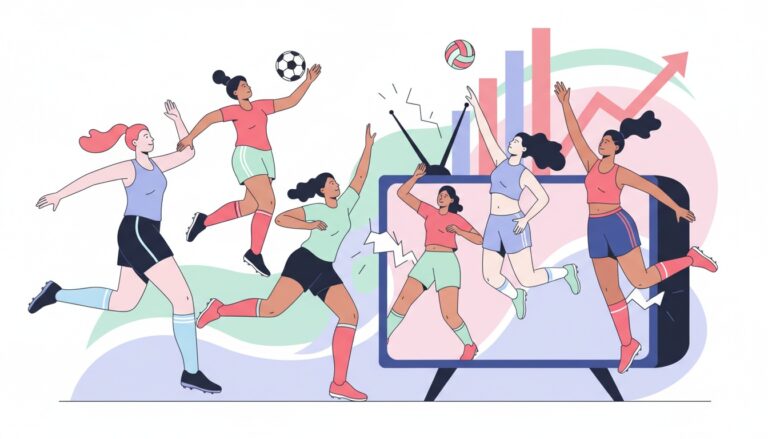
If you’ve turned on a Korean TV recently, you might have noticed a massive shift. It’s no longer just men running around the soccer field. Shows like “Shooting Stars” (골 때리는 그녀들) have completely revolutionized how Koreans view women in sports.
We are moving beyond the era where female athletes were only highlighted during the Olympics or for their appearance. Now, it’s about sweat, grit, and genuine competition.
Today, we are tackling a C2 (Advanced) topic: “The Expansion of the Base of Women’s Sports and Media Exposure.”
Why does this matter? Because if you want to have a deep intellectual conversation with a Korean friend about societal changes, gender roles, or the entertainment industry, you need vocabulary that goes beyond “축구 해요” (I play soccer). You need words that describe phenomena.
This guide is curated from real debates and discussions I’ve heard among advanced learners and native speakers. Let’s dive deep.
Phase 2: Deep Dive (Core Expressions)
Here are the top 3 expressions you need to discuss this societal shift like a pro.
1. 저변 확대 (Jeobyeon Hwakdae)
- Pronunciation:
Jeo-byun Hwak-dae[Think of ‘Jeo’ like ‘Ju’ in Judgement + ‘byun’ rhyme with bun]- Meaning: Expansion of the base / Broadening the foundation
- Editor’s Insight: This is a quintessential C2 phrase. ‘저변’ refers to the base or bottom of a body of water or society. In sports, it means increasing the number of amateur participants, which supports the professional elite. If you use this, Koreans will assume you read editorial columns.
- Situation Check: Formal & Professional (News, Essays, Serious Discussions).
2. 재조명받다 (Jae-jomyeong-batda)
- Pronunciation:
Jae-jo-myung-bat-da- Meaning: To be re-illuminated / To be rediscovered / To get a fresh look
- Editor’s Insight: ‘조명’ means lighting/spotlight. Adding ‘재’ (re-) means something was overlooked but is now getting the attention it deserves. Perfect for talking about women’s volleyball or soccer gaining late popularity.
- Situation Check: Universal (Used in both casual fan talk and formal analysis).
3. 편견을 깨다 (Pyeon-gyeon-eul Kkaeda)
- Pronunciation:
Pyun-gyun-eul Kkae-da- Meaning: To break prejudice / To shatter stereotypes
- Editor’s Insight: You will hear this constantly when discussing women in physical sports. It implies an active, forceful action (‘깨다’ – to break/smash) against societal norms.
- Situation Check: Emotional & Analytical contexts.
Phase 3: Textbook vs. Real Life
Since you are at a C2 level, you know the grammar. Now let’s refine the flavor.
| Textbook (Correct but dry) | Real Korean (Natural & Trendy) |
|---|---|
| 여성 스포츠 인기가 많아졌어요. (Women’s sports have become popular.) |
요즘 여축(여자 축구)이 완전 대세잖아요. (Women’s soccer is the absolute trend these days.) |
| 방송에 여자 선수들이 많이 나와요. (Female athletes appear on TV often.) |
미디어가 여성 스포츠의 판도를 바꿨죠. (Media completely changed the landscape/game.) |
| 사람들의 생각이 바뀌었어요. (People’s thoughts have changed.) |
확실히 대중의 인식이 달라진 게 느껴져요. (I can definitely feel the shift in public perception.) |
Note: Advanced speakers often shorten sports names: 여축 (Women’s Soccer), 여배 (Women’s Volleyball), 여농 (Women’s Basketball).
Phase 4: Cultural Context & Manners
The “Girl Crush” (걸크러시) Phenomenon
In the past, media exposure for female athletes in Korea often focused on “beauty” or “elegance” (like Figure Skating). However, the current trend is linked to the “Girl Crush” concept—admiring women who are cool, powerful, and unconcerned with looking pretty while playing.
Nunchi Tip:
When discussing this, avoid commenting on an athlete’s physical appearance unless it’s about their muscular strength or form. The modern Korean discourse focuses on ‘기량’ (skill/competence) and ‘투혼’ (fighting spirit). Praising “fighting spirit” (투혼) is the highest compliment you can give in Korean sports culture.
Phase 5: Roleplay Script
Setting: Two colleagues having coffee, discussing a popular TV show about women’s soccer.
Characters:
* Alex (Student): A passionate fan of the show.
* Minji (Korean Friend): Also enjoys the trend.
Dialogue:
Alex: (Putting down coffee cup)
어제 그 예능 봤어? 와, 출연자들 실력이 진짜 일취월장했더라.
(Did you see that variety show yesterday? Wow, the cast’s skills have really improved day by day.)
Eo-je geu ye-neung bwas-seo? Wa, chul-yeon-ja-deul sil-lyeok-i jin-jja il-chwi-wol-jang-haet-deo-ra.
Minji:
맞아. 처음엔 다들 서툴렀는데, 이젠 진짜 선수 같아. 예전엔 여자가 축구한다고 하면 다들 신기하게 봤잖아.
(Right. Everyone was clumsy at first, but now they are like real athletes. In the past, people looked at it with fascination if a woman played soccer.)
Alex: (Nodding seriously)
확실히 미디어가 편견을 깨는 데 큰 역할을 한 것 같아. 덕분에 생활 체육에서도 여성 회원이 늘었다고 하던데?
(The media definitely played a huge role in breaking prejudices. I heard that because of it, female members in recreational sports have increased?)
Hwak-sil-hi mi-di-eo-ga pyeon-gyeon-eul kkae-neun de keun yeok-hal-eul han geot ga-ta. Deok-bun-e saeng-hwal che-yuk-e-seo-do yeo-seong hoe-won-i neu-reot-da-go ha-deon-de?
Minji:
그게 바로 저변 확대의 긍정적인 효과지! 나도 이번에 풋살 동호회 가입했잖아.
(That is exactly the positive effect of the expansion of the base! I actually joined a futsal club this time too.)
Phase 6: 10-Second Shadowing
Read this C2-level sentence aloud. Pay attention to the pauses / to sound intellectual.
“미디어의 지속적인 조명 덕분에 / 여성 스포츠가 단순한 유행을 넘어 / 하나의 문화로 자리 잡고 있습니다.”
(Thanks to the continuous spotlight from the media / women’s sports is moving beyond a simple trend / and establishing itself as a culture.)
Pronunciation Guide:
* 지속적인 (Ji-sok-jeok-in) -> Emphasize the ‘sok’
* 자리 잡고 (Ja-ri jap-go) -> ‘Jap’ is short and strong.
Phase 7: FAQ & Troubleshooting
- Q: Can I use the word ‘선수’ (Player/Athlete) for amateurs?
- A: Yes! In a hobby context (like a futsal club), calling someone “김 선수!” is a playful and respectful way to acknowledge their passion. It lifts the mood.
- Q: Is ‘여류 (Yeoryu)’ a good prefix for female sports?
- A: NO. Avoid ‘여류’. It’s an outdated, slightly belittling term mostly used in arts (like female writer) in the old days. Just use ‘여성’ (female) or ‘여자’ (woman).
Phase 8: Wrap-up & Action Item
Summary:
Today we learned how to discuss the rise of women’s sports using advanced terms like 저변 확대 (expansion of base), 재조명 (re-illumination), and 편견을 깨다 (breaking prejudice).
Your Mission:
Go to a Korean portal site (Naver/Daum) and search for “여자 축구 저변 확대”. Read just the headlines. You will see exactly how today’s vocabulary is used in real news!
Phase 9: Quiz
1. Which word best fits the blank?
“Recent TV shows have helped in the ______ of women’s sports base.”
(최근 TV 프로그램들이 여성 스포츠의 ______에 기여했다.)
A) 일취월장 (Day-by-day progress)
B) 저변 확대 (Expansion of the base)
C) 작심삼일 (Giving up after 3 days)
2. How do you say “The media changed the game/landscape” in natural Korean?
A) 미디어가 게임을 했다. (Media played a game.)
B) 미디어가 판도를 바꿨다. (Media changed the landscape.)
C) 미디어가 운동을 좋아한다. (Media likes exercise.)
3. True or False?
It is trendy and polite to praise a female athlete’s “fighting spirit” using the word ‘투혼’.
(Answers below)
Click to see answers
1. B
2. B
3. True (It focuses on their effort and professional mindset)
Frequently Asked Questions (FAQ)
Q: What does "저변 확대 (Jeobyeon Hwakdae)" mean in Korean and how do you pronounce it?
A: In Korean, "저변 확대 (Jeobyeon Hwakdae)" is pronounced [Jeo-byun Hwak-dae [Think of 'Jeo' like 'Ju' in Judgement + 'byun' rhyme with bun] and means: Expansion of the base / Broadening the foundation
Q: What does "재조명받다 (Jae-jomyeong-batda)" mean in Korean and how do you pronounce it?
A: In Korean, "재조명받다 (Jae-jomyeong-batda)" is pronounced [Jae-jo-myung-bat-da] and means: To be re-illuminated / To be rediscovered / To get a fresh look
Q: What does "편견을 깨다 (Pyeon-gyeon-eul Kkaeda)" mean in Korean and how do you pronounce it?
A: In Korean, "편견을 깨다 (Pyeon-gyeon-eul Kkaeda)" is pronounced [Pyun-gyun-eul Kkae-da] and means: To break prejudice / To shatter stereotypes







