

Phase 1: Introduction
Hello! This is your Daily Hangul Editor. 👋
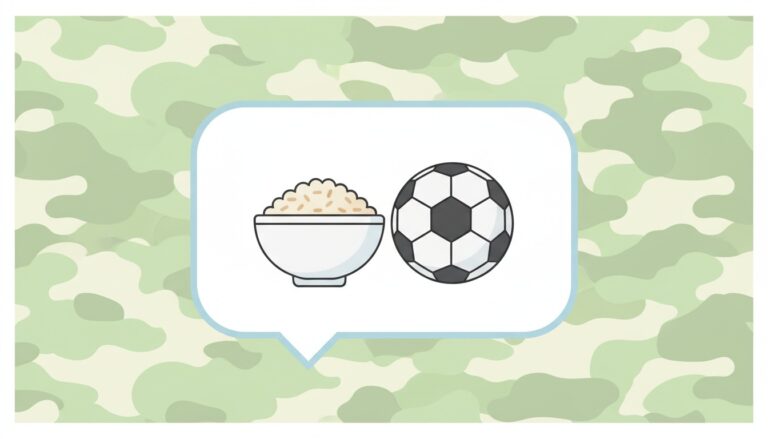
Have you ever been at a Korean BBQ dinner (Samgyeopsal party), enjoying the vibe, when suddenly the conversation shifts? The guys start talking about “football,” “snow shoveling,” or “Choco Pies,” and the atmosphere becomes intense yet nostalgic. You check your dictionary, but the words don’t make sense in context.
Welcome to the world of “Army Stories” (군대 얘기 – Gundae Yaegi).
For Korean men, military service isn’t just a duty; it’s a shared identity. It is the ultimate “Anju-geori” (안주 거리)—a topic that acts as the best side dish for drinking.
As a tutor, I’ve seen many students feel left out during these conversations. But here is a secret: You don’t need to know military tactics. You just need to know how to react. If you master the expressions in this guide, you won’t just be a foreigner listening in; you’ll be the “Bro” who understands their hardship. Let’s dive in! 🪖
Phase 2: Deep Dive (Key Expressions)
Here are the top 3 concepts that appear in 90% of army conversations.
1. 짬밥 (Jjam-bap)
- Pronunciation: [Jjam-bap] Think of ‘Jjam’ like the start of ‘Jump’ but with a tighter mouth. 🥣
- Meaning:
- Literal: Military food (often implying it’s not very tasty).
- Real Nuance: “Experience” or “Seniority.”
- Editor’s Insight: If someone says, “My jjam-bap is higher,” it means “I’ve been here longer/I know more than you.” It’s used in offices too!
- Situation Check: Casual (Yes) / Formal (Use caution, slightly slangy).
2. 고생하다 (Gosaeng-hada)
- Pronunciation: [Go-seng-ha-da]
- Meaning: To suffer / To go through hardship.
- Editor’s Insight: This is the magic key to Korean hearts. When a man finishes his long army story, you don’t need to ask detailed questions. Just say this. It validates their 18 months of sacrifice.
- Situation Check: All situations. (Very polite and empathetic).
3. 제대하다 (Jede-hada) vs. 전역하다 (Jeonyeok-hada)
- Pronunciation: [Je-dae-ha-da] / [Jeon-yeok-ha-da]
- Meaning: To be discharged from the military.
- Editor’s Insight: You will hear both. “When did you discharge?” is a common question among men to establish hierarchy (who is the hyeong).
- Situation Check: Formal & Casual.
Phase 3: Textbook vs. Real Life
Textbooks teach you the official terms, but at a pocha (tent bar), we speak differently.
| Textbook / Dictionary 📚 | Real Korean Conversation 🗣️ |
|---|---|
| 군 복무를 마쳤습니다. (I finished military service.) | 군대 갔다 왔어요. (I went to the army and came back.) |
| 군인 음식이 맛없었어요. (The soldier food was bad.) | 짬밥이 맛없었어요. (The jjam-bap was bad.) |
| 훈련이 힘들었습니다. (Training was hard.) | 진짜 죽는 줄 알았어요. (I really thought I was going to die.) |
Note for B1 Learners: “죽는 줄 알았다” (Thought I was going to die) is the most common exaggeration Koreans use to emphasize hardship. Use it freely!
Phase 4: Cultural Context & Manners 🎭
The “Nunchi” (눈치) of Army Talk
There is a joke in Korea about the “Three Worst Topics” you can talk about on a date:
1. Talking about the army.
2. Talking about soccer.
3. Talking about playing soccer in the army. ⚽
Why? Because it’s a repetitive story that most Korean women have heard a thousand times.
Tutor’s Tip:
* If you are a guy: Asking a Korean man about his unit (Bu-dae) creates instant bonding.
* If you are a girl: You don’t need to ask for details. Just show empathy. Never say, “But isn’t 18 months short?” (This is a declaration of war! 😱). instead, nod and say, “Wow, that must have been cold/hot/hard.”
Phase 5: Roleplay Script 🎬
Setting: A pub with a Korean friend, Min-su, over beer and fried chicken.
Min-su: 아, 예비군 훈련 가기 진짜 귀찮다.
(Ah, it’s so annoying to go to reserve force training.)
You: 오, 민수 씨 군대 어디로 갔다 왔어요?
(Oh, Min-su, where did you go for your military service?)
[Pronunciation: Oh, Min-su-ssi gun-dae eo-di-ro gat-da wa-sseo-yo?]
Min-su: 저는 강원도 최전방에 있었어요. 겨울에 눈 치우느라 죽는 줄 알았어요.
(I was at the front line in Gangwon-do. I thought I’d die shoveling snow in winter.)
You: 와… 강원도면 진짜 추웠겠네요. 고생 많았어요! (Show a surprised face 😲)
(Wow… if it’s Gangwon-do, it must have been really cold. You suffered a lot!)
[Pronunciation: Wa… Gang-won-do-myeon jin-jja chu-wot-get-ne-yo. Go-saeng ma-na-sseo-yo!]
Min-su: (Smiling) 알아주니 고맙네요. 건배 할까요?
(Thanks for understanding. Shall we toast?)
Phase 6: 10-Second Shadowing 🎧
Practice this “Empathy Reaction” to sound like a native.
“Wow, you really went through a lot. That sounds super tough.”
와, / 진짜 / 고생 많았어요. / 정말 / 힘들었겠어요.
[Wa, / jin-jja / go-saeng ma-na-sseo-yo. / Jeong-mal / him-deu-reot-ge-sseo-yo.]
- Intonation Tip: Stress ‘jin-jja’ (really) and stretch ‘wa’ (wow) to sound sincere. Drop your tone at the end of the sentence to show seriousness.
Phase 7: FAQ & Troubleshooting ⚠️
Q: Can I ask a stranger about their army service?
A: Generally, Yes. Unlike in some Western cultures where military history might be sensitive (PTSD), in Korea, it’s a rite of passage. Most men are proud to tell you how tough their unit was. However, if someone was exempted for medical reasons, they might change the subject. Follow their lead.
Q: Is it okay to use military slang like ‘Salute’ (충성 – Chungseong)?
A: Only as a joke with close friends! Doing a military salute to a stranger or a boss is weird. Keep it for the pub.
Phase 8: Wrap-up
- One-Liner Summary: When Korean men talk about the army, they are looking for validation, not a debate.
- Action Mission: Next time you meet a Korean male friend, ask: “Where was your unit?” (부대가 어디였어요?). Watch their eyes light up!
Have you ever heard a funny Korean army story? Tell me in the comments! 👇
Phase 9: Quiz 📝
1. What does “Jjam-bap” (짬밥) imply in a workplace context?
A) The cafeteria menu
B) Seniority and experience
C) A delicious dinner
2. Which reaction is best when listening to a hard army story?
A) “That sounds like a vacation!”
B) “Go-saeng ma-na-sseo-yo.” (You suffered a lot.)
C) “Why did you go?”
3. Which topic is jokingly known as the ‘worst’ conversation starter for dates?
A) K-Pop
B) Army Soccer
C) Traveling
(Answers: 1. B, 2. B, 3. B)
Frequently Asked Questions (FAQ)
Q: What does "짬밥 (Jjam-bap)" mean in Korean and how do you pronounce it?
A: In Korean, "짬밥 (Jjam-bap)" is pronounced [Jjam-bap] and means: Literal: Military food (often implying it's not very tasty).
Q: What does "고생하다 (Gosaeng-hada)" mean in Korean and how do you pronounce it?
A: In Korean, "고생하다 (Gosaeng-hada)" is pronounced [Go-seng-ha-da] and means: To suffer / To go through hardship.
Q: What does "제대하다 (Jede-hada) vs. 전역하다 (Jeonyeok-hada)" mean in Korean and how do you pronounce it?
A: In Korean, "제대하다 (Jede-hada) vs. 전역하다 (Jeonyeok-hada)" is pronounced [Je-dae-ha-da] and means: To be discharged from the military.







