Introduction
Hello! It’s your favorite Korean tutor, Daily Hangul (DailyHangul.com)! 👋✨
Have you ever watched K-dramas like Start-Up or Reborn Rich? You often see characters giving cool presentations in meeting rooms, right? Today, we are going to step into that scene! 🎬
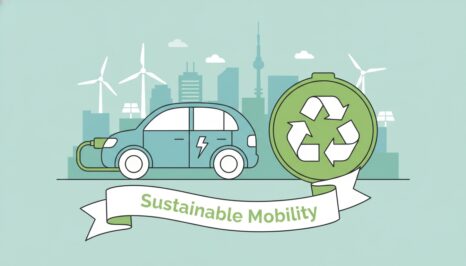
We will learn how to talk about a very hot topic in Korea right now: Electric Vehicles (EV) and Recycling. Korea is home to battery giants like LG Energy Solution and Samsung SDI, so this topic is super relevant! Even if the topic sounds difficult, don’t worry! We will learn the easy patterns to sound smart and professional. Let’s upgrade your Korean! 🚀
Key Expressions
1. 폐배터리 (Waste Battery)
- Pronunciation: [Pye-baeteori]
- English Meaning: Waste battery / Used battery
- Explanation: ‘폐’ (Pye) means ‘waste’ or ‘discarded’, and ‘배터리’ is just ‘battery’! Put them together, and you have the core word for our topic. You will hear this a lot in Korean news.
- 💡 Pronunciation Tip: The ‘Pye’ sound is aspirated, so a puff of air should come out. For ‘Battery’, Koreans pronounce it more like ‘Bae-teo-ri’ with a distinct ‘t’ sound, not a soft ‘d’ like in American English.
2. 문제점은 ~입니다 (The problem is ~)
- Pronunciation: [Munjejeomeun ~imnida]
- English Meaning: The problem is [noun].
- Explanation: When you want to point out an issue like a smart analyst, use this pattern! ‘문제점’ (Munjejeom) means ‘problem’ or ‘drawback’.
- Example: 문제점은 비용입니다. (The problem is the cost.)
- 💡 Pronunciation Tip: When saying ‘문제’ (Munje), the ‘J’ is soft. In ‘입니다’ (imnida), the ‘ㅂ’ is pronounced as an ‘M’ sound because of the nasalization rule! So it sounds like [im-ni-da], not [ip-ni-da].
3. 전망이 밝습니다 (The outlook is bright)
- Pronunciation: [Jeonmangi balseumnida]
- English Meaning: The future/outlook is bright.
- Explanation: This is a fantastic phrase to end a report positively! ‘전망’ (Jeonmang) means ‘prospect’ or ‘view’. You can use this when talking about the industry’s future.
- 💡 Pronunciation Tip: In ‘밝습니다’ (bright), the base form is ‘밝다’ (bakda). When followed by ‘s’, the ‘lg’ (ㄺ) simplifies. It sounds strong and confident!
4. 재활용해야 해요 (We need to recycle)
- Pronunciation: [Jaehwalyong-haeya haeyo]
- English Meaning: We have to recycle.
- Explanation: ‘재활용’ (Jaehwalyong) is ‘Recycling’. Adding ‘~해야 해요’ means ‘have to’ or ‘must’. It’s essential for proposing solutions!
Real Conversation 🗣️
Imagine you are reporting to your boss (Team Leader) about the EV industry.
👩💼 Minji: 팀장님, 전기차 폐배터리 보고서입니다.
(Timjangnim, jeongicha pyebaeteori bogoseo-imnida.)
Team Leader, here is the report on EV waste batteries.
👨💼 Team Leader: 그래요? 현재 가장 큰 문제점은 뭐예요?
(Geuraeyo? Hyeonjae gajang keun munjejeom-eun mwoyeyo?)
Is that so? What is the biggest problem right now?
👩💼 Minji: 문제점은 환경 오염입니다. 그래서 재활용해야 해요.
(Munjejeomeun hwangyeong oyeom-imnida. Geuraeseo jaehwalyong-haeya haeyo.)
The problem is environmental pollution. So, we need to recycle.
👨💼 Team Leader: 음, 미래 산업 전망은 어때요?
(Eum, mirae saneop jeonmang-eun eottaeyo?)
Hmm, how is the future industry outlook?
👩💼 Minji: 기술이 발전해서 전망이 밝습니다!
(Gisuri baljeonhaeseo jeonmangi balseumnida!)
Technology is improving, so the outlook is bright!
Culture Tip 🇰🇷
“ESG Management is Trendy!”
In Korea, ESG (Environmental, Social, and Governance) management is a huge buzzword right now. Major Korean companies like Hyundai, SK, and LG are obsessed with ‘Eco-friendly’ (친환경 – Chin-hwangyeong) images.
If you use words like 재활용 (Recycling) or 환경 (Environment) in a business setting or even casual conversation about news, Koreans will be impressed that you know the current social trends! Also, notice how Minji used the ending “-ㅂ니다/습니다”? In formal reporting situations, this ending is preferred over the casual “-요” to show professionalism. 👔
Conclusion & Quiz
Great job! Today you learned how to report on problems and future prospects like a pro. Even if you aren’t in a boardroom, you can use “The problem is…” (문제점은…) in daily life too!
📝 Mini Quiz
- How do you say “The outlook is bright” in Korean?
( 전이 밝니__ ) -
Which word means “Recycling”?
A) 전기차 (Jeongicha)
B) 재활용 (Jaehwalyong) -
(O/X) In ‘입니다’ (imnida), the ㅂ is pronounced like a ‘P’.
Answers:
1. 전망이 밝습니다 (Jeonmangi balseumnida)
2. B
3. X (It is pronounced like ‘M’ due to nasalization!)
See you next time! 안녕! 👋
Frequently Asked Questions (FAQ)
Q: What does "폐배터리 (Waste Battery)" mean in Korean and how do you pronounce it?
A: In Korean, "폐배터리 (Waste Battery)" is pronounced [Pye-baeteori] and means: Waste battery / Used battery
Q: What does "문제점은 ~입니다 (The problem is ~)" mean in Korean and how do you pronounce it?
A: In Korean, "문제점은 ~입니다 (The problem is ~)" is pronounced [Munjejeomeun ~imnida] and means: The problem is [noun].
Q: What does "전망이 밝습니다 (The outlook is bright)" mean in Korean and how do you pronounce it?
A: In Korean, "전망이 밝습니다 (The outlook is bright)" is pronounced [Jeonmangi balseumnida] and means: The future/outlook is bright.
Q: What does "재활용해야 해요 (We need to recycle)" mean in Korean and how do you pronounce it?
A: In Korean, "재활용해야 해요 (We need to recycle)" is pronounced [Jaehwalyong-haeya haeyo] and means: We have to recycle.