
Trend Alert: Discussing Reiki & Healing in Korean
Hello! This is [Daily Hangeul], here to upgrade your Korean skills to the next level!
Welcome back! Today, we are diving into a fascinating topic that sits at the intersection of health, culture, and language. Have you noticed how the keyword “Healing” (힐링) has become a massive trend in Korea recently?
With the rise of the “God-saeng” (갓생) trend—living a diligent and productive life—many Koreans are simultaneously experiencing burnout. As a result, there is a surging interest in Alternative and Integrative Medicine, such as meditation, yoga, and Reiki (레이키), to find mental balance.
Today, we will learn high-level expressions to discuss a Reiki treatment session. These phrases will help you articulate your experiences and opinions on wellness with the sophistication of a native speaker!
Key Expressions for Wellness & Healing
Here are 3 essential expressions to describe your experience with alternative medicine and energy healing.
1. 반신반의하다
- Pronunciation: [Bansinbanuihada]
- English Meaning: To be skeptical; to be half in doubt, half in belief.
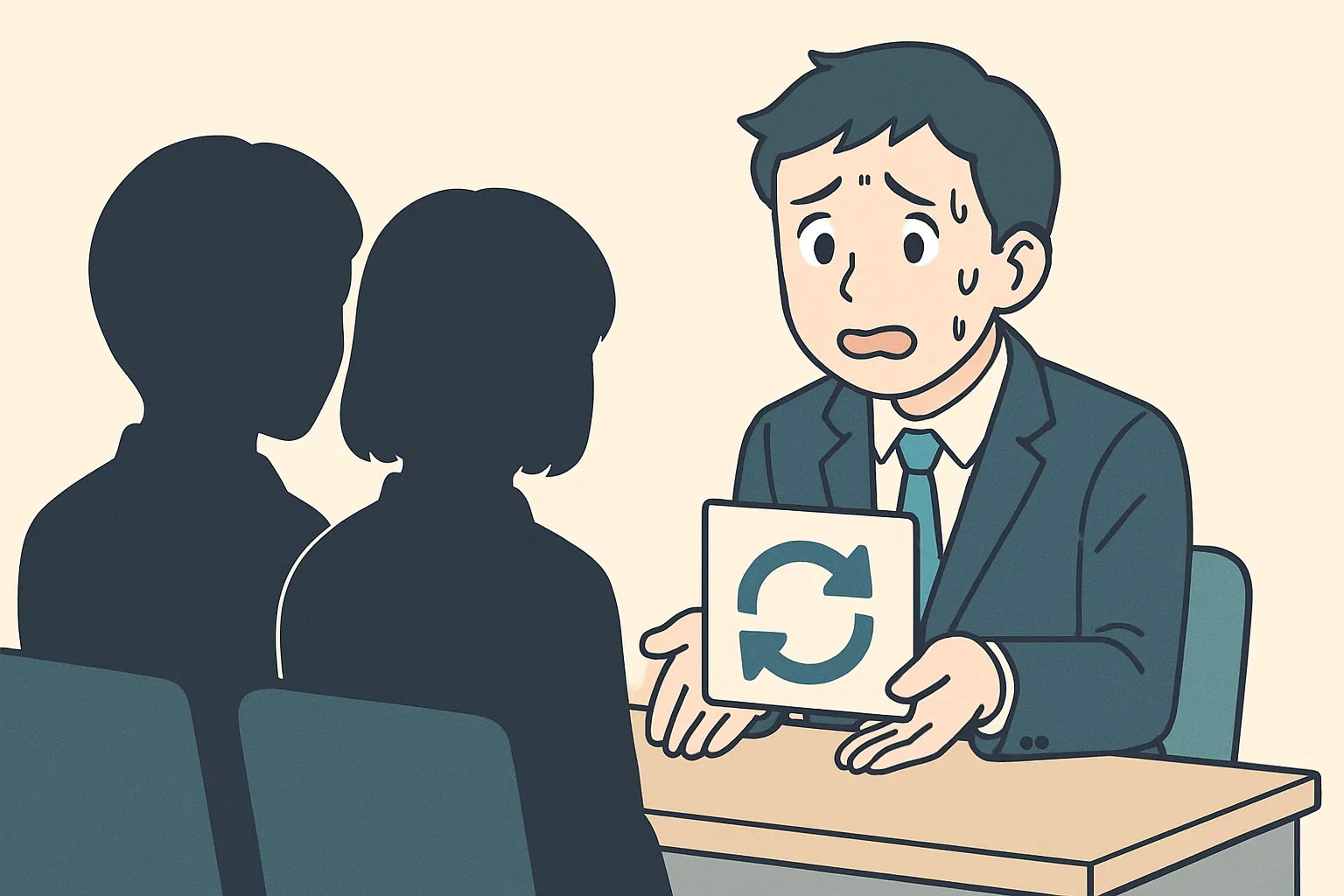
- Detail: This is a C1-level idiom perfect for discussing alternative medicine. It combines ‘half’ (반), ‘believe’ (신), ‘half’ (반), and ‘doubt’ (의). You use this when you aren’t fully convinced about a treatment’s efficacy before trying it.
- 💡 Pronunciation Tip:
- The word 의 (ui) can be tricky. In this compound word, it is often pronounced as [이 (i)].
- So, native speakers usually say [Bansinbanihada]. It flows much smoother than trying to pronounce the ‘ui’ sound strictly!
2. 심신이 안정되다
- Pronunciation: [Simsini anjeongdoeda]
- English Meaning: Mind and body become stabilized/relaxed.
- Detail: ‘Simsin’ (심신) means ‘mind and body’. This is a more formal and sophisticated way to say “I relaxed” compared to just “편해졌다.” It is frequently used in medical or wellness contexts to describe the result of a therapy.
- 💡 Pronunciation Tip:
- Liaison (연음): The final consonant ‘ㄴ(n)’ in ‘신(sin)’ carries over to the empty vowel ‘ㅇ’ in ‘이(i)’.
- So, it sounds like [Sim-si-ni]. Connect the sounds smoothly like a wave!
3. 기가 뚫리다
- Pronunciation: [Giga ttullida]
- English Meaning: Energy (Qi) is unblocked/flows freely.
- Detail: In Eastern medicine and Reiki, health is related to the flow of ‘Gi’ (Energy). ‘뚫리다’ means ‘to be pierced’ or ‘to be unclogged’. Use this when you feel a sudden release of tension or a burst of energy after a session.
- 💡 Pronunciation Tip:
- Tensing (경음화): The ‘ㄸ(tt)’ is a tense sound. You need to build up pressure behind your teeth and release it sharply, without letting out a burst of air (unlike ‘t’).
- Lateralization (유음화): The patchim ‘ㄹ(l)’ in ‘뚫(ttul)’ meets the ‘ㄹ(l)’ in ‘리(li)’. Both are pronounced clearly as [l]. Pronounce it forcefully: [Giga ttullida].
Real-Life Conversation Example
Let’s see how these expressions are used in a conversation between two friends, Minji and Daniel, talking about Daniel’s recent wellness retreat.
Minji: Daniel, I heard you went to a wellness center in Jeju Island. How was the Reiki session?
(다니엘, 제주도 웰니스 센터에 갔다며? 레이키 세션은 어땠어?)Daniel: Honestly, at first, I did 반신반의하다 (doubt half and believe half). I didn’t really believe in energy healing.
(솔직히 처음에는 반신반의했어. 에너지 힐링 같은 건 잘 안 믿었거든.)Minji: Oh, really? But you look so refreshed now!
(아, 진짜? 근데 지금 너 되게 개운해 보여!)Daniel: It was amazing. During the session, I felt my 심신이 안정되다 (mind and body stabilize) completely. It felt like my blocked 기가 뚫리다 (energy was unblocked).
(정말 놀라웠어. 세션 동안 심신이 완전히 안정되는 걸 느꼈어. 막혀 있던 기가 뚫리는 기분이었달까?)
Culture Tip & Trend Deep Dive
🔍 Why is “Gi” (Energy) important in Korea?
Even though Reiki is originally from Japan, the concept is very familiar to Koreans because of Hanbang (Traditional Korean Medicine). Koreans have long believed in the concept of ‘Gi’ (Chi/Qi).
- Trend Alert: Recently, the younger generation (MZ Generation) in Korea is moving away from drinking parties (Hoesik) and moving towards “Wellness Dates.” Couples or friends visit spas, tea ceremonies, or healing centers to recharge.
- Using the phrase “기가 허하다” (My energy is weak/empty) is a very common way Koreans express burnout. If you tell a Korean friend, “I tried Reiki because I felt Giga heohada,” they will instantly empathize with you and be impressed by your vocabulary!
Wrap-up & Practice
Today, we explored the world of Alternative Medicine and learned how to express deep relaxation and skepticism. These C1-level expressions will help you discuss complex topics like health and wellness with confidence.
📝 Mini Quiz
Fill in the blank with the correct expression we learned today:
“I was skeptical at first, so I was __________, but after the massage, I felt great.”
(처음에는 의심스러워서 __________ 했는데, 마사지 후에 기분이 정말 좋아졌어요.)
Answer: 반신반의 (bansinbanui)
Try using one of these expressions in the comments below! Have you ever tried alternative medicine? Tell us about it in Korean!
See you in the next post! Happy Healing!