
Angry Korean Customer on the Line? Don’t Panic!
Hello! It’s your favorite Korean skill booster, [매일한글] (Maeil Hangeul), here to upgrade your real-world Korean! 😊
Have you ever imagined working in Korea and having to answer the phone? What if the person on the other end is upset? It can be a scary thought! But don’t worry. Today, we’re going to learn some essential phrases to handle angry customers like a pro.
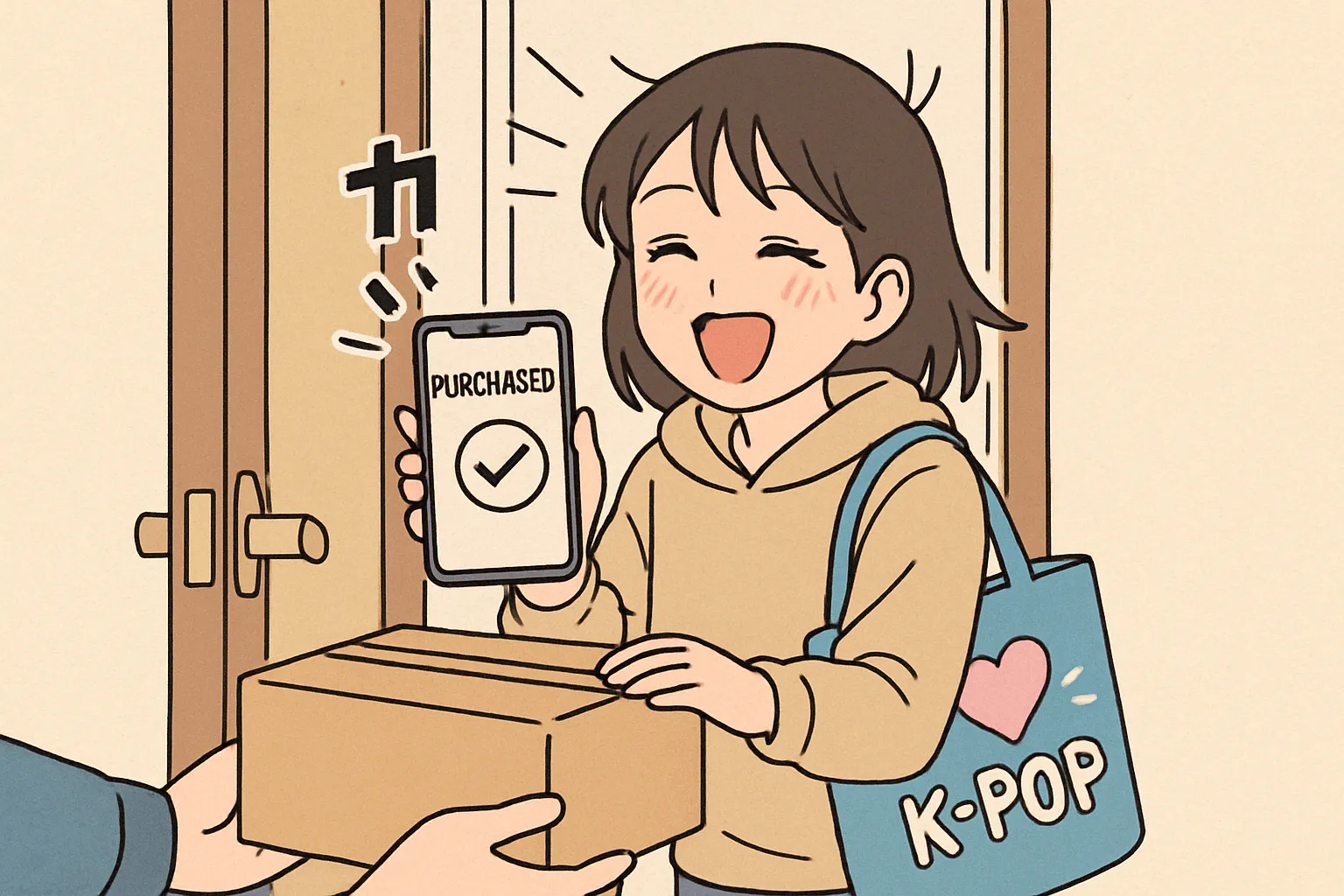
Lately in Korea, with the huge boom in online shopping and delivery apps, customer service calls are more common than ever. Sometimes, things go wrong—a package is late, or the order is incorrect. Knowing how to calmly and politely handle these situations is a super valuable skill. Let’s learn how to turn a negative customer experience into a positive one!
Core Expressions for Calming a Storm
Here are three key phrases that will be your lifesaver in a tense phone call.
1. Acknowledging the Inconvenience
- Korean: 많이 불편하셨겠어요.
- Pronunciation [Romanization]: Mani bulpyeonhasyeotgesseoyo.
- English Meaning: You must have been very inconvenienced.
- Detailed Explanation: This is the perfect first response. Before you even say “sorry,” you must show empathy (
공감). This phrase acknowledges the customer’s feelings and shows that you understand their frustration. It’s a polite and formal expression suitable for any business context. The-셨겠어요ending is a respectful way of guessing or assuming someone’s past state or feeling. - 💡 Pronunciation Tip:
- The secret is in the
하셨겠 (hasyeotget)part. Notice the double consonantㅆin겠. This is a tense sound, not a soft ‘s’. You make it by tightening the back of your tongue and pushing the air out forcefully, almost like a short, sharp hiss. Practice sayingget-sseo-yowith more tension than you would for a singleㅅ(s). This makes your Korean sound much more natural!
- The secret is in the
2. The Sincere Apology
- Korean: 진심으로 사과드립니다.
- Pronunciation [Romanization]: Jinsimeuro sagwadeurimnida.
- English Meaning: I sincerely apologize.
- Detailed Explanation: While
죄송합니다 (joesonghamnida)is a good apology,진심으로 사과드립니다takes it to the next level.진심으로means “sincerely” or “from the heart,” and사과드립니다is a very formal and humble way to say “I give you an apology.” Using this phrase shows you are taking the complaint very seriously. - 💡 Pronunciation Tip:
- Listen closely to the end:
드립니다 (deurimnida). It’s written with aㅂ (b/p)sound, but it’s pronounced like an ‘m’ sound! This is a common rule called nasalization. When a final consonant likeㅂ (b)comes before a nasal consonant likeㄴ (n)orㅁ (m), it changes to sound likeㅁ (m). So, instead of “deu-rib-ni-da,” it smoothly becomes [deu-rim-ni-da]. You see the same rule in감사합니다 (gamsahamnida)!
- Listen closely to the end:
3. Taking Immediate Action
- Korean: 제가 바로 확인해 보겠습니다.
- Pronunciation [Romanization]: Jega baro hwaginhae bogetseumnida.
- English Meaning: I will check on that for you right away.
- Detailed Explanation: After empathizing and apologizing, you need to offer a solution. This phrase shows you are being proactive.
제가(I) makes it clear you are taking personal responsibility,바로means “right away,” and확인해 보겠습니다is a polite and professional way to say “I will check.” - 💡 Pronunciation Tip:
- Let’s look at
보겠습니다 (bogetseumnida). Just like in our previous tip, theㅂ (b)sound in습 (seup)comes before the nasalㄴ (n). What happens? That’s right, nasalization again! Theㅂsound changes toㅁ (m). So, you don’t say “bo-get-seup-ni-da.” Instead, you say [bo-get-seum-ni-da]. Mastering this one rule will instantly make your formal Korean sound much smoother.
- Let’s look at
Example Dialogue
Let’s see these phrases in action! Imagine a customer is calling because they received the wrong item from an online K-pop store.
- A (고객 / Customer): 여보세요? 제가 주문한 아이돌 앨범이 잘못 왔어요! 정말 화가 나네요!
(Yeoboseyo? Jega jumunhan aidol aelbeomi jalmot wasseoyo! Jeongmal hwaga naneyo!)
Hello? The idol album I ordered is wrong! I’m so angry! -
B (직원 / Employee): 아, 고객님. 많이 불편하셨겠어요.
(A, gogaengnim. Mani bulpyeonhasyeotgesseoyo.)
Oh, customer. You must have been very inconvenienced. -
A (고객 / Customer): 네! 이걸 얼마나 기다렸는데요.
(Ne! Igeol eolmana gidaryeonneundeyo.)
Yes! I waited so long for this. -
B (직원 / Employee): 정말 죄송합니다. 진심으로 사과드립니다. 주문 번호를 말씀해 주시면, 제가 바로 확인해 보겠습니다.
(Jeongmal joesonghamnida. Jinsimeuro sagwadeurimnida. Jumun beonhoreul malsseumhae jusimyeon, jega baro hwaginhae bogetseumnida.)
I am truly sorry. I sincerely apologize. If you could tell me your order number, I will check on that for you right away.
Culture Tip & Trend Deep Dive
In Korea’s famous “빨리빨리 (ppalli-ppalli / hurry, hurry)” culture, customers expect fast service and even faster solutions. When a problem occurs, their frustration can be high.
That’s why the order of your response is so important!
- Empathize first (공감): Using
많이 불편하셨겠어요before anything else is key. It shows you’re on their side. Jumping straight to a solution without acknowledging their feelings can sometimes make Korean customers feel like you’re dismissing their problem. - Apologize sincerely (사과): A heartfelt apology like
진심으로 사과드립니다shows respect. - Act quickly (행동): Saying
바로 확인해 보겠습니다reassures them that their problem is now your top priority.
Mastering this three-step process—Empathize, Apologize, Act—will not only help you in business but also in any situation where you need to resolve a conflict in Korean!
Let’s Practice!
Time to check your understanding.
1. Fill in the blank:
A customer calls and says, “The food I ordered for delivery is cold!” What is the BEST first thing to say?
고객님, 음식이 차가워서 _________. 죄송합니다.
(Gogaengnim, eumsigi chagawoseo _________. Joesonghamnida.)
2. Quick Quiz (O/X):
Is it okay to say 제가 바로 확인해 보겠습니다 before you say 죄송합니다? (O for Yes, X for No)
You’ve learned some incredibly useful phrases today! Now you’re ready to handle a tough situation with confidence and professionalism. 👍
Why not try using one of today’s expressions? Leave a comment below imagining a customer complaint, and write your perfect response! See you next time