Feeling Stressed? How Koreans Exercise Their Worries Away!
Hello! Welcome to [Maeil Hangeul], here to upgrade your Korean skills!
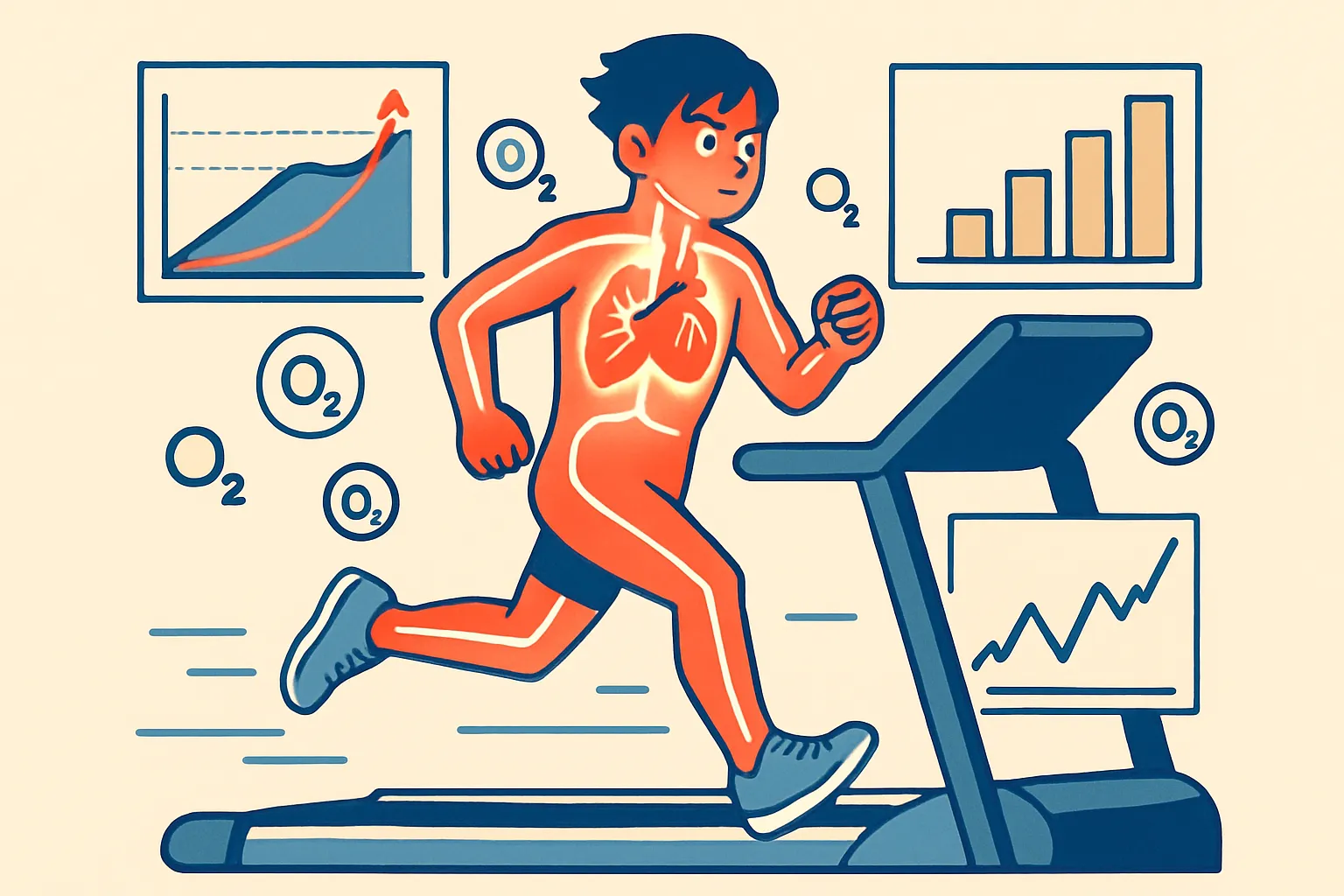
Feeling a bit overwhelmed lately? You’re not alone! Today, we’re going to learn some essential Korean phrases to talk about a topic that everyone can relate to: stress and how to deal with it. Lately in Korea, “healing” (힐링) and wellness have become huge trends. Instead of just working hard, people are focusing on healthy ways to relax and recharge. One of the most popular ways is through exercise! So, let’s learn how to recommend a good workout to a friend who needs to de-stress.
Core Expressions You Need to Know
Here are some key phrases that will make you sound like a natural when talking about exercise and stress relief.
1. 스트레스 풀다 (To relieve stress)
- Pronunciation [Romanization]: Seuteureseu pulda
- English Meaning: To relieve/release stress
- Detailed Explanation: This is the most common and natural way to say “to relieve stress.” The verb 풀다 (pulda) literally means “to untie” or “to solve.” Imagine your stress is a tight knot, and you’re untying it. You can use this phrase for any stress-relieving activity, not just exercise! (e.g., 노래방 가서 스트레스 풀자! – Let’s go to karaoke and relieve stress!)
- 💡 Pronunciation Tip: The Korean vowel ‘으’ (eu) in 스트레스 can be tricky. It doesn’t exist in English! To make this sound, start to say “ooh” but spread your lips wide as if you’re smiling. It’s a flat sound made in the back of your throat. For 풀다 (pulda), the ‘ㅍ’ (p) is an aspirated sound. It should come out with a strong puff of air, like the ‘p’ in “pine.”
2. 운동을 추천하다 (To recommend an exercise)
- Pronunciation [Romanization]: Undong-eul chucheonhada
- English Meaning: To recommend an exercise/workout
- Detailed Explanation: 추천하다 (chucheonhada) is a super useful verb that means “to recommend.” You can use it for anything: food, movies, books, and of course, exercise! 운동 (undong) means exercise, and 을 (eul) is an object-marking particle attached to nouns that end in a consonant.
- 💡 Pronunciation Tip: The ‘ㅊ’ (ch) in 추천하다 is another aspirated sound. It’s stronger and more airy than the ‘ㅈ’ (j) sound. Think of the “ch” in “charge!” Also, notice the ‘ㅇ’ at the end of 운동 (undong). When ‘ㅇ’ is the final consonant of a syllable block, it’s always pronounced as “ng,” like the end of the word “singing.”
3. ~는 게 어때요? (How about doing ~?)
- Pronunciation [Romanization]: ~neun ge eottaeyo?
- English Meaning: How about doing ~? / What do you think about doing ~?
- Detailed Explanation: This is a fantastic grammar pattern for making friendly and polite suggestions. Simply take a verb stem (like 가다 -> 가, 먹다 -> 먹) and add ~는 게 어때요?. It’s much softer and more natural than a direct command.
- 💡 Pronunciation Tip: The key sound here is in 어때요 (eottaeyo). The ‘ㄸ’ (tt) is a “tense” consonant. Unlike ‘ㄷ’ (d) or the airy ‘ㅌ’ (t), you make this sound by tightening the back of your tongue and pushing the sound out sharply with no puff of air. It sounds like the ‘t’ in the English word “stop.”
4. 땀을 흘리다 (To sweat)
- Pronunciation [Romanization]: Ttam-eul heullida
- English Meaning: To sweat
- Detailed Explanation: While “sweating” might sound a bit unpleasant in English, 땀을 흘리다 (ttam-eul heullida) is often used in a very positive way in Korea when talking about exercise. It implies you had a great, refreshing workout that cleansed your body and mind. The verb 흘리다 (heullida) means “to shed” or “to spill.”
- 💡 Pronunciation Tip: When two ‘ㄹ’ (l/r) consonants are back-to-back, like in 흘리다 (heullida), the sound becomes a clear, crisp /l/ sound, similar to the “l” in “million.” So, it’s not heurida but a smooth [heullida].
Example Conversation
Let’s see how these expressions work in a real-life chat!
A: 요즘 일이 너무 많아서 스트레스가 쌓였어요.
(Yojeum il-i neomu manaseo seuteureseuga ssayeosseoyo.)
I’m so stressed out lately because I have too much work.
B: 정말요? 그럼 스트레스 풀러 운동하는 게 어때요?
(Jeongmallyo? Geureom seuteureseu pulleo undonghaneun ge eottaeyo?)
Really? Then how about exercising to relieve your stress?
A: 좋은 생각인데, 무슨 운동이 좋을까요?
(Jo-eun saenggaginde, museun undong-i jo-eulkkayo?)
That’s a good idea, but what kind of exercise would be good?
B: 요즘 유행하는 필라테스를 추천해요! 신나게 땀을 흘리면 기분도 상쾌해질 거예요.
(Yojeum yuhaenghaneun pilateseu-reul chucheonhaeyo! Sinnage ttam-eul heullimyeon gibundo sangkwaehaejil geo-yeyo.)
I recommend Pilates, which is trendy these days! You’ll feel refreshed if you have fun and break a sweat.
Cultural Tip & Trend Analysis
In Korea, exercise is increasingly seen as a form of self-care and mental “healing” (힐링). It’s not just about physical health anymore.
- The MZ Generation’s View: For many young Koreans (the MZ Generation), exercise is a trendy lifestyle choice. You’ll see countless social media posts of people doing Pilates (필라테스), climbing (클라이밍), or hiking (등산). Hiking, in particular, has seen a huge boom among young people, who share beautiful mountain-top photos with the hashtag #등린이 (deung-rin-i), a cute word combining “hiking” and “beginner.”
- Idol Influence: K-Pop idols often talk to their fans about how they use exercise to manage their stressful schedules. When an idol says they did Pilates or went to the gym to clear their head, it reinforces the cultural idea that working out is a positive tool for mental wellness.
- Sound like a Native: When you suggest exercise to a friend, using a phrase like “땀을 흘리면 기분이 좋아질 거야” (You’ll feel better if you sweat it out) shows that you understand this positive, holistic view of exercise in modern Korean culture!
Let’s Practice!
Time to check what you’ve learned. Don’t worry, it’s easy!
- Fill in the Blank: You want to suggest that your friend watch a movie to relieve stress. How would you complete the sentence?
영화 보는 ___ _____? (Yeonghwa boneun ___ _____?)
- Make a Sentence: Using the vocabulary we learned, how would you say, “I recommend running”?
Great job today! Now you’re ready to have a conversation about stress and wellness like a pro.
What do you do to relieve stress? Try answering in Korean in the comments below using 오늘 배운 표현 (the expressions you learned today)!